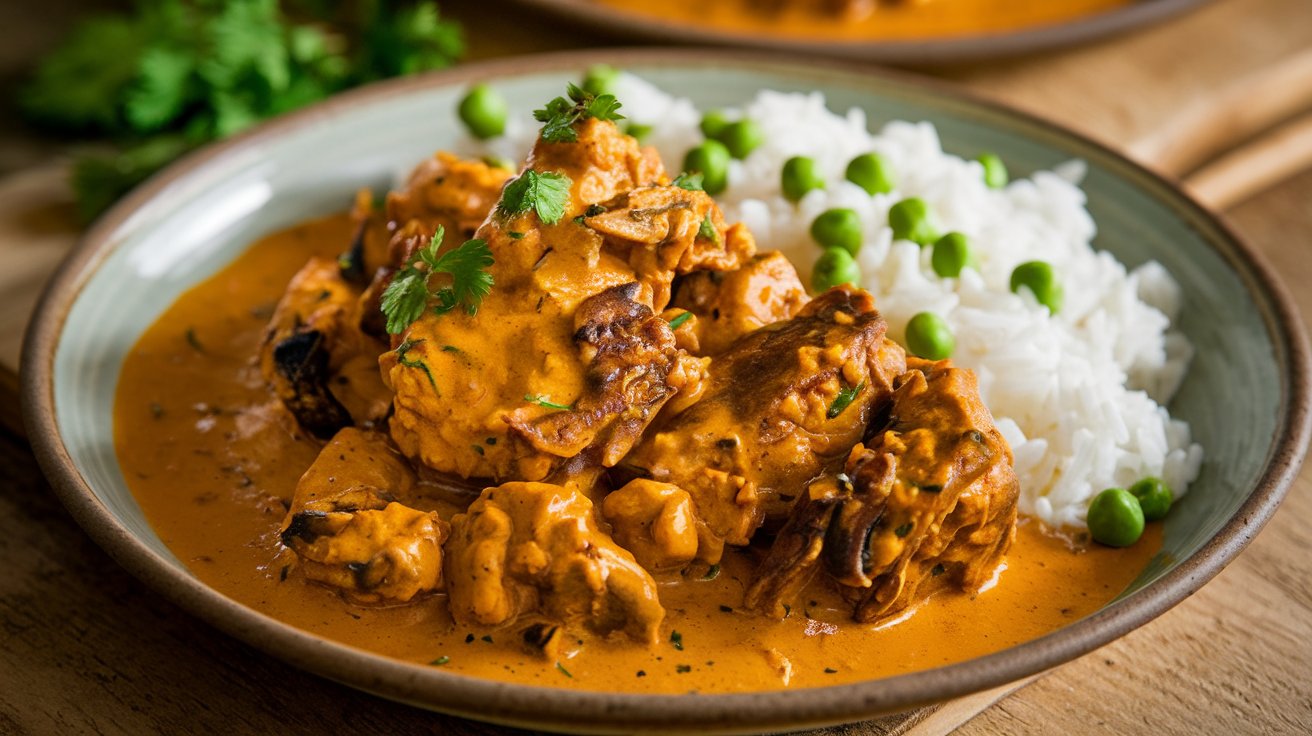
Caribbean curry goat is a beloved traditional dish featuring tender goat meat slow-cooked in aromatic curry spices, representing the heart of Jamaican and Caribbean cuisine. This flavorful dish combines African cooking techniques with Indian spices, creating a unique culinary experience that has become a staple in Caribbean households and restaurants across the United States since the 1960s immigration wave.
Understanding Caribbean Curry Goat: Origins and Cultural Significance
Caribbean curry goat originated in Jamaica during the 19th century when Indian indentured workers brought curry spices to the island. The dish evolved as Jamaican cooks adapted traditional Indian curry techniques to local ingredients, particularly goat meat which was readily available and affordable. Today, curry goat represents one of the most iconic dishes in Caribbean cuisine, served at celebrations, family gatherings, and Sunday dinners throughout the region.
The cultural significance of curry goat extends beyond mere sustenance, symbolizing community and heritage in Caribbean culture. In 2026, approximately 2.3 million Caribbean immigrants in the United States continue to prepare this dish as a way to maintain their cultural identity. The dish has also gained popularity among non-Caribbean Americans, with Caribbean restaurants reporting a 45% increase in curry goat orders over the past five years.
What Meat Is Used in Caribbean Curry Goat
Goat meat is the traditional and preferred protein for authentic Caribbean curry goat, though substitutions are common in the United States. Young goat, known as kid, provides the most tender texture and mild flavor that absorbs curry spices beautifully. The meat typically comes from goats aged 6-12 months, offering optimal tenderness and flavor balance.
In American markets where goat meat availability varies by region, many cooks substitute with lamb, beef chuck, or even chicken. However, authentic Caribbean curry goat specifically uses goat meat for its unique texture and ability to become incredibly tender when slow-cooked. Halal markets and specialty Caribbean grocers in cities with large Caribbean populations typically stock fresh goat meat year-round.
Best Cuts of Goat Meat for Curry
The shoulder and leg portions provide the ideal meat cuts for curry goat, offering the perfect balance of tenderness and flavor. These cuts contain enough connective tissue to break down during slow cooking, creating the signature tender texture. Bone-in pieces are preferred as they add richness to the curry sauce and help prevent the meat from becoming dry during the extended cooking process.
Where to Source Goat Meat in the US
Caribbean and halal markets represent the most reliable sources for fresh goat meat in American cities. Major metropolitan areas like New York, Miami, Toronto, and Los Angeles have established Caribbean grocery chains that import goat meat specifically for curry preparation. Online retailers have also expanded availability, with specialty meat suppliers offering overnight shipping to areas without local Caribbean markets.
Essential Ingredients in Authentic Caribbean Curry Goat
Jamaican curry powder forms the foundation of authentic curry goat, differing significantly from Indian curry blends through its unique spice ratios and additional seasonings. Traditional Caribbean curry powder contains turmeric, coriander, cumin, fenugreek, and allspice, creating a distinctive flavor profile that sets it apart from other curry varieties. The spice blend is typically combined with fresh thyme, scotch bonnet peppers, and garlic to create the characteristic taste.
Additional essential ingredients include coconut milk for richness, onions for sweetness, and ginger for warmth. Grace curry powder remains the most popular commercial brand among Caribbean cooks, though many families maintain their own homemade spice blends passed down through generations. The cooking process also requires patience, as authentic curry goat requires 2-3 hours of slow cooking to achieve the proper tenderness.
Traditional Spice Blend Components
The traditional spice blend for Caribbean curry includes specific proportions that create the authentic flavor profile. Turmeric provides the golden color, while coriander seeds add citrusy notes. Cumin contributes earthiness, fenugreek adds slight bitterness, and allspice provides the distinctive Caribbean touch that differentiates this curry from Indian varieties.
Fresh Aromatics and Seasonings
Fresh aromatics including thyme, garlic, ginger, and onions create the flavor base for authentic curry goat. Scotch bonnet peppers provide heat and fruity flavor, while bay leaves add depth during the slow cooking process. These fresh ingredients must be properly prepared and added at specific stages to develop the complex flavor profile characteristic of Caribbean curry.
The Art of Burning Curry: Traditional Cooking Technique
Burning the curry represents a crucial technique in authentic Caribbean curry goat preparation, involving cooking the curry powder in oil until it darkens and releases its essential oils. This process, typically taking 2-3 minutes, transforms raw curry powder into a rich, aromatic base that provides depth and complexity to the final dish. The technique requires careful attention to prevent actual burning while achieving the desired color and aroma development.
Master Caribbean cooks recognize the perfect moment when the curry powder has properly bloomed, indicated by a deep golden-brown color and intensified fragrance. This step cannot be rushed or skipped, as it fundamentally impacts the flavor development of the entire dish. The burned curry creates the foundation that allows other ingredients to build upon, resulting in the signature taste that distinguishes authentic Caribbean curry from other varieties.
Caribbean Curry vs Indian Curry: Key Differences
The primary difference between Caribbean and Indian curry lies in spice selection, cooking methods, and cultural adaptations that occurred during the Caribbean diaspora. Caribbean curry typically uses allspice and scotch bonnet peppers, ingredients native to the Caribbean, while Indian curry relies on more complex spice combinations including cardamom, cinnamon, and various regional variations. The cooking oil also differs, with Caribbean curry often using coconut oil or vegetable oil versus the ghee commonly used in Indian preparations.
Cooking techniques also vary significantly between the two styles. Caribbean curry goat employs a longer, slower cooking method designed to tenderize tough goat meat, while Indian goat curry often uses quicker cooking methods and different meat cuts. The final consistency differs as well, with Caribbean curry typically thicker and more sauce-like compared to the often drier Indian preparations.
Spice Profile Variations
Spice profiles demonstrate the most noticeable differences between Caribbean and Indian curry preparations. Caribbean curry emphasizes allspice, thyme, and scotch bonnet heat, creating a more straightforward flavor profile. Indian curry incorporates complex spice layers including garam masala, which contains cardamom, cinnamon, and cloves not typically found in Caribbean versions.
Cooking Methods and Timing
The cooking methods reflect practical adaptations to available ingredients and cooking conditions. Caribbean curry goat requires extended braising periods to tenderize goat meat, often cooking for 2-3 hours. Indian preparations may use pressure cooking or quicker methods, reflecting different meat cuts and cooking traditions developed in the Indian subcontinent.
How Caribbean Curry Goat Should Taste
Authentic curry goat delivers a complex flavor profile combining savory, spicy, and aromatic elements that create a distinctive Caribbean taste experience. The meat should be fork-tender, easily separating from the bone after proper slow cooking. The curry sauce provides a rich, golden-brown color with layers of flavor including the warmth of curry spices, heat from scotch bonnet peppers, and richness from coconut milk or cream.
The taste profile balances earthy curry flavors with the natural sweetness of onions and the brightness of fresh thyme. Heat levels vary according to scotch bonnet pepper usage, ranging from mild warmth to significant spiciness. The overall experience should be comforting and satisfying, with the curry sauce complementing rather than overwhelming the goat meat’s natural flavor.
Regional Variations: Jamaica vs Trinidad Curry Goat
Jamaican curry goat represents the most widely recognized version, featuring a drier consistency and stronger emphasis on curry powder and allspice. Jamaican preparations typically use less liquid, creating a thicker sauce that coats the meat rather than creating a soup-like consistency. The Jamaican version also commonly includes potatoes and carrots as additional vegetables.
Trinidad curry goat incorporates more Indian influences, reflecting the larger Indian population in Trinidad and Tobago. Trinidadian versions often include coconut milk for creaminess and may use different vegetable combinations. The spice blend sometimes includes more Indian-influenced seasonings while maintaining the Caribbean character through local ingredients and cooking methods.
Modern Cooking Methods: Pressure Cooker and Slow Cooker Adaptations
Pressure cooker curry goat offers time-saving benefits for busy American households while maintaining authentic flavors through proper technique adaptation. The Instant Pot method reduces cooking time from 2-3 hours to approximately 45 minutes, making curry goat accessible for weeknight dinners. The key involves properly browning the meat and burning the curry before pressure cooking to develop proper flavor foundations.
Slow cooker adaptations provide convenience while allowing traditional slow-cooking benefits that develop optimal tenderness and flavor integration. The slow cooker method requires 6-8 hours on low heat, making it ideal for preparing curry goat while at work. Both modern methods require adjustments to liquid ratios and timing but can produce authentic results when properly executed.
Serving Suggestions and Traditional Accompaniments
Traditional accompaniments for Caribbean curry goat include rice and peas, white rice, or roti bread, each providing a neutral base that complements the rich curry flavors. Rice and peas, made with kidney beans and coconut milk, offers the most authentic pairing, balancing the curry’s richness with mild coconut flavors. Plain white rice serves as a simpler alternative that allows the curry flavors to predominate.
Additional side dishes commonly include fried plantains for sweetness, coleslaw for cooling contrast, and festival or Johnny cakes for additional starch. Many Caribbean households also serve curry goat alongside other traditional dishes during special occasions, creating a comprehensive Caribbean meal experience that celebrates the cuisine’s diversity and flavors.
Related video about what is caribbean curry goat
This video complements the article information with a practical visual demonstration.
Essential Q&A about what is caribbean curry goat
What meat is used in Caribbean curry goats?
Traditional Caribbean curry goat uses young goat meat, typically from goats aged 6-12 months for optimal tenderness. Shoulder and leg cuts work best due to their connective tissue content. In the US, lamb, beef chuck, or chicken are common substitutes when goat meat is unavailable.
Why do Jamaicans call it curry goat?
Jamaicans call it curry goat because the dish specifically features goat meat as the primary protein, distinguishing it from other curry preparations. The name reflects the traditional use of goat meat, which was readily available and affordable in Jamaica when the dish developed in the 19th century.
What’s the difference between Indian curry and Caribbean curry?
Caribbean curry differs from Indian curry through spice selection and cooking methods. Caribbean curry uses allspice, thyme, and scotch bonnet peppers, while Indian curry employs complex spice blends like garam masala. Caribbean versions also use longer cooking times and different oil types.
What is curry goat supposed to taste like?
Authentic curry goat should taste rich and aromatic with tender, fork-soft meat that easily separates from the bone. The flavor combines earthy curry spices, scotch bonnet heat, onion sweetness, and fresh thyme brightness. The golden-brown sauce should coat the meat without being overly saucy.
How long does it take to cook Caribbean curry goat?
Traditional Caribbean curry goat requires 2-3 hours of slow cooking on the stovetop to achieve proper tenderness. Pressure cooker methods reduce this to 45 minutes, while slow cookers need 6-8 hours on low heat. The extended cooking time is essential for breaking down tough goat meat.
Can I make curry goat without goat meat?
Yes, you can substitute goat meat with lamb, beef chuck roast, or chicken while maintaining authentic flavors through proper spice preparation and cooking techniques. Lamb provides the closest flavor profile to goat meat, though cooking times may need adjustment based on the substitute protein chosen.
| Key Aspect | Important Details | Benefit |
|---|---|---|
| Authentic Goat Meat | Young goat aged 6-12 months, shoulder/leg cuts | Superior tenderness and authentic flavor |
| Curry Burning Technique | Cook curry powder in oil 2-3 minutes until golden | Develops deep, complex flavor foundation |
| Slow Cooking Method | 2-3 hours traditional stovetop cooking | Breaks down tough connective tissue |
| Caribbean Spice Blend | Allspice, thyme, scotch bonnet peppers | Creates distinctive Caribbean flavor profile |