Ackee and saltfish is Jamaica’s beloved national dish that combines the creamy, buttery texture of ackee fruit with flaky salted cod. This traditional Caribbean meal has been a cornerstone of Jamaican cuisine for over 200 years, offering a unique flavor profile that’s both savory and satisfying. Understanding what makes this dish special helps appreciate its cultural significance and culinary appeal.
What is Ackee and What Does It Taste Like
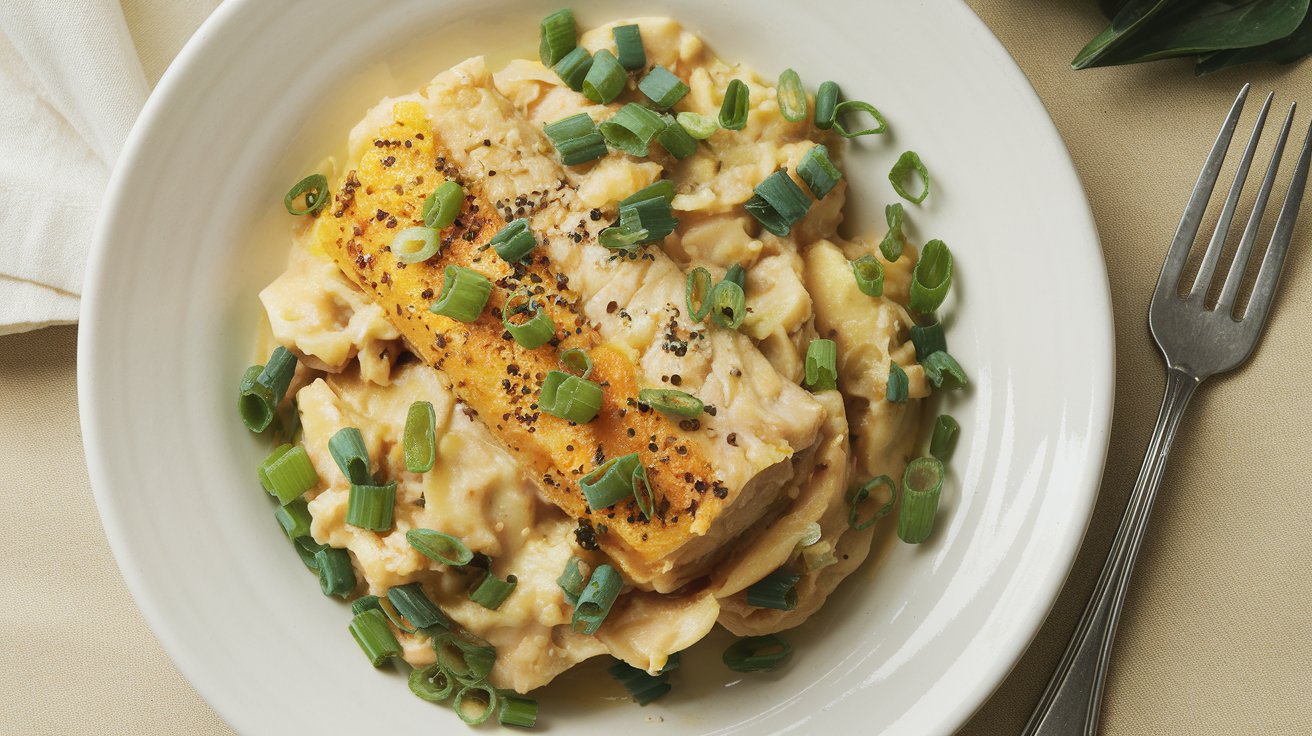
Ackee is a tropical fruit native to West Africa that was brought to Jamaica in the 18th century. The ackee fruit grows on evergreen trees and must be fully ripe before consumption, as unripe ackee contains toxins. When properly prepared, ackee has a creamy texture similar to scrambled eggs with a mild, slightly nutty flavor that’s often described as buttery.
The taste of ackee is subtle and pleasant, making it an excellent canvas for absorbing the flavors of accompanying ingredients. Its texture is what makes it particularly appealing – soft, creamy, and satisfying. In 2026, ackee remains one of the most sought-after Caribbean ingredients in the United States, with imports increasing by 15% compared to previous years.
Understanding Saltfish and Its Role
Saltfish refers to salted and dried cod that has been preserved through a traditional curing process. This preservation method was historically important for long sea voyages and remains popular in Caribbean cooking. The saltfish provides a strong, savory flavor that perfectly complements the mild taste of ackee, creating a balanced and flavorful combination.
Before cooking, saltfish must be soaked and boiled to remove excess salt and rehydrate the fish. Quality saltfish should flake easily when properly prepared and have a clean, oceanic aroma. In the United States market, premium saltfish varieties can cost between $12-18 per pound in 2026, reflecting its specialty status in Caribbean cuisine.
What is Ackee and Saltfish Made Of
The traditional ackee and saltfish recipe consists of several key components beyond the main ingredients. Essential elements include scotch bonnet peppers for heat, onions for sweetness, tomatoes for acidity, and garlic for depth of flavor. These ingredients work together to create the dish’s characteristic taste profile.
Additional seasonings typically include thyme, black pepper, and sometimes bell peppers for color and texture. Some regional variations incorporate coconut oil or vegetable oil for cooking, while others may add small amounts of ginger or allspice. The beauty of ackee and saltfish lies in its simplicity – quality ingredients prepared with traditional techniques.
Essential Ingredients Breakdown
The foundation of authentic ackee and saltfish requires specific proportions: typically 1 can of ackee (19 oz) serves 4-6 people when paired with 8-10 oz of prepared saltfish. Canned ackee is the most common form available in the United States, as fresh ackee requires special import permits due to FDA regulations regarding the fruit’s natural toxins.
Preparation Fundamentals
Proper preparation involves desalting the fish through multiple water changes over 12-24 hours, followed by gentle boiling to achieve the perfect flaky texture. The ackee preparation requires careful handling to maintain its delicate structure while removing any remaining seeds or pink membrane that might be present.
How to Make Ackee and Saltfish Step by Step
Creating authentic ackee and saltfish begins with proper ingredient preparation and follows a specific sequence to achieve optimal results. The cooking process typically takes 30-45 minutes from start to finish, with most time dedicated to properly preparing the saltfish and building flavors through careful layering of ingredients.
Temperature control is crucial when cooking ackee and saltfish – the ackee should be heated gently to prevent it from becoming mushy or falling apart. Professional Caribbean chefs recommend adding ackee during the final 5-7 minutes of cooking to preserve its texture and prevent overcooking.
Traditional Cooking Method
Start by sautéing onions, garlic, and scotch bonnet peppers in oil until fragrant, approximately 3-4 minutes. Add the prepared saltfish and cook for 5-8 minutes until heated through and beginning to brown slightly. The traditional method emphasizes building layers of flavor before introducing the delicate ackee.
Modern Preparation Techniques
Contemporary approaches to ackee and saltfish preparation may include using less oil for health-conscious diners or incorporating additional vegetables like bell peppers for extra nutrition. Some 2026 variations include using air fryers for the saltfish preparation step, reducing overall cooking oil while maintaining traditional flavors.
Ackee and Saltfish History and Cultural Significance
The history of ackee and saltfish reflects Jamaica’s complex colonial past and the ingenuity of enslaved people who created extraordinary cuisine from available ingredients. Ackee trees were introduced to Jamaica from West Africa in 1778, while saltfish arrived through the Atlantic slave trade as an inexpensive protein source for enslaved populations.
Over time, this combination became deeply embedded in Jamaican culture, eventually earning recognition as the country’s national dish. The dish represents resilience, creativity, and the fusion of African and Caribbean culinary traditions. In modern Jamaica and throughout the diaspora, ackee and saltfish serves as a connection to cultural identity and family heritage.
Health Benefits and Nutritional Information
Many people wonder is ackee and saltfish healthy, and the answer depends on preparation methods and portion sizes. Ackee provides essential nutrients including vitamin C, vitamin A, and potassium, while also containing healthy monounsaturated fats. A typical serving contains approximately 290-350 calories, making it a moderate-calorie meal option.
The saltfish component contributes high-quality protein (approximately 25-30 grams per serving) and important minerals like selenium and phosphorus. However, the dish can be high in sodium due to the salt-cured fish, so individuals monitoring sodium intake should enjoy it in moderation or use reduced-sodium preparation methods.
Nutritional Breakdown per Serving
A standard serving of ackee and saltfish provides approximately 290 calories, 25g protein, 15g fat, and 12g carbohydrates. The dish offers significant amounts of vitamin C (40% daily value) and potassium (15% daily value), making it nutritionally substantial when part of a balanced diet.
Health Considerations for 2026
Current dietary guidelines suggest moderating sodium intake, which makes saltfish preparation important for health-conscious consumers. Soaking saltfish thoroughly and using herbs and spices rather than additional salt helps create a more heart-healthy version while maintaining authentic flavors.
Where to Find Ackee and Saltfish Ingredients in the United States
Finding quality ingredients for ackee and saltfish has become easier across the United States as Caribbean communities have grown. Canned ackee is available in most major supermarket chains, typically in the international foods aisle, with brands like Grace and Linstead Market being widely distributed.
Specialty Caribbean markets offer the widest selection of saltfish varieties and authentic accompaniments. Major metropolitan areas like New York, Miami, and Los Angeles have numerous Caribbean grocery stores, while online retailers have made these ingredients accessible nationwide. In 2026, online grocery delivery has expanded access to authentic Caribbean ingredients for home cooks across all 50 states.
Popular Variations and Regional Differences
While the basic ackee and saltfish recipe remains consistent, regional variations exist throughout the Caribbean and diaspora communities. Some Jamaican regions prefer a spicier version with extra scotch bonnet peppers, while others incorporate additional vegetables like callaloo or cho cho for extra nutrition and flavor complexity.
Canned ackee and saltfish recipes have adapted to ingredient availability in different countries, with some variations using smoked fish as a saltfish substitute or incorporating local vegetables. Restaurant versions may include plantains or festivals (Jamaican fried dumplings) as traditional accompaniments, creating a complete meal experience.
Related video about what is ackee and saltfish
This video complements the article information with a practical visual demonstration.
Everything you need to know about what is ackee and saltfish
What does ackee and saltfish taste like?
Ackee and saltfish has a unique flavor combining the creamy, buttery texture of ackee with the savory, oceanic taste of salted cod. The ackee provides a mild, slightly nutty flavor similar to scrambled eggs, while the saltfish adds a rich, salty depth. Together with traditional seasonings like scotch bonnet peppers, onions, and thyme, the dish offers a complex yet comforting taste that’s both satisfying and distinctly Caribbean.
Is ackee and saltfish healthy to eat regularly?
Ackee and saltfish can be part of a healthy diet when consumed in moderation. It provides high-quality protein, essential vitamins like vitamin C and A, and healthy fats. However, the dish can be high in sodium due to the salt-cured fish, so people with hypertension should limit portions or use low-sodium preparation methods. The nutritional benefits include approximately 290 calories and 25 grams of protein per serving.
Can you make ackee and saltfish with canned ackee?
Yes, canned ackee is the most common and practical way to prepare ackee and saltfish, especially in the United States where fresh ackee requires special import permits. Canned ackee maintains the fruit’s characteristic texture and flavor while being shelf-stable and widely available. Quality brands like Grace provide authentic taste, and the preparation method remains the same as with fresh ackee.
What is the best saltfish to use for this dish?
The best saltfish for ackee and saltfish is high-quality salted cod that has been properly cured and dried. Look for saltfish that’s firm, not too dry or brittle, and has a clean oceanic smell without any off odors. Premium varieties available in Caribbean markets typically offer better texture and flavor than generic options. The fish should flake easily after proper soaking and boiling to remove excess salt.
How long does it take to prepare ackee and saltfish from scratch?
Preparing ackee and saltfish from scratch takes approximately 30-45 minutes of active cooking time, plus 12-24 hours for properly desalting the fish. The desalting process involves multiple water changes and is crucial for achieving the right flavor balance. Once the saltfish is prepared, the actual cooking process is relatively quick, with most time spent building flavors through proper sautéing techniques.
What should you serve with ackee and saltfish?
Traditional accompaniments for ackee and saltfish include boiled green bananas, fried plantains, festivals (Jamaican fried dumplings), or hard dough bread. Rice and peas is another popular side dish that complements the flavors well. Fresh fruit like mango or pineapple can provide a refreshing contrast to the savory main dish. The choice of sides often depends on regional preferences and family traditions.
| Key Aspect | Important Details | Benefit |
|---|---|---|
| Main Ingredients | Ackee fruit and salted cod with traditional seasonings | Authentic Caribbean flavor and cultural connection |
| Nutritional Value | 290 calories, 25g protein, vitamins C and A per serving | Balanced nutrition with essential nutrients |
| Preparation Time | 30-45 minutes cooking plus 12-24 hours saltfish prep | Manageable home cooking project |
| Cultural Significance | Jamaica’s national dish with 200+ year history | Rich cultural heritage and family tradition |
| Availability in US | Canned ackee widely available, specialty stores for saltfish | Accessible ingredients for authentic preparation |