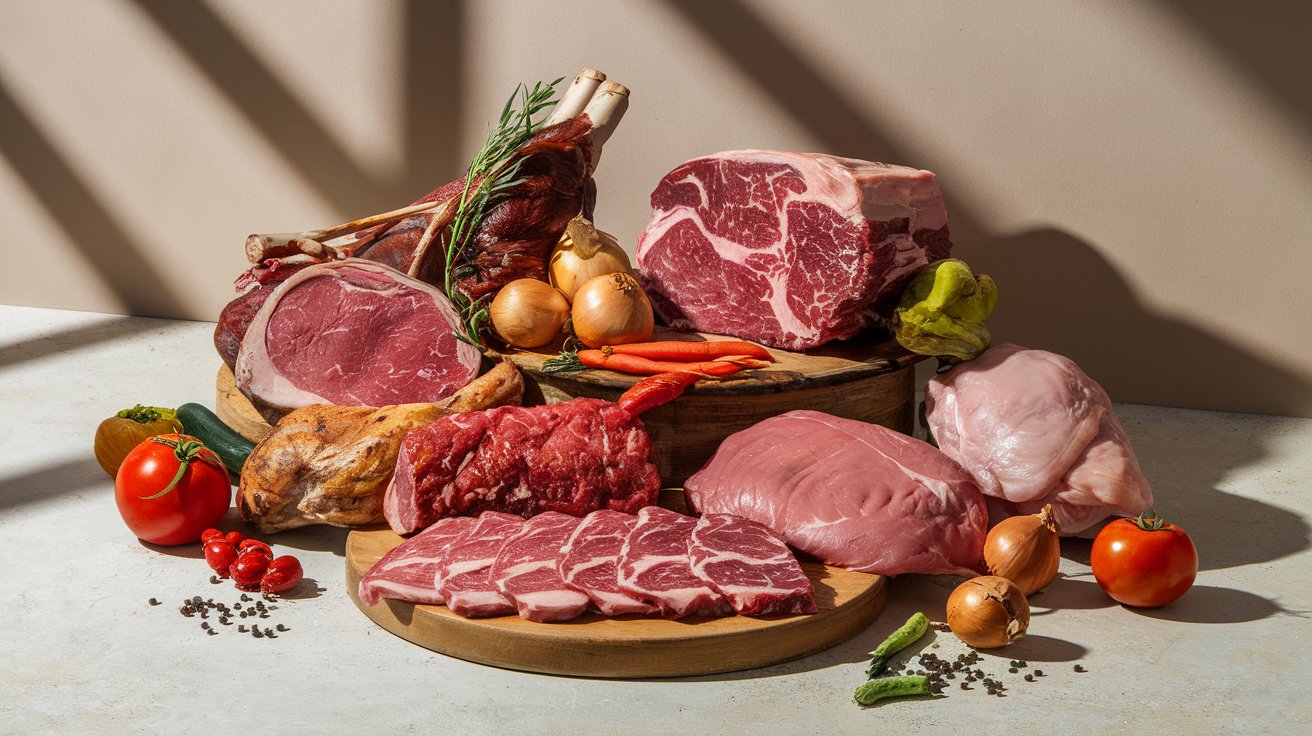
Caribbean food is not automatically halal and requires careful consideration of ingredients and preparation methods. While many traditional Caribbean dishes use halal ingredients like vegetables, rice, and seafood, the presence of pork and alcohol-based marinades makes verification essential for Muslims. Understanding which Caribbean foods are halal-friendly helps Muslim consumers make informed dining choices.
Understanding Halal Requirements in Caribbean Cuisine
Caribbean cuisine poses unique challenges for Muslim dietary requirements due to its diverse cultural influences from African, European, and indigenous traditions. The key concern is that many traditional Caribbean recipes incorporate pork products and alcohol-based marinades, which are strictly forbidden in Islamic dietary law. Additionally, cross-contamination during cooking and the use of non-halal certified meat sources can affect the halal status of otherwise permissible ingredients.
However, many base ingredients in Caribbean cooking are naturally halal-friendly, including rice, beans, plantains, coconut, and various spices. The challenge lies in identifying dishes that avoid prohibited ingredients and ensuring proper preparation methods. Muslims can enjoy Caribbean flavors by choosing carefully prepared dishes or visiting certified halal Caribbean restaurants that follow Islamic dietary guidelines.
Common Non-Halal Ingredients in Caribbean Food
The most problematic ingredients in Caribbean cuisine include pork products such as bacon, ham, and salt pork, which are frequently used for flavoring in traditional dishes like rice and peas or callaloo. Alcoholic beverages like rum and beer are also commonly used in marinades and cooking sauces. Additionally, some Caribbean dishes use non-halal meat that hasn’t been slaughtered according to Islamic guidelines, making verification of meat sources crucial for Muslim consumers.
Naturally Halal Caribbean Ingredients
Many staple Caribbean ingredients are inherently halal and permissible for Muslim consumption. These include tropical fruits like mangoes and papayas, vegetables such as okra and cassava, grains like rice and cornmeal, and legumes including black beans and pigeon peas. Seafood options like fish, shrimp, and lobster are also generally acceptable, though preparation methods must still be considered to ensure no cross-contamination with prohibited ingredients.
Can Muslims Eat Jamaican Food Safely?
Muslims can eat Jamaican food with proper precautions and ingredient verification. Traditional Jamaican cuisine includes many dishes that can be prepared in halal-compliant ways, such as rice and peas (when made without pork), ackee and saltfish, and various vegetarian curries. The key is ensuring that halal-certified meat is used and that cooking surfaces and utensils haven’t been contaminated with prohibited ingredients.
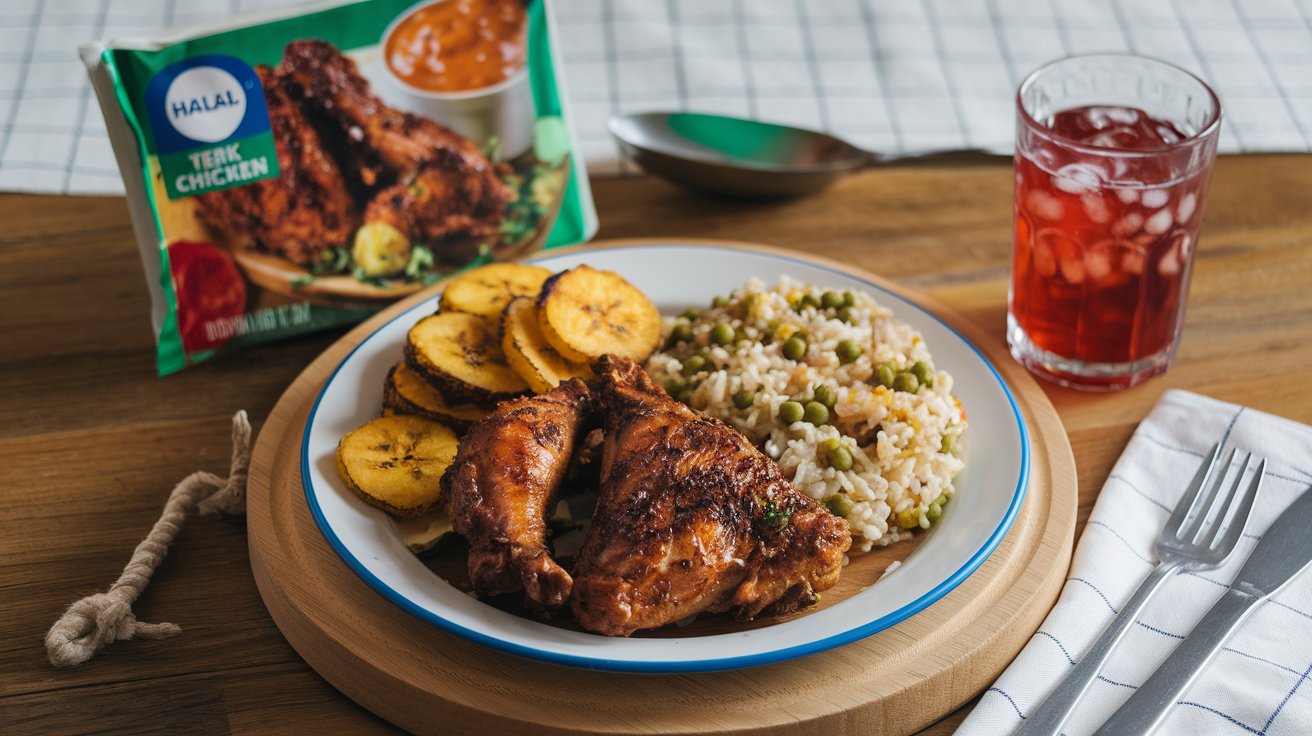
Popular Jamaican dishes like jerk chicken can be halal when prepared with certified halal chicken and alcohol-free marinades. Many Jamaican restaurants in the United States now offer halal options to serve their Muslim customers, particularly in areas with significant Muslim populations. It’s essential to communicate dietary restrictions clearly and ask about ingredient sourcing and preparation methods when dining out.
Halal Jamaican Dishes to Look For
Safe Jamaican options for Muslims include vegetarian curry dishes made with potatoes, chickpeas, or vegetables, steamed fish preparations without alcohol-based seasonings, and rice dishes prepared without pork products. Ackee and saltfish can be halal when properly prepared, and many traditional Jamaican soups like mannish water can be made halal by using halal-certified goat meat and avoiding prohibited seasonings.
Jamaican Dishes to Avoid
Muslims should avoid traditional Jamaican dishes that commonly contain pork or alcohol, including rice and peas made with salt pork, curry goat from non-halal sources, and any dishes marinated with rum or beer. Oxtail stew may also be problematic if the meat isn’t from a halal-certified source. Always inquire about cooking methods and ingredient sources before ordering these potentially problematic dishes.
Finding Halal Caribbean Restaurants in the United States
The availability of halal Caribbean restaurants has significantly increased across the United States, particularly in metropolitan areas with diverse populations. Cities like New York, Toronto, Miami, and Los Angeles offer numerous options for Muslims seeking authentic Caribbean flavors prepared according to Islamic dietary guidelines. These establishments often feature certified halal meat and alcohol-free preparation methods while maintaining traditional Caribbean taste profiles.
Many halal Caribbean restaurants prominently display their halal certification and are transparent about their sourcing and preparation methods. Some establishments specialize specifically in halal Jamaican cuisine, offering popular dishes like halal jerk chicken, curry goat, and traditional sides prepared without prohibited ingredients. Online directories and Muslim community resources help locate verified halal Caribbean dining options in various cities across the United States.
Popular Halal Caribbean Restaurant Chains
Several restaurant chains now offer halal Caribbean options across multiple locations in the United States. These establishments have adapted traditional recipes to meet halal requirements while preserving authentic flavors. Many feature extensive menus with clearly marked halal options and provide detailed ingredient information to help Muslim customers make informed choices about their Caribbean dining experience.
Verifying Halal Certification
When choosing a Caribbean restaurant, Muslims should look for proper halal certification from recognized Islamic organizations. Reputable establishments display certificates prominently and can provide information about their certifying bodies. Additionally, asking about meat sources, cooking equipment separation, and preparation methods helps ensure that the halal standards meet individual religious requirements and comfort levels.
Does Caribbean Food Have Pork?
Yes, pork is commonly used in traditional Caribbean cooking across many island cultures. Salt pork, bacon, and ham frequently appear as flavoring agents in rice dishes, stews, and vegetable preparations. This widespread use of pork products makes it essential for Muslims to inquire about ingredients when ordering Caribbean food, as even seemingly vegetarian dishes may contain pork-based seasonings or cooking liquids.
The historical influence of European colonization introduced pork as a staple protein in Caribbean cuisine, and it remains deeply embedded in traditional recipes. However, modern Caribbean restaurants increasingly offer pork-free alternatives to accommodate Muslim diners and health-conscious customers. Many establishments now use alternative proteins or omit pork entirely from certain dishes while maintaining authentic flavors through careful spice combinations.
Halal Caribbean Food Options by City
Major United States cities offer varying levels of halal Caribbean dining options, with some metropolitan areas providing extensive choices for Muslim consumers. New York City leads in variety with dozens of certified halal Caribbean restaurants, particularly in Brooklyn and Queens. Miami’s large Caribbean population supports numerous halal-friendly establishments, while cities like Atlanta, Houston, and Philadelphia continue expanding their halal Caribbean restaurant offerings.
Smaller cities with significant Muslim populations often feature at least one or two halal Caribbean options, though selection may be limited compared to major metropolitan areas. Online resources and mobile apps help locate nearby halal Caribbean restaurants and provide reviews from Muslim diners. Many cities also host Caribbean food festivals with halal vendors, providing opportunities to sample diverse halal Caribbean cuisines from multiple cultures and islands.
East Coast Halal Caribbean Hotspots
The East Coast offers the highest concentration of halal Caribbean restaurants in the United States, with New York, Boston, and Miami leading in both quantity and quality. These cities benefit from large Caribbean immigrant populations and established Muslim communities, creating demand for authentic yet halal-compliant Caribbean cuisine. Many East Coast establishments have been serving halal Caribbean food for decades and have perfected recipes that satisfy both cultural authenticity and religious dietary requirements.
West Coast and Southern Options
West Coast cities like Los Angeles and San Francisco offer growing selections of halal Caribbean restaurants, often fusion-style establishments that blend Caribbean flavors with other cuisines. Southern cities with significant Caribbean populations, such as Atlanta and Orlando, provide authentic options with proper halal certification. These regions show increasing awareness of Muslim dietary needs and continue expanding their halal Caribbean dining landscapes.
Cooking Halal Caribbean Food at Home
Preparing halal Caribbean food at home allows complete control over ingredients and preparation methods, ensuring compliance with Islamic dietary laws. Many traditional Caribbean recipes can be easily adapted by substituting halal-certified meats and eliminating alcohol-based marinades. Home cooking also enables experimentation with authentic Caribbean spices and techniques while maintaining halal standards through careful ingredient selection and preparation.
Essential ingredients for halal Caribbean home cooking include certified halal meats, traditional spice blends like jerk seasoning (alcohol-free versions), scotch bonnet peppers, and coconut products. Many online retailers and specialty stores now carry halal-certified Caribbean ingredients, making it easier than ever to create authentic dishes at home. Recipe modifications often involve simple substitutions that preserve traditional Caribbean flavors while meeting religious dietary requirements.
Related video about is caribbean food usually halal
This video complements the article information with a practical visual demonstration.
What you should know
Can Muslims eat Jamaican food?
Yes, Muslims can eat Jamaican food with proper precautions. Many Jamaican dishes can be prepared halal by using certified halal meat, avoiding pork products, and eliminating alcohol-based marinades. Vegetarian Jamaican dishes and properly prepared seafood options are generally safe for Muslim consumption.
Does Caribbean food have pork?
Yes, pork is commonly used in traditional Caribbean cuisine as salt pork, bacon, or ham for flavoring rice dishes, stews, and vegetables. Muslims should always inquire about ingredients, as even seemingly vegetarian dishes may contain pork-based seasonings or cooking liquids.
Where can I find halal Caribbean food near me?
Halal Caribbean restaurants are increasingly available in major US cities, particularly in areas with large Muslim or Caribbean populations. Use online directories, mobile apps, and local Muslim community resources to locate certified halal Caribbean dining options in your area.
Is jerk chicken halal?
Jerk chicken can be halal when prepared with certified halal chicken and alcohol-free marinades. Many halal Caribbean restaurants offer jerk chicken using traditional spice blends without rum or beer. Always verify the meat source and marinade ingredients before ordering.
What Caribbean dishes are naturally halal?
Naturally halal Caribbean dishes include rice and beans (without pork), vegetarian curries, ackee and saltfish, steamed fish preparations, and dishes made with tropical fruits and vegetables. These dishes use inherently permissible ingredients and can be safely consumed by Muslims when properly prepared.
How do I verify if a Caribbean restaurant is halal?
Look for displayed halal certification from recognized Islamic organizations, ask about meat sources and preparation methods, inquire about cooking equipment separation, and communicate your dietary restrictions clearly. Reputable halal establishments are transparent about their certification and preparation processes.
| Key Aspect | Important Details | Muslim Consumer Benefit |
|---|---|---|
| Ingredient Verification | Check for pork products and alcohol in marinades | Ensures compliance with Islamic dietary laws |
| Halal Certification | Look for recognized Islamic organization certificates | Provides confidence in restaurant standards |
| Home Cooking | Control over all ingredients and preparation methods | Complete assurance of halal compliance |
| Restaurant Selection | Growing availability in major US cities | Access to authentic halal Caribbean cuisine |