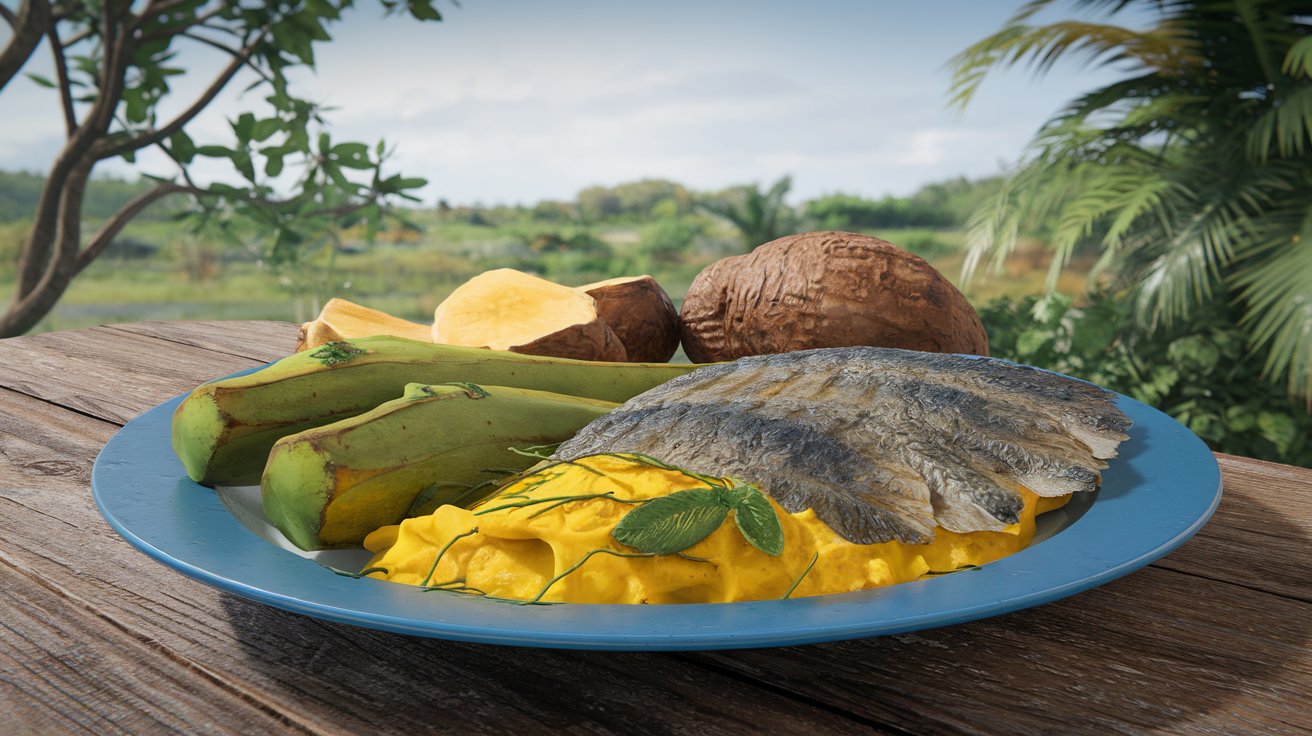
Jamaica’s national dish is ackee and saltfish, a beloved Caribbean meal that represents the island’s rich culinary heritage and cultural identity. This distinctive combination of the ackee fruit and preserved cod has been Jamaica’s most famous food for generations, embodying the fusion of African, indigenous, and European influences that define Jamaican cuisine.
Understanding Jamaica’s National Dish: Ackee and Saltfish
Ackee and saltfish stands as Jamaica’s official national dish, representing more than just a meal but a cultural symbol of the island’s identity. This unique combination features the native ackee fruit paired with salted codfish, creating a harmonious blend that has satisfied Jamaican palates for centuries. The dish gained its national status due to its widespread popularity across all social classes and its deep connection to Jamaican history and traditions.
The preparation of ackee and saltfish requires careful attention to detail, as the ackee fruit must be properly ripened and prepared to ensure safety. When cooked correctly, the dish offers a creamy, slightly buttery texture from the ackee combined with the savory, flaky saltfish. This beloved meal is typically served with rice and peas, fried plantains, or bammy, making it a complete and satisfying dining experience that represents authentic Jamaican cuisine.
What Does Ackee Taste Like
The ackee fruit has a unique flavor profile that often surprises first-time tasters with its mild, creamy taste reminiscent of scrambled eggs or avocado. When properly prepared, ackee offers a subtle, slightly nutty flavor with a smooth, buttery texture that absorbs the surrounding seasonings beautifully. The fruit’s neutral taste makes it an ideal partner for the bold, salty flavor of preserved cod, creating the perfect balance that defines Jamaica’s most famous food combination.
Why You Can’t Eat Raw Ackee
Raw or unripe ackee contains dangerous toxins called hypoglycin A and B, which can cause serious illness known as Jamaican vomiting sickness. The ackee fruit must naturally open on the tree and reveal its black seeds before it’s safe for consumption. Only the yellow flesh around the seeds is edible, and it must be properly boiled to eliminate any remaining toxins. This safety requirement is why ackee preparation requires knowledge and experience, making it a skill passed down through generations in Jamaican families.
The History and Cultural Significance of Ackee and Saltfish
The history of ackee and saltfish reflects Jamaica’s complex colonial past and the resilience of its people. Ackee was brought to Jamaica from West Africa in 1778 by Captain Bligh, while salted cod arrived through European trade routes as a preservation method for long sea voyages. The combination of these ingredients created a dish that sustained enslaved Africans and eventually became beloved across all segments of Jamaican society.
By the mid-20th century, ackee and saltfish had become deeply ingrained in Jamaican culture, served at breakfast tables, special occasions, and community gatherings throughout the island. The dish’s journey from survival food to national symbol demonstrates how Caribbean cuisine evolved through cultural exchange, adaptation, and the creative use of available ingredients. Today, it represents Jamaican identity both at home and in diaspora communities worldwide.
Traditional Jamaican Ackee and Saltfish Recipe
Preparing authentic ackee and saltfish requires quality ingredients and traditional techniques that have been perfected over generations. The recipe typically calls for fresh or canned ackee, salted codfish, onions, tomatoes, scotch bonnet peppers, and essential Jamaican seasonings like thyme and black pepper. The saltfish must be soaked overnight and boiled to remove excess salt, then flaked into bite-sized pieces before combining with the carefully prepared ackee.
The cooking process involves sautéing onions, tomatoes, and peppers until fragrant, then adding the flaked saltfish and gently folding in the ackee fruit to prevent breaking the delicate texture. Traditional cooks emphasize the importance of not over-stirring the ackee, as it can become mushy and lose its appealing appearance. The finished dish should have distinct pieces of both ingredients while being well-seasoned and aromatic with authentic Jamaican flavors.
Essential Ingredients for Authentic Preparation
Creating genuine ackee and saltfish requires specific ingredients that contribute to its authentic taste and texture. Fresh ackee is preferred when available, though high-quality canned ackee serves as an excellent substitute for those outside Jamaica. The saltfish should be premium salted cod, properly soaked and prepared to achieve the right saltiness level. Additional ingredients include fresh thyme, scotch bonnet peppers for heat, ripe tomatoes, onions, and traditional Jamaican seasonings that enhance the dish’s distinctive Caribbean character.
Step-by-Step Cooking Instructions
The preparation begins with soaking the saltfish overnight and boiling it to remove excess salt before flaking into manageable pieces. Heat oil in a large skillet and sauté diced onions until translucent, then add tomatoes and scotch bonnet peppers for authentic flavor. Add the prepared saltfish and cook until heated through, then carefully fold in the drained ackee with gentle movements to preserve its texture. Season with fresh thyme, black pepper, and additional spices, cooking just until the ackee is heated and all flavors are well combined.
Other Famous Traditional Jamaican Dishes
While ackee and saltfish holds the title of national dish, Jamaica boasts numerous other beloved traditional foods that showcase the island’s rich culinary diversity. These dishes reflect the same cultural fusion that created the national dish, combining African, indigenous, and European influences with locally available ingredients. Each dish tells a story of Jamaican history and represents different aspects of the island’s gastronomic heritage.
Popular traditional dishes include jerk chicken with its signature spicy marinade, curry goat that reflects Indian influences, and escovitch fish showcasing Spanish cooking techniques. These dishes, along with rice and peas, bammy, and various soups, create a comprehensive picture of authentic Jamaican cuisine that extends far beyond the famous national dish.
Jerk Chicken and Caribbean Spice Traditions
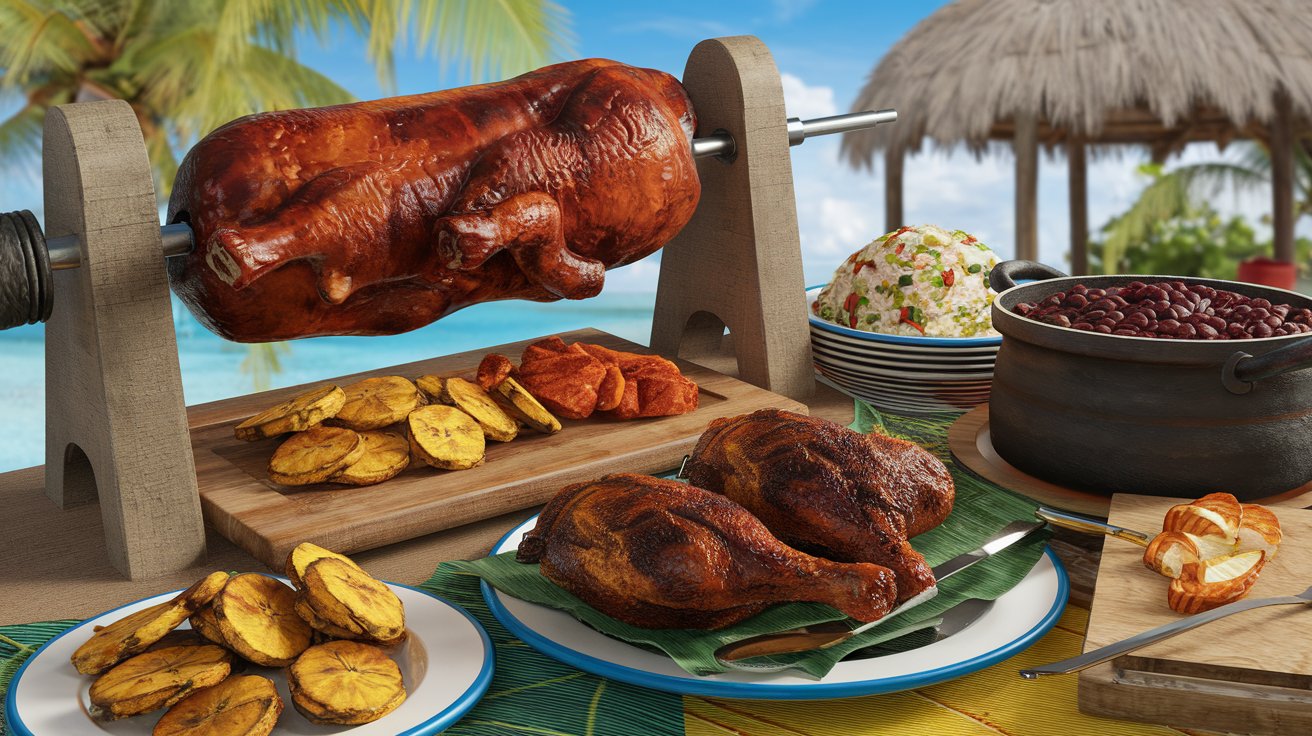
Jerk chicken represents one of Jamaica’s most internationally recognized dishes, featuring a complex spice blend that includes scotch bonnet peppers, allspice, thyme, and garlic. This cooking method originated with the Maroons and has become synonymous with Jamaican cuisine worldwide. The distinctive flavor comes from both the spice marinade and the traditional cooking method over pimento wood, creating the authentic smoky taste that makes jerk chicken famous beyond Jamaica’s shores.
Rice and Peas: The Perfect Accompaniment
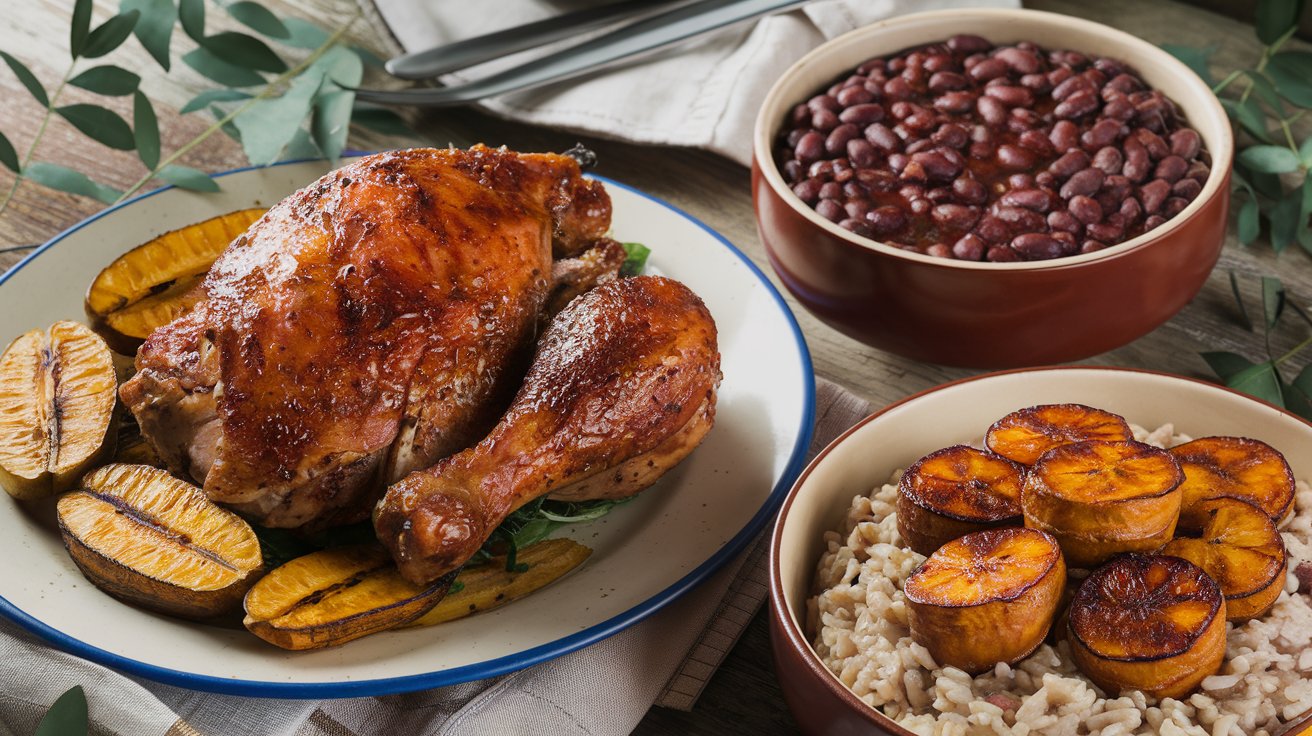
Rice and peas serves as the quintessential side dish for many Jamaican meals, including the national dish. This beloved combination features rice cooked with kidney beans (called peas in Jamaica), coconut milk, and aromatic seasonings that create a creamy, flavorful base. The dish represents the agricultural heritage of Jamaica and provides the perfect complement to protein-rich main courses like ackee and saltfish, creating balanced and satisfying meals.
Where to Find Ackee and Saltfish in America
Caribbean communities throughout the United States have made ackee and saltfish increasingly accessible to American diners interested in authentic Jamaican cuisine. Major cities with significant Caribbean populations, including New York, Miami, Atlanta, and Los Angeles, feature numerous Jamaican restaurants that serve traditional versions of the national dish. These establishments often import high-quality canned ackee and maintain authentic preparation methods.
Many Caribbean grocery stores across America stock canned ackee and salted cod, enabling home cooks to prepare Jamaica’s national dish in their own kitchens. The growing popularity of Caribbean cuisine has also led to ackee availability in some mainstream supermarkets, particularly in areas with diverse populations. Online retailers now offer convenient access to authentic ingredients, making it easier than ever for Americans to experience this iconic Jamaican dish.
Nutritional Benefits and Health Considerations
Ackee and saltfish provides several important nutritional benefits when prepared properly and consumed as part of a balanced diet. The ackee fruit contains healthy unsaturated fats, vitamin C, and various minerals that support overall health. The saltfish contributes high-quality protein and omega-3 fatty acids, though the sodium content requires consideration for those monitoring salt intake.
Health-conscious diners can modify traditional recipes to reduce sodium by thoroughly soaking and rinsing the saltfish multiple times before cooking. The dish’s nutritional profile makes it a satisfying meal that provides sustained energy, particularly when served with complex carbohydrates like rice and peas. As with any traditional dish, moderation and balance remain key to enjoying ackee and saltfish as part of a healthy eating plan.
Related video about what is the national dish of jamaica
This video complements the article information with a practical visual demonstration.
Questions & Answers
What is Jamaica’s most famous food?
Jamaica’s most famous food is ackee and saltfish, which serves as the country’s official national dish. This beloved combination of the native ackee fruit and salted codfish represents Jamaican culinary heritage and cultural identity, enjoyed by locals and visitors alike throughout the Caribbean island.
What is the national food of Jamaica called?
The national food of Jamaica is called ackee and saltfish, featuring the unique ackee fruit paired with preserved codfish. This traditional dish gained national status due to its widespread popularity across all social classes and its deep historical significance in Jamaican culture and cuisine traditions.
Can you buy ackee in American grocery stores?
Yes, canned ackee is available in many American grocery stores, particularly in areas with Caribbean communities. Caribbean specialty stores commonly stock high-quality canned ackee, and online retailers offer convenient access to authentic brands. Fresh ackee is rare in the US due to import restrictions and safety considerations.
How do you prepare saltfish for ackee and saltfish?
Prepare saltfish by soaking it overnight in cold water, then boiling for 15-20 minutes to remove excess salt. After cooling, remove any bones and skin, then flake the fish into bite-sized pieces. Some cooks repeat the soaking process to achieve the desired saltiness level before combining with ackee and seasonings.
What does authentic ackee and saltfish taste like?
Authentic ackee and saltfish offers a unique combination of creamy, mild ackee with a texture similar to scrambled eggs, paired with savory, flaky saltfish. The dish features aromatic Caribbean seasonings including thyme, scotch bonnet peppers, and onions, creating a distinctive flavor profile that represents traditional Jamaican cuisine.
Is ackee and saltfish safe to eat?
Yes, ackee and saltfish is completely safe when prepared properly using ripe ackee and quality salted cod. The ackee must be fully ripe and naturally opened, with only the yellow flesh consumed. Commercially canned ackee undergoes safety processing, making it a reliable option for home cooks unfamiliar with fresh ackee preparation.
| Key Aspect | Important Details | Cultural Benefit |
|---|---|---|
| National Dish Status | Official recognition as Jamaica’s national dish | Represents Jamaican cultural identity worldwide |
| Historical Significance | Fusion of African, European, and indigenous influences | Demonstrates cultural resilience and adaptation |
| Unique Ingredients | Native ackee fruit paired with salted codfish | Creates distinctive Caribbean culinary experience |
| Preparation Safety | Requires proper ackee ripeness and cooking techniques | Preserves traditional knowledge and cooking skills |
| Global Availability | Accessible through Caribbean restaurants and specialty stores | Connects diaspora communities to Jamaican heritage |