Halal food refers to items that are permissible under Islamic dietary laws as outlined in the Quran and Hadith. In Arabic, halal literally means “lawful” or “permitted,” and applies to all aspects of Muslim life, including food consumption. For the 3.45 million Muslims living in the United States as of 2026, understanding what halal means in food is essential for maintaining their religious dietary requirements and spiritual practices.
What Makes Food Halal: Islamic Dietary Requirements
The foundation of halal food lies in Islamic jurisprudence derived from the Quran and prophetic traditions. According to Islamic law, all food is considered halal unless specifically prohibited. The primary sources that determine halal status include explicit Quranic verses, authentic Hadith narrations, and scholarly consensus among Islamic jurists. Muslims must ensure their food meets these religious requirements to maintain their spiritual obligations.
The certification process for halal food in the United States involves rigorous inspection by qualified Islamic authorities who verify that products meet all religious requirements. As of 2026, the US halal food market is valued at approximately $26.8 billion, demonstrating the significant demand for properly certified halal food products among American Muslim consumers and non-Muslims seeking ethical food options.
Permitted Foods in Islamic Dietary Law
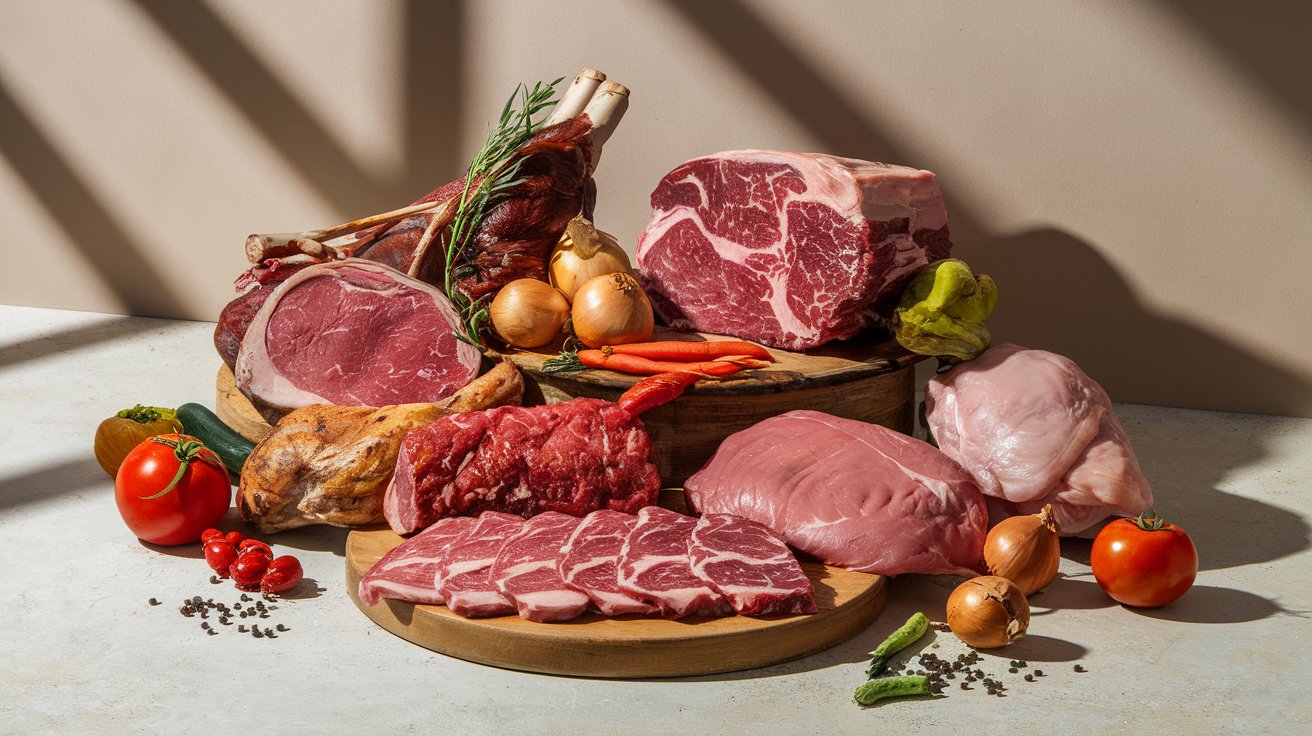
Muslims are allowed to eat a wide variety of foods including all fruits, vegetables, grains, and legumes, provided they haven’t been contaminated with prohibited substances. Seafood is generally permissible, with most Islamic scholars agreeing that all fish and shellfish are halal. Dairy products from halal animals are acceptable when processed according to Islamic guidelines. Additionally, halal meat from cattle, sheep, goats, poultry, and game animals is permitted when slaughtered using prescribed Islamic methods.
Forbidden Foods Under Islamic Law
Islamic dietary law explicitly prohibits certain foods that Muslims are not allowed to eat, including pork and all pig-derived products, alcohol and intoxicating substances, blood from any animal, and meat from animals that died naturally or were not slaughtered according to Islamic requirements. Predatory animals with fangs, birds of prey with talons, and insects (except locusts according to some schools) are also forbidden. Any food contaminated with these prohibited substances becomes haram (forbidden) for Muslim consumption.
Halal Meat Processing and Slaughter Requirements
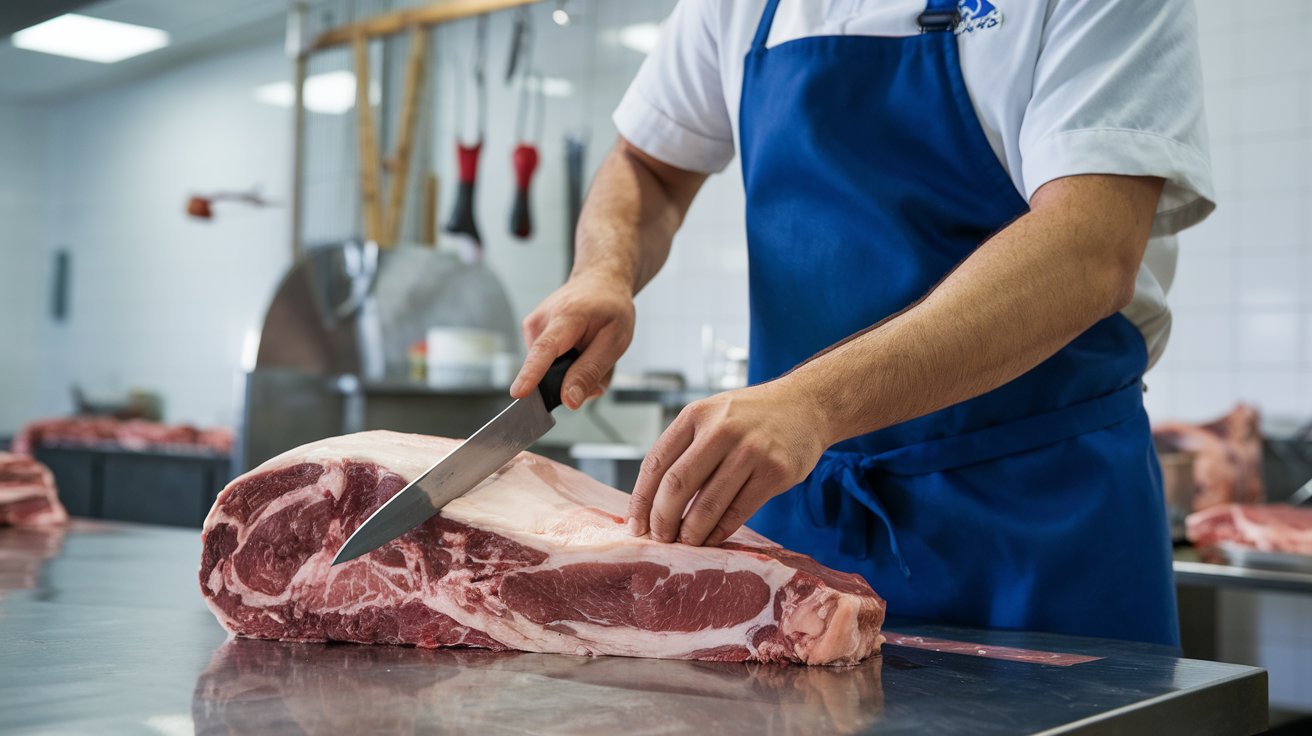
The process of producing halal meat involves specific slaughtering procedures that must be performed by a Muslim who is mentally sound and knowledgeable about Islamic requirements. The animal must be alive and healthy at the time of slaughter, and the name of Allah must be invoked before the act. The slaughter must be performed using a sharp knife to ensure quick, humane cutting of the throat, windpipe, and blood vessels while leaving the spinal cord intact.
In 2026, the difference between halal meat and regular meat extends beyond religious requirements to include animal welfare considerations that many non-Muslim consumers appreciate. Halal slaughter prohibits stunning methods that cause death before slaughter, though some Islamic authorities permit reversible stunning that merely renders the animal unconscious. The complete draining of blood is essential, as consuming blood is strictly forbidden in Islam.
Stunning Methods in Halal Processing
The question of stunning in halal slaughter remains a subject of scholarly debate among Islamic authorities in the United States. Some certification bodies permit electrical stunning or controlled atmosphere stunning (CAS) if the animal remains alive until the actual slaughter. However, other certifying organizations require slaughter without any stunning to ensure strict adherence to traditional Islamic methods. Modern halal facilities in America often employ veterinary oversight to ensure both religious compliance and animal welfare standards.
Machine Slaughter Considerations
Machine slaughter for halal meat presents unique challenges in maintaining Islamic requirements while meeting modern production demands. Most Islamic scholars require human involvement in the slaughter process, making fully automated machine slaughter problematic for halal certification. However, some mechanically-assisted methods are accepted when a qualified Muslim operator controls the process and pronounces the required invocation for each animal. This ensures that the spiritual and religious requirements of halal slaughter are maintained.
Halal Certification and Standards in America
The United States halal certification industry operates through multiple independent Islamic organizations that verify compliance with religious requirements. Major certifying bodies include the Islamic Food and Nutrition Council of America (IFANCA), the Halal Food Standards Alliance of America (HFSAA), and various local Islamic organizations. Each certification body maintains its own standards, though all follow core Islamic principles regarding permissible food production.
As of 2026, the FDA does not directly regulate halal claims, leaving certification to private Islamic organizations. However, the USDA’s Food Safety and Inspection Service works with halal certifiers to ensure that labeled products meet religious requirements. This collaborative approach helps maintain the integrity of the halal food market while protecting consumers from fraudulent labeling practices.
Difference Between Halal and Regular Food Products
The primary difference between halal food and regular food lies in the religious oversight and specific processing requirements mandated by Islamic law. While regular food production focuses mainly on safety, quality, and economic efficiency, halal food production incorporates additional spiritual and religious considerations. This includes sourcing ingredients from permissible sources, avoiding cross-contamination with forbidden substances, and ensuring that all processing equipment meets Islamic cleanliness standards.
Regular meat production may use stunning methods that cause death, employ non-Muslim slaughterhouse workers, and process pork products in the same facilities. Halal meat production prohibits these practices and requires dedicated facilities or thorough cleaning protocols to prevent contamination. The supply chain for halal products also requires careful monitoring to ensure that ingredients, additives, and processing aids comply with Islamic dietary requirements.
Halal Food for Non-Muslim Consumers
Many non-Muslim Americans choose halal food for reasons beyond religious requirements, including perceived higher quality standards, animal welfare considerations, and cleaner ingredient lists. The strict requirements for halal certification often result in products free from artificial additives, preservatives, and questionable ingredients. Additionally, the emphasis on animal welfare in halal slaughter appeals to consumers concerned about ethical food production.
Christians and other non-Muslims frequently ask whether halal food is appropriate for their consumption. From a religious perspective, most Christian denominations have no prohibition against consuming halal food, and many appreciate the ethical standards involved in halal production. The question “is halal food ok for Christians” typically receives a positive response from religious authorities, as the food itself contains no inherently problematic elements for Christian consumption.
Common Halal Food Misconceptions and Clarifications
Several misconceptions persist about halal food in American society, including the false belief that all halal food requires special religious rituals beyond slaughter. In reality, fruits, vegetables, grains, and dairy products are naturally halal unless contaminated with prohibited substances. The question “can Muslims eat bananas” exemplifies these misconceptions, as all fruits are inherently permissible under Islamic dietary law without requiring special certification.
Another common misunderstanding concerns whether halal meat is cruel to animals. Islamic slaughter methods, when performed correctly, are designed to minimize animal suffering through quick, efficient cutting that renders the animal unconscious rapidly. Many animal welfare experts acknowledge that properly executed halal slaughter can be as humane as conventional stunning methods, dispelling concerns about cruelty in halal meat production.
Halal Chicken and Poultry Processing
Halal chicken represents one of the most popular halal meat categories in the United States, with specialized processing facilities dedicated to meeting Islamic requirements. The process involves individual handling of each bird by trained Muslim workers who pronounce the required invocation before slaughter. Modern halal poultry facilities utilize advanced technology to maintain high processing speeds while ensuring religious compliance. The halal chicken meaning encompasses both the religious slaughter method and the overall processing environment that maintains Islamic standards.
Halal Food in Institutional Settings
Educational institutions, hospitals, and correctional facilities across the United States increasingly provide halal food options to accommodate Muslim dietary requirements. This accommodation reflects both religious freedom principles and the growing Muslim population in America. Institutional halal programs require careful menu planning, dedicated preparation areas, and staff training to ensure compliance with Islamic dietary laws while maintaining food safety and operational efficiency in large-scale food service operations.
Related video about what does halal mean in food
This video complements the article information with a practical visual demonstration.
Important things to know about what does halal mean in food
What makes a food halal?
Food becomes halal when it meets Islamic dietary requirements, including being from permissible sources, processed without forbidden substances, and in the case of meat, slaughtered according to Islamic law by a qualified Muslim who invokes Allah’s name. The food must also avoid contamination with prohibited items like pork or alcohol.
What is the difference between halal and regular meat?
Halal meat must be slaughtered by a Muslim using specific Islamic methods with proper invocation, while regular meat may use various slaughter techniques without religious requirements. Halal slaughter emphasizes complete blood drainage and animal welfare, while regular meat production focuses primarily on efficiency and food safety standards.
Can Muslims eat bananas?
Yes, Muslims can eat bananas and all other fruits, as they are naturally halal under Islamic dietary law. Fruits, vegetables, grains, and legumes are inherently permissible unless they have been contaminated with prohibited substances or processed using non-halal ingredients or equipment.
Is halal food ok for Christians?
Yes, halal food is generally acceptable for Christians to consume. Most Christian denominations have no religious prohibition against eating halal food, and many Christians appreciate the ethical standards and quality controls associated with halal certification. The food itself contains no elements that conflict with Christian dietary principles.
Is halal meat cruel to animals?
Properly performed halal slaughter is not considered cruel when executed by trained professionals using sharp instruments for quick, efficient cutting. Islamic law emphasizes animal welfare, requiring that animals be treated humanely before slaughter and that the slaughter method minimize suffering through rapid loss of consciousness.
What is halal food in Islam?
Halal food in Islam refers to all food and drink that is permissible under Islamic law as derived from the Quran and Hadith. This includes all plant-based foods, properly slaughtered meat from permitted animals, and dairy products, while excluding pork, alcohol, blood, and meat from improperly slaughtered animals.
| Key Aspect | Important Details | Benefit |
|---|---|---|
| Religious Compliance | Follows Quran and Hadith guidelines | Spiritual fulfillment for Muslims |
| Slaughter Method | Swift, humane cutting by trained Muslim | Minimizes animal suffering |
| Certification Process | Third-party Islamic organization verification | Ensures authenticity and quality |
| Market Value | $26.8 billion US market in 2026 | Economic opportunity and growth |
| Consumer Appeal | Attracts both Muslim and ethical consumers | Broader market reach |