Caribbean food traditions and celebrations represent a vibrant tapestry of cultural heritage that spans centuries of culinary evolution. These islands showcase a unique blend of indigenous, African, European, and Asian influences that create the distinctive flavors and festive customs we celebrate today. From traditional jerk seasoning techniques to elaborate carnival feasts, Caribbean cuisine reflects the diverse history and rich cultural identity of these tropical nations.
Indigenous Heritage and Native Caribbean Food Origins
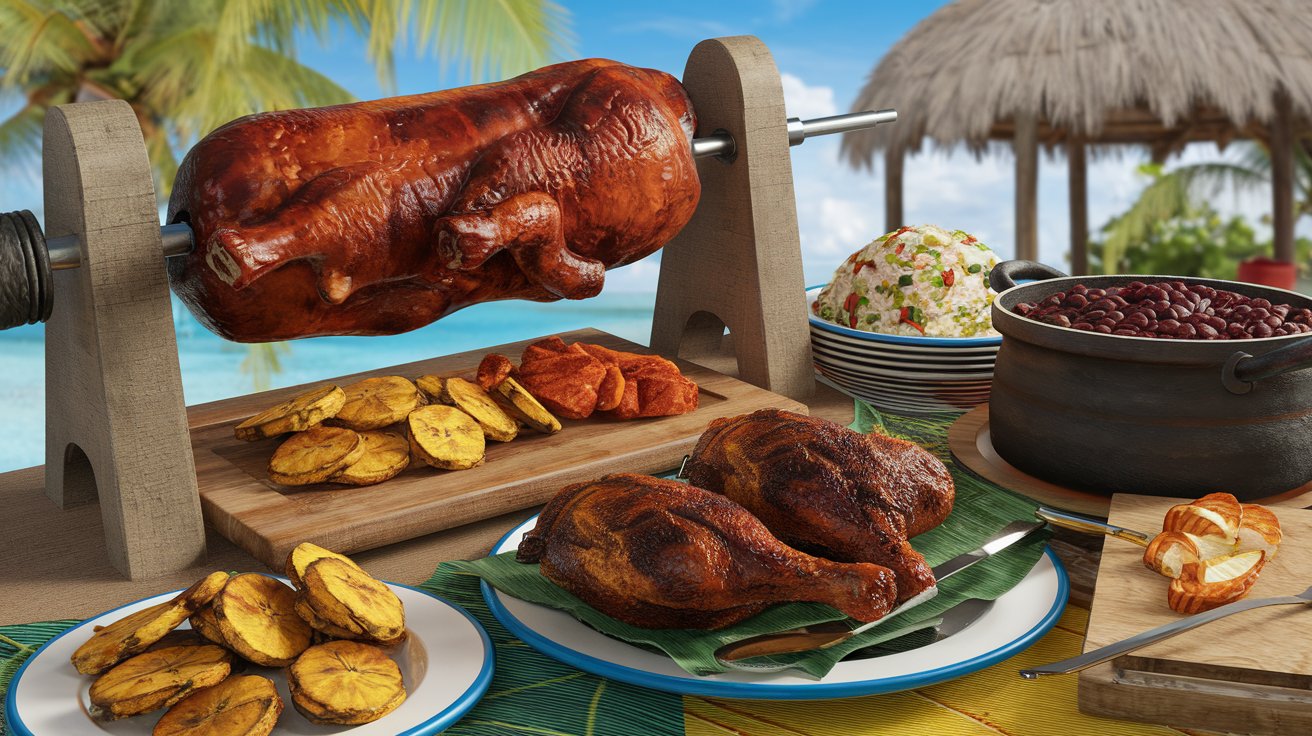
The foundation of Caribbean food traditions begins with the indigenous Taíno, Arawak, and Carib peoples who first inhabited these islands. These native populations introduced essential cooking techniques like barbacoa (barbecuing), which evolved into modern jerk cooking methods. They cultivated staples including cassava, sweet potatoes, corn, and various tropical fruits that remain central to Caribbean cuisine today.
Native Caribbean cooking methods emphasized the use of natural seasonings like allspice, hot peppers, and aromatic herbs. The traditional practice of cooking in clay vessels and over open fires established flavor profiles that continue to define authentic Caribbean food culture. Archaeological evidence from 2026 research indicates that these indigenous techniques were far more sophisticated than previously understood, incorporating complex fermentation processes and specialized food preservation methods.
African Culinary Influence on Caribbean Traditions
The profound impact of African culinary traditions shaped Caribbean cuisine through the introduction of cooking techniques, spices, and food preparation methods brought by enslaved Africans. These influences include one-pot cooking styles, the use of okra as a thickening agent, and the incorporation of plantains and yams as dietary staples. African food traditions also introduced communal cooking practices that became integral to Caribbean celebrations and festivals.
Traditional African cooking vessels like the dutchie (Dutch pot) became essential tools in Caribbean kitchens, enabling the slow-cooking methods that create signature dishes like curry goat and oxtail stew. The African tradition of using every part of an animal led to beloved Caribbean dishes featuring organs, bones, and less common cuts of meat. Modern Caribbean food culture in 2026 continues to honor these African roots through traditional preparation methods passed down through generations.
Traditional African-Inspired Cooking Techniques
African-derived cooking methods in the Caribbean emphasize slow-braising, marinating with indigenous spices, and using traditional Caribbean cooking ingredients like scotch bonnet peppers and pimento wood. These techniques create the complex flavor layers found in dishes like jerk pork and curry chicken. The practice of ‘seasoning’ meat overnight before cooking remains a cornerstone of authentic Caribbean preparation methods.
African Food Preservation Methods
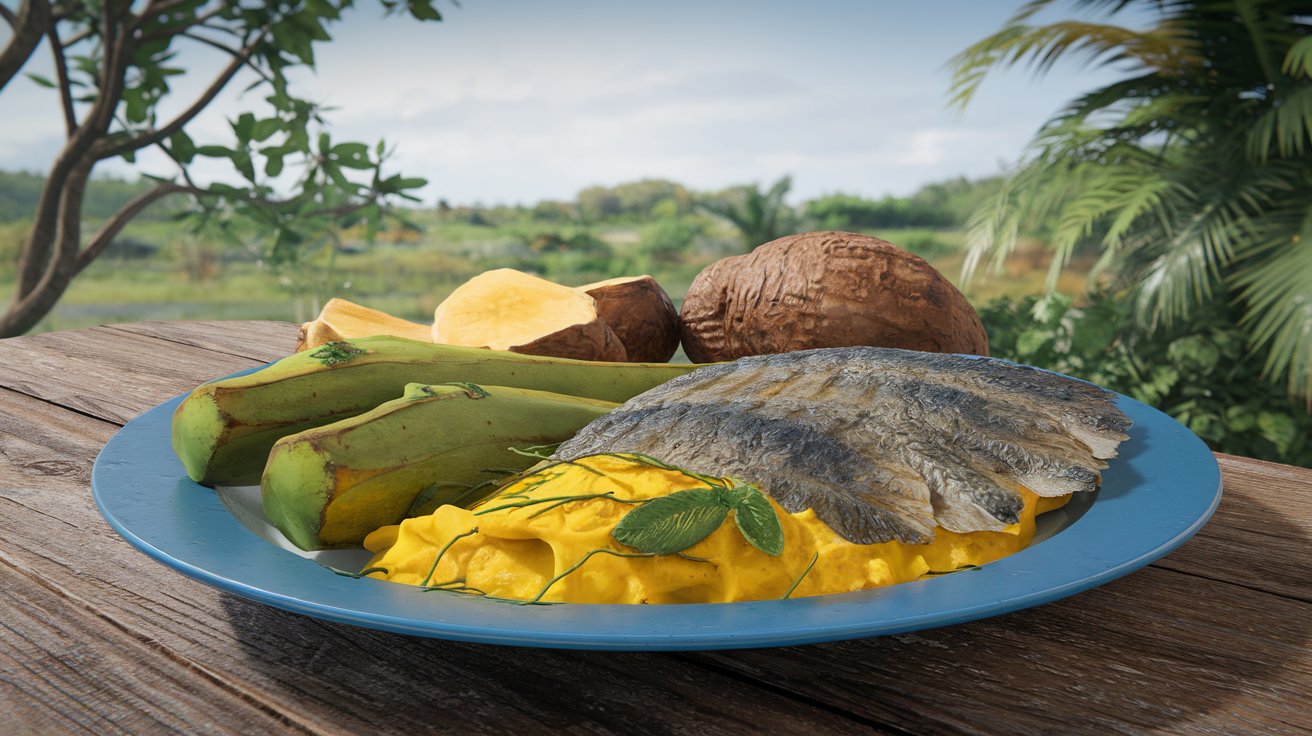
Traditional preservation techniques from Africa adapted to Caribbean climates include salt-curing fish, smoking meats over pimento wood, and fermenting vegetables. These methods not only preserved food in tropical heat but also developed the distinctive flavors that define Caribbean cuisine today. Salt fish, a preserved cod preparation, became a staple protein source and remains central to traditional Caribbean breakfasts and festival foods.
Spanish Colonial Flavors and Culinary Contributions
Spanish colonization introduced fundamental ingredients and cooking techniques that transformed Caribbean food traditions. The Spanish brought rice, wheat, pork, beef, and dairy products, along with cooking methods like sofrito preparation and the use of saffron and olive oil. These additions created fusion dishes that combine European techniques with indigenous and African ingredients, establishing the foundation for modern Caribbean cuisine.
Traditional Spanish festivals and religious celebrations were adapted to Caribbean culture, incorporating local ingredients into holiday foods. Spanish influence is particularly evident in dishes like pasteles (similar to tamales), alcapurrias, and various rice preparations that remain central to Caribbean celebrations. The Spanish tradition of elaborate feast preparation for religious holidays established patterns of communal cooking that continue to define Caribbean festival culture in 2026.
French Culinary Excellence in Caribbean Cuisine
French culinary influence elevated Caribbean food culture through sophisticated cooking techniques and refined flavor combinations. French colonies introduced classical sauce preparations, pastry techniques, and wine-based cooking methods that were adapted using local ingredients. This fusion created distinctive dishes like court bouillon and various Creole preparations that showcase French technique with Caribbean flavors.
The French tradition of patisserie influenced Caribbean dessert culture, leading to the development of unique sweets like pain patate and coconut flan. French cooking methods also introduced the concept of mother sauces adapted with local peppers and spices. Modern Caribbean cuisine in French-influenced territories continues to demonstrate this sophisticated approach to flavor development and presentation techniques.
Creole Cooking Traditions
French Creole traditions created a distinct branch of Caribbean food traditions that emphasizes complex seasoning blends and sophisticated cooking techniques. Creole cuisine incorporates the French concept of mise en place with Caribbean ingredients, creating dishes that are both technically excellent and deeply rooted in local culture. Traditional Creole seasonings include blends of herbs, spices, and aromatics that require hours of preparation.
French Pastry Techniques in Caribbean Desserts
French pastry influences transformed Caribbean cuisine desserts by introducing techniques like choux pastry and custard preparations using tropical ingredients. Local adaptations include coconut-based custards, guava pastries, and rum-infused desserts that combine French technique with Caribbean flavors. These desserts remain essential components of traditional Caribbean celebrations and holiday menus.
British Colonial Impact on Caribbean Food Culture
British colonial influence introduced traditional Caribbean foods like curry preparations, tea culture, and various pudding recipes that were adapted using local ingredients. The British brought curry powders and Indian spices to the Caribbean, creating the foundation for distinctive curry dishes that differ significantly from their Indian origins. British baking traditions were modified to include tropical ingredients like coconut, plantains, and local fruits.
The British tradition of afternoon tea was transformed into Caribbean tea time, featuring local pastries, fritters, and traditional breads. British preservation methods were adapted to tropical climates, creating unique preparations like pickled mangoes and preserved peppers. Modern Caribbean food traditions continue to reflect this British influence through dishes like curry goat, which has become synonymous with Caribbean cuisine worldwide.
Dutch Trading Influence and Culinary Exchange
Dutch colonial presence introduced unique ingredients and cooking methods that enriched Caribbean cuisine diversity. The Dutch brought cheese-making techniques, various preservation methods, and introduced crops like breadfruit and ackee that became staples in Caribbean cooking. Dutch trading networks also facilitated the exchange of spices and cooking techniques between different Caribbean islands and mainland regions.
Traditional Dutch baking methods were adapted to create Caribbean specialties like Dutch oven cooking techniques and various bread preparations. The Dutch influence is particularly evident in the ABC islands (Aruba, Bonaire, Curaçao), where traditional Dutch ingredients are combined with local seafood and tropical produce. Contemporary Caribbean food culture in these regions maintains strong connections to Dutch culinary traditions while incorporating indigenous and African influences.
East Indian Heritage and Spice Traditions
The arrival of East Indian indentured workers profoundly enriched Caribbean food traditions with authentic Indian cooking techniques, spice blends, and vegetarian preparations. These immigrants brought traditional curry preparations, roti-making techniques, and the use of aromatic spices like turmeric, cumin, and coriander that transformed Caribbean cuisine. Indian festivals and religious celebrations were adapted to Caribbean culture, creating unique fusion traditions.
Traditional Indian cooking methods like tandoor techniques were adapted using local materials and ingredients. The preparation of homemade curry powders, pickling techniques, and various bread-making skills became integral parts of Caribbean cuisine. Modern Caribbean restaurants in 2026 continue to feature authentic Indian-influenced dishes that represent this important cultural heritage, including doubles, roti wraps, and various curry preparations that have become iconic Caribbean foods.
Traditional Indian Spice Blending Techniques
East Indian spice preparation methods transformed Caribbean cooking ingredients by introducing complex spice toasting and grinding techniques. Traditional curry powders are prepared fresh using whole spices that are roasted and ground to create distinctive flavor profiles. These techniques require specific knowledge of spice proportions and preparation timing that continues to be passed down through Caribbean families of Indian heritage.
Indian Festival Foods in Caribbean Culture
Indian religious festivals adapted to Caribbean culture created unique Caribbean celebrations that feature traditional Indian sweets, savory preparations, and ceremonial foods. Festivals like Divali showcase Indian-influenced Caribbean cuisine through dishes like parsad, pholourie, and various traditional sweets made with local ingredients. These celebrations demonstrate the successful integration of Indian food traditions into broader Caribbean cultural practices.
Traditional Caribbean Celebrations and Festival Foods
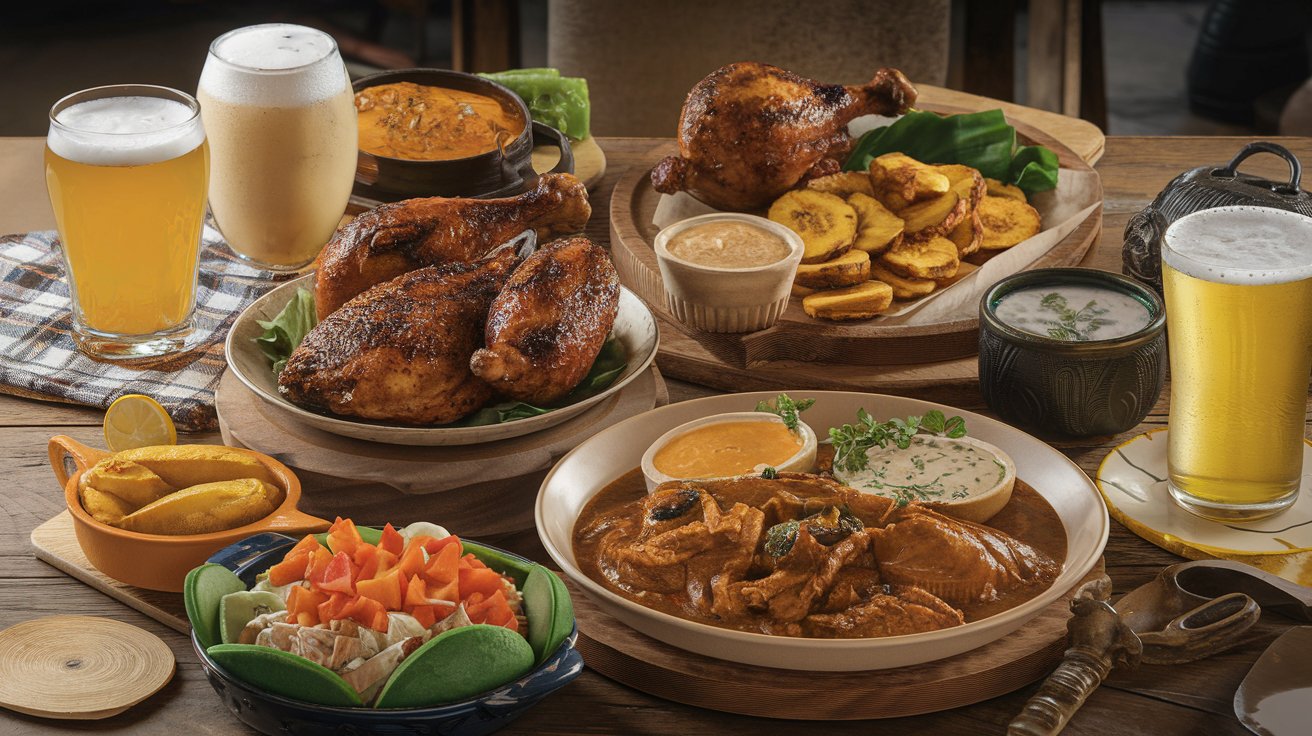
Caribbean celebrations showcase the full spectrum of cultural food traditions through elaborate festival menus that represent the diverse heritage of these islands. Carnival celebrations feature traditional foods like curry goat, jerk chicken, doubles, and festival bread that demonstrate the fusion of multiple culinary influences. These celebrations serve as living museums of Caribbean culinary heritage, preserving traditional preparation methods and recipes.
Religious and cultural festivals throughout the Caribbean calendar highlight seasonal ingredients and traditional cooking methods. Christmas celebrations feature traditional foods like black cake, sorrel drink, and ham preparations that combine European traditions with local ingredients. Modern Caribbean celebrations in 2026 continue to honor these food traditions while adapting to contemporary dietary preferences and cooking technologies.
Carnival Food Traditions
Carnival season represents the pinnacle of Caribbean food culture with street foods, traditional preparations, and elaborate feasts that celebrate cultural diversity. Traditional carnival foods include corn soup, grilled corn, snow cones with tropical syrups, and various fried preparations that can be easily consumed during festival activities. These foods reflect the communal nature of Caribbean celebrations and the importance of sharing meals during cultural events.
Religious Festival Foods
Religious celebrations in the Caribbean feature specific traditional Caribbean foods that honor cultural heritage and spiritual traditions. Easter celebrations include hot cross buns made with local spices, traditional fish preparations for Good Friday, and elaborate Sunday feasts. These religious food traditions demonstrate the integration of European Christian customs with indigenous and African spiritual practices through food preparation and sharing rituals.
Related video about caribbean food traditions and celebrations
This video complements the article information with a practical visual demonstration.
Most asked questions about caribbean food traditions and celebrations
What are some traditional Caribbean foods that represent the culture?
Traditional Caribbean foods include jerk chicken, curry goat, rice and peas, ackee and saltfish, roti, doubles, festival bread, and plantains. These dishes represent the fusion of African, indigenous, European, and East Indian influences that define Caribbean cuisine. Each island has specific variations that reflect their unique cultural heritage and available local ingredients.
What is Caribbean food culture and how did it develop?
Caribbean food culture developed through centuries of cultural exchange between indigenous peoples, African slaves, European colonizers, and East Indian indentured workers. This fusion created a unique culinary identity that emphasizes bold flavors, communal cooking, and the use of local spices like allspice, scotch bonnet peppers, and tropical fruits. The culture celebrates food as central to community gatherings and cultural expression.
What are some important Caribbean cooking ingredients?
Essential Caribbean cooking ingredients include scotch bonnet peppers, allspice (pimento), curry powder, coconut milk, plantains, cassava, yams, saltfish, curry leaves, and various tropical fruits. Traditional seasonings like jerk spice blends, sofrito preparations, and homemade curry powders are fundamental to authentic Caribbean cooking. These ingredients create the distinctive flavors that define Caribbean cuisine.
How are Caribbean traditions celebrated through food?
Caribbean traditions are celebrated through elaborate festival foods, communal cooking practices, and seasonal specialties that honor cultural heritage. Carnival features street foods and traditional preparations, while religious holidays showcase specific dishes like black cake for Christmas or hot cross buns for Easter. Food sharing during celebrations strengthens community bonds and preserves cultural identity across generations.
What is the history of Caribbean food and its influences?
Caribbean food history spans over 500 years, beginning with indigenous Taíno and Arawak cooking methods, then incorporating African techniques through slavery, European ingredients via colonization, and East Indian spices through indentured labor. This complex history created a unique fusion cuisine that reflects the multicultural nature of Caribbean society and continues to evolve while maintaining traditional roots.
What are some popular Caribbean cuisine desserts?
Popular Caribbean desserts include black cake (rum-soaked fruitcake), coconut drops, gizzada (coconut tart), bread pudding with rum sauce, sweet potato pudding, and various tropical fruit preparations. French colonial influence created sophisticated custards and pastries, while African traditions contributed recipes using ground provisions and natural sweeteners like molasses and coconut sugar.
| Cultural Influence | Key Contributions | Modern Impact |
|---|---|---|
| Indigenous Heritage | Barbecuing, cassava, tropical fruits | Foundation of jerk cooking and traditional ingredients |
| African Traditions | One-pot cooking, seasoning techniques | Core flavor profiles and cooking methods |
| European Colonial | Rice, wheat, preservation methods | Sophisticated cooking techniques and ingredients |
| East Indian Heritage | Curry spices, roti, vegetarian dishes | Popular street foods and spice blending |