While plantains and bananas belong to the same botanical family, they differ significantly in taste, texture, nutritional content, and culinary applications. Plantains are typically larger, starchier, and require cooking, while bananas are sweeter and commonly eaten raw. Understanding these differences helps you choose the right fruit for your dietary needs and cooking preferences in 2026.
What Are Plantains and Bananas
Both plantains and bananas are members of the Musa genus, making them botanical cousins rather than completely different fruits. However, their cultivation and intended use have diverged significantly over thousands of years. Bananas are primarily dessert fruits consumed fresh, while plantains are cooking bananas treated more like vegetables in culinary applications.
In the United States, banana consumption reached 27.4 pounds per person in 2025, making them the most popular fruit. Plantains, while less common, have seen a 15% increase in consumption among American households between 2023 and 2026, particularly in Hispanic and Caribbean communities where they’re dietary staples.
Plantain Characteristics and Varieties
Plantains are larger and thicker than regular bananas, typically measuring 6-10 inches in length with a more angular shape. They contain higher starch content and lower sugar levels, making them unsuitable for raw consumption when unripe. Green plantains are extremely starchy with a potato-like texture, while yellow and black plantains develop sweetness as they ripen, though they still require cooking for optimal digestibility.
Banana Types and Classification
Bananas commonly found in US markets are primarily Cavendish varieties, bred for sweetness and fresh consumption. These dessert bananas are smaller, curved, and develop high sugar content as they ripen. Green bananas can be cooked similarly to plantains, but they’re typically consumed yellow when their starch has converted to natural sugars, creating the familiar sweet taste Americans expect.
Nutritional Differences Between Plantains and Bananas
The nutritional profiles of plantains and bananas vary significantly based on their starch and sugar content. A medium plantain (150g) contains approximately 220 calories, while a medium banana (120g) provides about 105 calories. Plantains deliver more complex carbohydrates, making them more filling and providing sustained energy release compared to bananas’ quick energy from simple sugars.
Plantains contain higher levels of vitamin A and potassium per serving, with 1,668 IU of vitamin A compared to bananas’ 76 IU. However, bananas provide more vitamin B6 and faster-absorbing natural sugars. Both fruits offer excellent sources of dietary fiber, though plantains provide slightly more at 3.5g versus bananas’ 3.1g per serving.
Plantain Nutrition Facts 2026
One medium plantain provides 220 calories, 57g carbohydrates, and significant amounts of potassium (739mg), vitamin C (27mg), and magnesium (55mg). The high starch content makes plantains excellent for sustained energy, particularly beneficial for athletes and individuals with active lifestyles. Green plantains are low glycemic, causing slower blood sugar rises compared to ripe bananas.
Banana Nutritional Profile
A medium banana contains 105 calories, 27g carbohydrates, and notable amounts of potassium (422mg), vitamin B6 (0.5mg), and vitamin C (10mg). Bananas provide quick energy through natural sugars (14g), making them popular pre-workout snacks. Ripe bananas have higher antioxidant levels than green bananas, particularly beneficial compounds like dopamine and catechins.
Taste and Texture Differences
The difference between plantains and bananas taste is dramatic and depends heavily on ripeness. Green plantains taste starchy and bland, similar to potatoes, with no sweetness. As they ripen to yellow, they develop mild sweetness while maintaining firm texture. Black plantains become very sweet but retain their cooking fruit character, never achieving the creamy texture of ripe bananas.
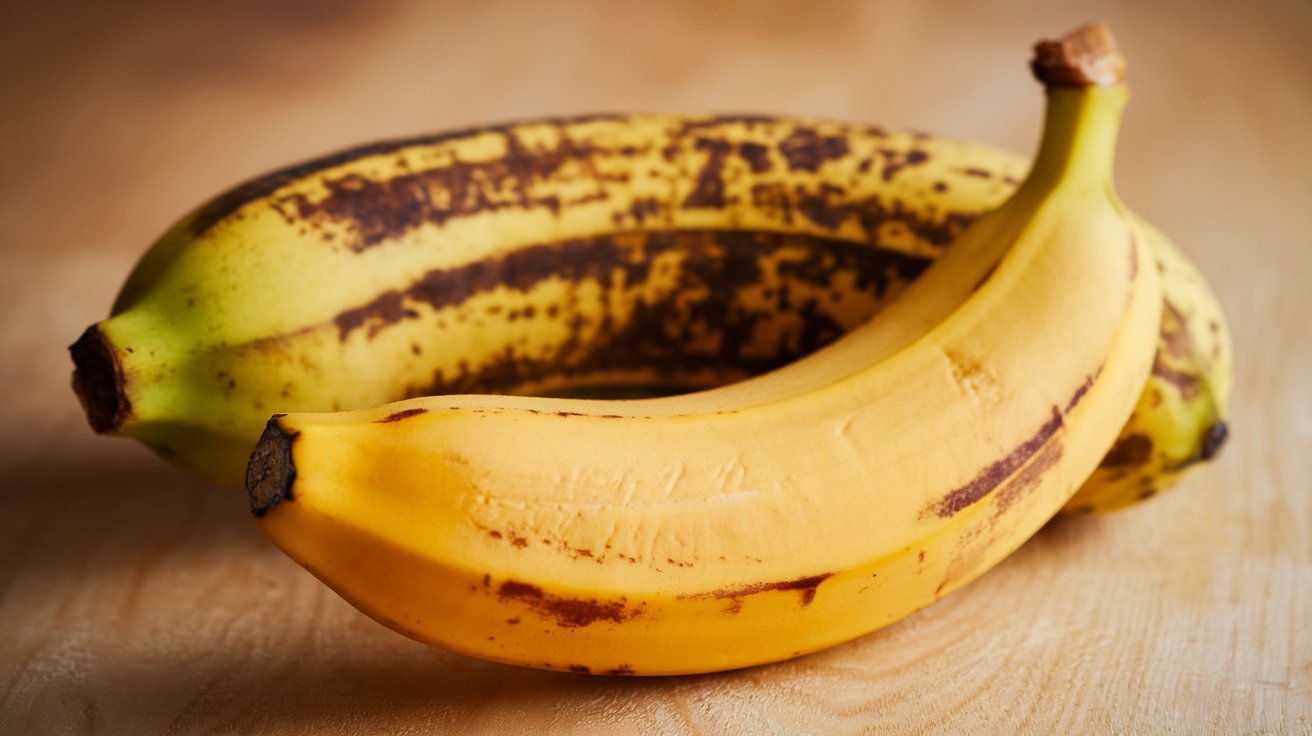
Bananas transform completely during ripening, starting green and starchy but becoming incredibly sweet with soft, creamy flesh when yellow with brown spots. The texture becomes smooth and almost custard-like, making them perfect for fresh consumption. This textural difference explains why plantains require cooking while bananas are enjoyed raw.
Culinary Uses and Cooking Methods
Plantains serve as versatile cooking ingredients across multiple cuisines, particularly Latin American, Caribbean, and West African dishes. They can be fried, baked, boiled, or grilled at any ripeness stage, each method producing different flavors and textures. Green plantains are treated like potatoes, often fried into crispy tostones or boiled and mashed into mangú.
In 2026, plantain flour has gained popularity in gluten-free baking across the United States, providing a nutritious alternative to wheat flour. Many American restaurants now feature plantain dishes, from sweet maduros to savory plantain chips, reflecting the growing appreciation for this versatile fruit in mainstream cuisine.
Popular Plantain Cooking Methods
Frying remains the most popular preparation for plantains in American households, whether making twice-fried tostones from green plantains or sweet maduros from ripe ones. Baking has increased 25% in popularity since 2024, offering a healthier alternative. Plantain chips represent the fastest-growing snack category, with US sales reaching $180 million in 2025 as health-conscious consumers seek alternatives to potato chips.
Banana Culinary Applications
Bananas excel in both raw and cooked applications, from smoothies and breakfast bowls to banana bread and desserts. Green bananas can be cooked similarly to plantains but are less common in American cuisine. Banana-based products have expanded significantly, including banana flour, freeze-dried banana snacks, and banana-infused beverages, reflecting their versatility beyond fresh consumption.
Health Benefits and Medical Considerations
Both plantains and bananas offer significant health benefits, though their different nutritional profiles make them suitable for different dietary goals. Plantains’ high resistant starch content supports digestive health and blood sugar stability, making them beneficial for diabetes management. Plantains are better for sustained energy and weight management due to their higher fiber and complex carbohydrate content.
Bananas provide quick energy and electrolyte replacement, making them ideal for post-workout recovery. Their high potassium content supports heart health and blood pressure regulation. Recent 2026 studies indicate that both fruits contain prebiotic compounds that support gut microbiome diversity, though plantains provide more significant digestive benefits when consumed regularly.
Can You Eat Plantains Raw
Raw plantains are technically edible but not recommended when green due to their high levels of resistant starch and tannins, which can cause digestive discomfort. Green plantains taste chalky and astringent, lacking the sweetness and soft texture that makes bananas appealing for fresh consumption. Very ripe plantains can be eaten raw when they’re completely black and soft, though they’re still typically cooked to enhance flavor and digestibility.
Unlike bananas, plantains don’t convert enough starch to sugar during ripening to become truly pleasant for raw consumption. The cell structure remains firmer than bananas, even when fully ripe. Most nutritionists recommend cooking plantains to maximize nutrient absorption and minimize potential digestive issues, particularly for individuals with sensitive stomachs.
Which Is Better for Specific Health Goals
For diabetes management and blood sugar control, green plantains are superior due to their low glycemic index and high resistant starch content. They provide sustained energy without causing rapid blood sugar spikes. Ripe bananas are better for immediate energy needs, making them ideal pre-workout fuel or quick energy replacement during physical activity.
Weight management benefits favor plantains due to their higher fiber content and more complex carbohydrates that promote satiety. However, bananas are lower in calories and easier to portion control. For digestive health, both fruits offer benefits, but plantains provide more prebiotic fiber that supports beneficial gut bacteria growth, according to 2026 nutritional research.
Related video about difference between plantains and bananas
This video complements the article information with a practical visual demonstration.
What you should know
Are banana and plantain the same?
No, while bananas and plantains belong to the same botanical family (Musa), they are different varieties bred for different purposes. Bananas are dessert fruits eaten fresh, while plantains are cooking bananas with higher starch content that require preparation. They differ significantly in size, taste, texture, and culinary applications.
Why is a plantain not a fruit?
Plantains are technically fruits, but they’re often categorized as vegetables in culinary contexts because they’re treated like starchy vegetables in cooking. Their high starch content, lack of sweetness when raw, and requirement for cooking make them function more like potatoes than traditional fruits in meal preparation.
Which banana is low in FODMAP?
Unripe green bananas are lower in FODMAPs compared to ripe bananas. However, for strict low-FODMAP diets, limit portions to 1/3 of a medium banana (about 35g). Plantains in small portions may also be suitable, but individuals with FODMAP sensitivities should consult healthcare providers for personalized guidance.
Is plantain good for A1C?
Yes, green plantains can be beneficial for A1C levels due to their low glycemic index and high resistant starch content, which helps stabilize blood sugar levels. The complex carbohydrates provide sustained energy without causing rapid glucose spikes. However, portion control and preparation method matter significantly for diabetic management.
Can you eat plantains raw like bananas?
While technically possible, raw plantains are not recommended, especially when green. They taste starchy and astringent due to high levels of resistant starch and tannins. Very ripe (black) plantains can be eaten raw but are still typically cooked for better flavor and digestibility. Unlike bananas, plantains don’t develop the sweet, soft texture suitable for fresh consumption.
What’s the difference in calories between plantains and bananas?
A medium plantain contains approximately 220 calories compared to a medium banana’s 105 calories. This difference reflects plantains’ larger size and higher starch content. However, plantains also provide more fiber and nutrients per serving, making them more filling and nutritionally dense than bananas.
| Key Aspect | Plantains | Bananas |
|---|---|---|
| Primary Use | Cooking fruit, requires preparation | Fresh consumption, dessert fruit |
| Calories (medium) | 220 calories | 105 calories |
| Best for Blood Sugar | Stable energy, low glycemic | Quick energy, higher glycemic |
| Vitamin A Content | 1,668 IU (high) | 76 IU (low) |
| Raw Consumption | Not recommended | Preferred method |