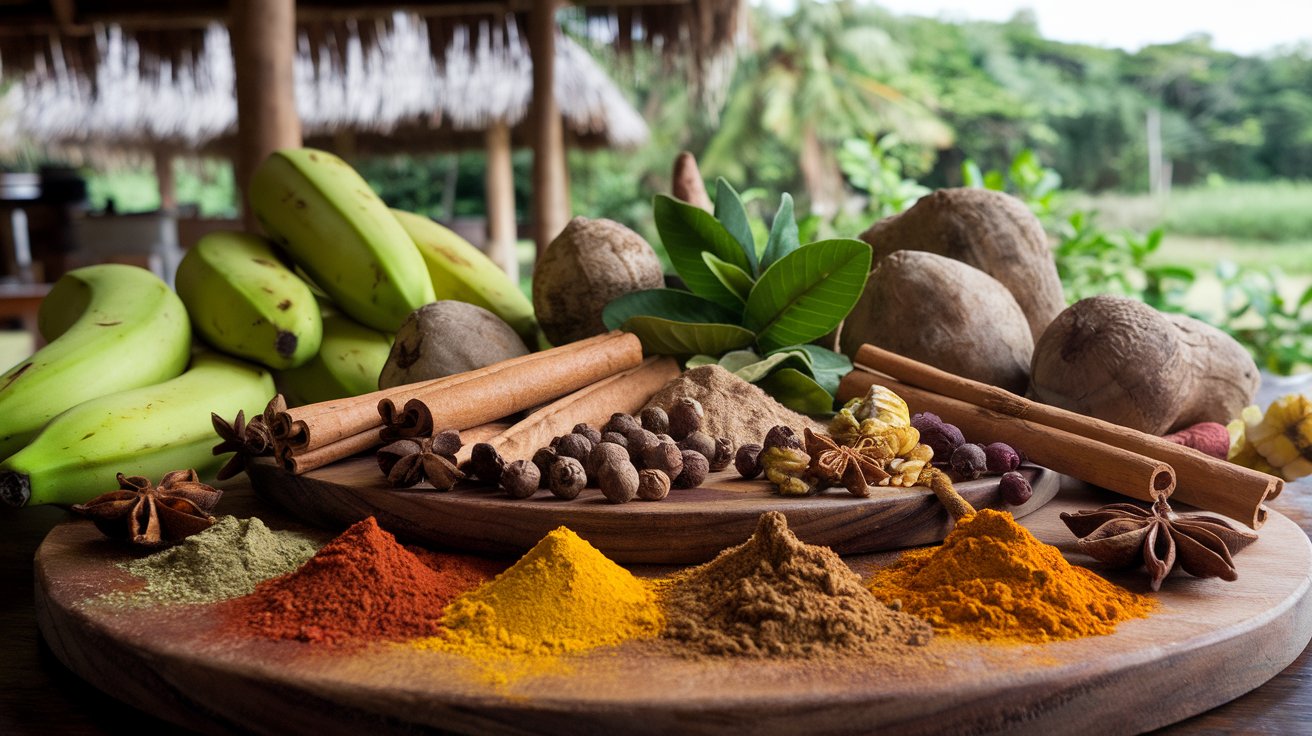
Caribbean food is distinguished by its vibrant and complex flavor profiles, achieved through a carefully crafted blend of traditional Caribbean spices that have been passed down through generations. These aromatic seasonings, ranging from indigenous island herbs to imported spices brought by various cultural influences, create the distinctive taste that makes Caribbean cuisine so beloved across the United States and beyond.
Essential Caribbean Spices for Authentic Island Cooking
The foundation of Caribbean cooking rests on a collection of essential Caribbean spices that have defined the region’s culinary identity for centuries. These spices form the backbone of classic Caribbean dishes and are responsible for the bold, complex flavors that distinguish island cuisine from other culinary traditions.
Allspice berries, known locally as pimento, stand as perhaps the most iconic Caribbean spice. Native to Jamaica and other Caribbean islands, allspice provides a warm, complex flavor that combines notes of cinnamon, nutmeg, and cloves. This versatile spice appears in everything from jerk seasoning to traditional stews and is considered indispensable in authentic Caribbean cooking throughout the United States market.
Primary Aromatic Spices in Caribbean Cuisine
Nutmeg and mace hold special significance in Caribbean cooking, particularly in Grenada, known as the “Spice Isle.” These spices add warmth and depth to both sweet and savory dishes, while cinnamon bark provides essential sweetness and aroma to traditional Caribbean desserts and beverages. Black pepper, though not native to the region, has become integral to Caribbean spice blends and everyday cooking.
Traditional Caribbean Heat Elements
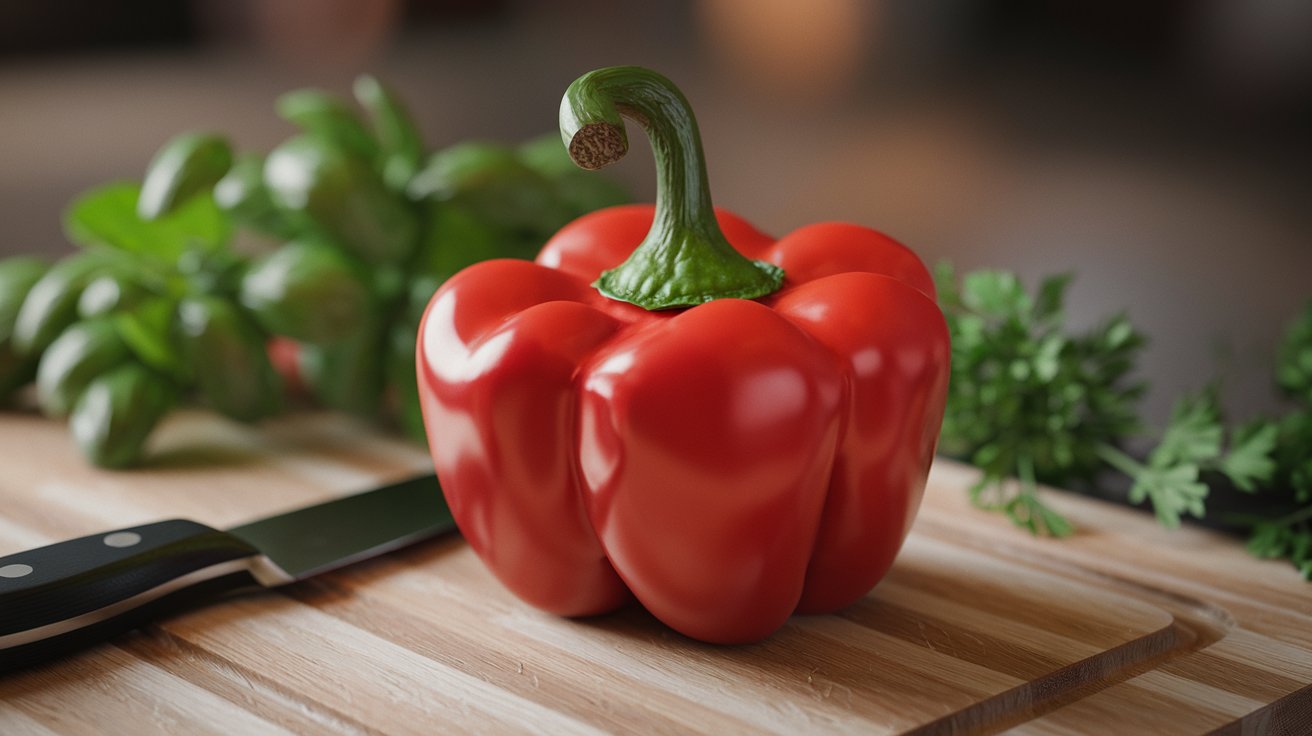
The distinctive heat in Caribbean food comes from scotch bonnet peppers and various chili varieties that provide both flavor and intense spiciness. These peppers are often combined with black pepper and cayenne pepper to create the signature heat levels that Caribbean cuisine is famous for. The balance of heat and flavor distinguishes authentic Caribbean cooking from simply spicy food.
Traditional Caribbean Herbs and Their Culinary Uses
Traditional Caribbean herbs play an equally important role in creating authentic island flavors, with many varieties growing naturally in the tropical climate of the Caribbean islands. These fresh herbs are used both for their medicinal properties and their distinctive flavors that complement the region’s spice profiles.
Thyme stands out as one of the most frequently used herbs in Caribbean cooking, appearing in everything from rice and peas to curry dishes and meat marinades. Its earthy, aromatic qualities make it an essential component of most Caribbean spice mixes and seasoning blends used throughout American Caribbean restaurants and home kitchens.
Fresh Herbs in Caribbean Cooking
Cilantro and parsley are extensively used in Caribbean cuisine, particularly in dishes with Latin influences. These herbs provide freshness and color to heavy, spiced dishes, while bay leaves add depth to slow-cooked stews and curry preparations. Chives and green onions are also fundamental to many traditional Caribbean recipes.
Indigenous Caribbean Herb Varieties
Native herbs like chadon beni (Caribbean cilantro) and various mint varieties provide unique flavors that cannot be replicated with substitute herbs. These indigenous plants have been cultivated for generations and remain essential to authentic Caribbean cooking, though they can be challenging to find in mainstream US markets.
Popular Caribbean Spice Blends and Seasonings
Caribbean spice mix combinations have evolved over centuries, blending African, European, and indigenous influences into distinctive seasoning profiles that define regional cooking styles. These pre-made blends offer convenience while maintaining authentic flavors for home cooks across the United States.
The most recognizable Caribbean spice recipe is jerk seasoning, which combines allspice, thyme, scotch bonnet peppers, garlic, and various other spices to create the signature flavor of Jamaican jerk chicken and pork. This blend has become widely available in US grocery stores and represents the most commercially successful Caribbean seasoning export.
Regional Spice Blend Variations
Different Caribbean islands have developed their own signature spice blends that reflect local ingredients and cultural influences. Trinidadian curry powder differs significantly from Indian curry powder, incorporating local spices and heat preferences, while Barbadian seasoning blends emphasize herbs and milder spice combinations.
Commercial Caribbean Seasoning Options
The US market in 2026 offers numerous commercial Caribbean spice blends from brands like Grace, Walkerswood, and local Caribbean specialty companies. These products provide authentic flavor profiles while meeting American food safety standards and packaging requirements for widespread distribution.
Top 10 Caribbean Spices Every Cook Should Know
Understanding the top 10 Caribbean spices enables home cooks to recreate authentic island flavors in their own kitchens. These essential spices form the foundation of Caribbean cooking and are readily available in most US markets, making Caribbean cuisine accessible to American home cooks.
The complete Caribbean spices list includes allspice (pimento), nutmeg, cinnamon, cloves, ginger, turmeric, coriander seeds, cumin, cardamom, and star anise. Each spice contributes unique flavor characteristics that work together to create the complex taste profiles that define Caribbean cuisine across different islands and cooking traditions.
Caribbean Spices Used in American Cooking
The integration of Caribbean spices in American cooking has accelerated significantly since 2020, with mainstream American restaurants and home cooks embracing Caribbean flavor profiles. This trend reflects both increased cultural appreciation and the growing Caribbean-American population throughout the United States.
Fusion Caribbean cooking has emerged as a popular trend, where traditional American dishes incorporate Caribbean spice elements to create new flavor experiences. Barbecue restaurants frequently use Caribbean spice rubs, while American comfort foods like mac and cheese are being enhanced with Caribbean seasonings to appeal to diverse palates.
Where to Buy Authentic Caribbean Spices in the US
Sourcing authentic Caribbean spices in the United States has become significantly easier with the expansion of Caribbean specialty stores and online retailers. Major cities with substantial Caribbean populations, including New York, Miami, and Los Angeles, offer numerous brick-and-mortar options for purchasing fresh and authentic spices.
Online platforms have revolutionized access to Caribbean cooking ingredients, with specialty retailers shipping authentic spices directly from Caribbean suppliers. These sources often provide fresher, more potent spices than those found in mainstream grocery stores, ensuring better flavor results in home cooking applications.
Health Benefits of Caribbean Spices
Beyond their culinary applications, Caribbean spices offer significant health benefits that align with growing American interest in functional foods and natural health solutions. Many traditional Caribbean spices possess anti-inflammatory, antioxidant, and digestive properties that have been recognized in both traditional medicine and modern nutritional science.
Turmeric and ginger, frequently used in Caribbean curry preparations, provide powerful anti-inflammatory compounds, while nutmeg and allspice contain antioxidants that support overall health. The capsaicin in scotch bonnet peppers offers metabolic benefits and pain relief properties, making Caribbean cuisine both flavorful and nutritionally beneficial.
Storing and Preserving Caribbean Spices
Proper storage of Caribbean spices ensures maximum flavor potency and extends shelf life, crucial factors for maintaining authentic taste profiles in home cooking. The tropical origins of these spices require specific storage considerations to prevent moisture damage and flavor degradation in various American climate conditions.
Whole spices generally maintain their potency longer than ground varieties, with properly stored allspice berries and nutmeg lasting up to four years. Ground Caribbean spices should be stored in airtight containers away from heat and light, with most maintaining optimal flavor for 18-24 months when properly preserved.
Related video about what spices are used in caribbean food
This video complements the article information with a practical visual demonstration.
Everything you need to know about what spices are used in caribbean food
What are the most important spices in Caribbean cooking?
The most essential Caribbean spices include allspice (pimento), nutmeg, cinnamon, thyme, scotch bonnet peppers, and ginger. Allspice is considered the signature Caribbean spice, native to Jamaica and providing the distinctive warm, complex flavor found in jerk seasoning and many traditional dishes. These spices form the foundation of authentic Caribbean cuisine and are readily available in US markets.
Can I substitute regular spices for Caribbean varieties?
While some substitutions are possible, authentic Caribbean flavors require specific spice varieties. Regular cinnamon can substitute for Caribbean cinnamon bark, but scotch bonnet peppers have a unique fruity heat that habaneros only partially replicate. Allspice cannot be effectively substituted, as it provides the distinctive Caribbean flavor profile that defines many traditional dishes.
Where can I buy authentic Caribbean spices in America?
Authentic Caribbean spices are available through Caribbean specialty stores in major US cities, online retailers like Caribbean Trading Company and Grace Foods, and increasingly in mainstream grocery stores with international sections. Cities with large Caribbean populations like New York, Miami, and Toronto offer the best selection of fresh, authentic spices imported directly from Caribbean islands.
How do I make my own Caribbean spice blend?
A basic Caribbean spice blend combines 2 tablespoons ground allspice, 1 tablespoon dried thyme, 1 teaspoon each of nutmeg, cinnamon, and ginger, plus ground scotch bonnet or cayenne pepper to taste. Toast whole spices before grinding for enhanced flavor, and store the blend in an airtight container for up to one year for optimal potency.
What makes Caribbean spices different from other cuisine spices?
Caribbean spices are distinguished by their tropical origins, unique heat profiles from scotch bonnet peppers, and the prominent use of allspice, which is native to the region. The combination reflects the islands’ multicultural history, blending indigenous, African, European, and Asian influences into distinctive flavor profiles that emphasize both heat and aromatic complexity.
Are Caribbean spices healthy?
Caribbean spices offer numerous health benefits, including anti-inflammatory properties from turmeric and ginger, antioxidants from allspice and nutmeg, and metabolic benefits from capsaicin in hot peppers. Many Caribbean spices have been used in traditional medicine for centuries and are now recognized by modern nutrition science for their therapeutic properties and nutritional value.
| Spice Category | Essential Examples | Primary Benefit |
|---|---|---|
| Signature Spices | Allspice, Nutmeg, Cinnamon | Authentic Caribbean flavor foundation |
| Heat Elements | Scotch Bonnet, Black Pepper | Distinctive Caribbean heat profile |
| Fresh Herbs | Thyme, Cilantro, Bay Leaves | Freshness and aromatic complexity |
| Spice Blends | Jerk Seasoning, Curry Powder | Convenient authentic seasoning |
| Health Spices | Turmeric, Ginger, Garlic | Anti-inflammatory and antioxidant properties |