Making jerk marinade from scratch transforms ordinary meat into a Caribbean culinary masterpiece. This authentic Jamaican marinade combines scotch bonnet peppers, allspice, and aromatic herbs to create the perfect balance of heat, sweetness, and complex flavors that define traditional jerk cuisine.
Essential Ingredients for Authentic Jerk Marinade
The foundation of any authentic jerk marinade recipe starts with understanding the three main ingredients that define this Caribbean classic. These core components include scotch bonnet peppers for heat, allspice berries for warmth, and fresh thyme for aromatic depth. Each ingredient serves a specific purpose in creating the complex flavor profile that makes jerk cuisine so distinctive.
Traditional jamaican jerk marinade requires both wet and dry ingredients to achieve the proper consistency and flavor penetration. The wet ingredients typically include soy sauce, lime juice, brown sugar, and oil, while dry ingredients encompass ground spices like cinnamon, nutmeg, and garlic powder. This combination ensures your marinade will properly coat and flavor your proteins.
Primary Spice Components
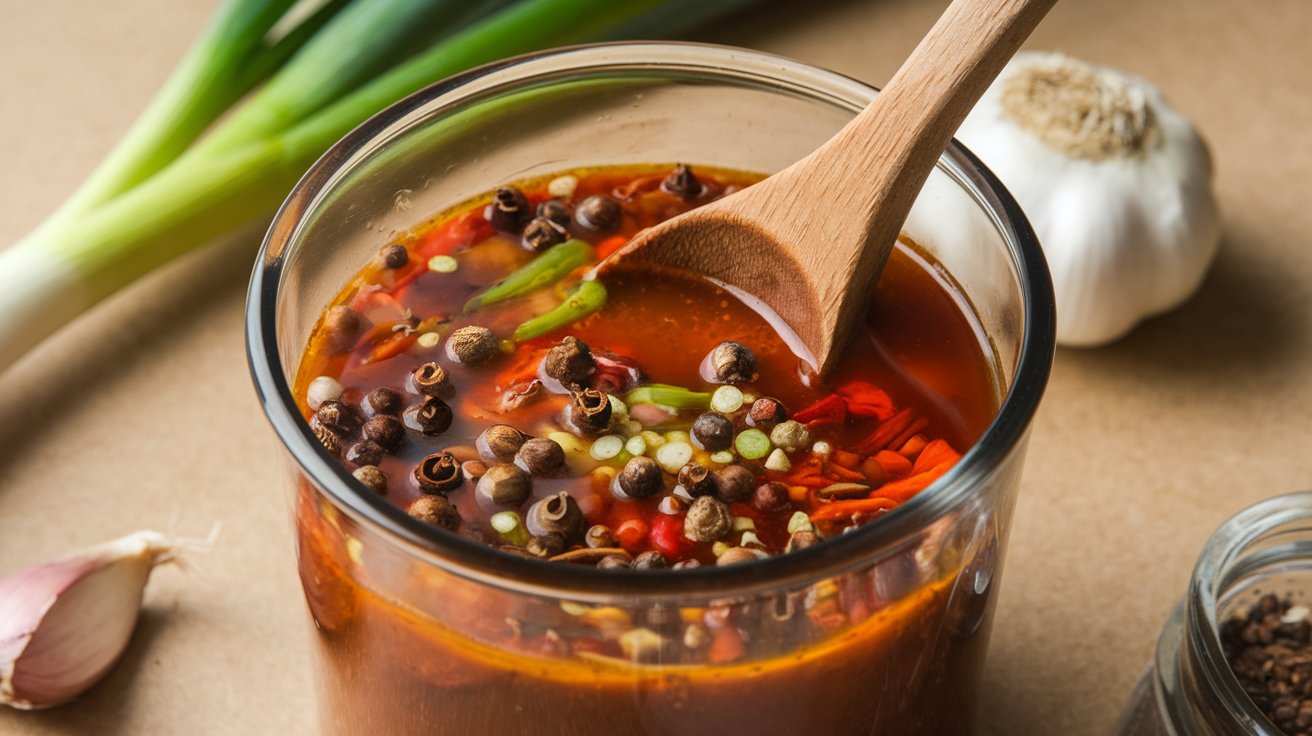
The three main ingredients that form the backbone of jerk seasoning include allspice berries (also called pimento), scotch bonnet or habanero peppers, and fresh thyme. Allspice provides the warm, aromatic base that gives jerk its distinctive flavor, while scotch bonnet peppers deliver the signature heat. Fresh thyme adds an herbaceous note that balances the spice intensity perfectly.
Supporting Flavor Enhancers
Beyond the primary trio, successful jerk marinade relies on supporting ingredients like brown sugar for caramelization, lime juice for acidity, and soy sauce for umami depth. Garlic, ginger, and onion form the aromatic foundation, while cinnamon and nutmeg add warming spice notes. These secondary ingredients work together to create the complex flavor layers characteristic of authentic Caribbean cuisine.
Step-by-Step Jerk Marinade Preparation
Creating jerk marinade from scratch requires proper preparation techniques to achieve the ideal consistency and flavor distribution. Start by toasting whole allspice berries in a dry pan for 2-3 minutes until fragrant, then grind them fresh for maximum potency. This simple step significantly enhances the marinade’s aromatic qualities compared to pre-ground spices.
The blending process is crucial for achieving the smooth consistency that allows proper meat penetration. Combine all wet ingredients first, including lime juice, soy sauce, and oil, then gradually add dry spices while blending. This method prevents clumping and ensures even distribution of all flavoring components throughout your marinade.
Proper Ingredient Processing
When preparing scotch bonnet peppers for your mild jerk marinade recipe, remove seeds and membranes to control heat levels while maintaining flavor. Roughly chop all fresh herbs and aromatics before adding to your blender or food processor. This preliminary prep work ensures even blending and prevents large chunks that could affect marinade consistency.
Blending Techniques for Optimal Texture
Achieve the perfect marinade consistency by blending ingredients in stages, starting with liquids and soft ingredients before adding harder spices. Pulse initially to break down larger pieces, then blend continuously for 30-60 seconds until smooth. The final texture should be slightly chunky but uniform, allowing for proper adherence to protein surfaces during marinating.
Best Jerk Marinade Recipe Variations
The best jerk marinade recipe can be adapted to suit different heat tolerances and flavor preferences while maintaining authentic Caribbean character. For those preferring milder heat, substitute jalapeño peppers for scotch bonnets or reduce pepper quantities by half. Adding extra brown sugar and pineapple juice creates a sweeter profile that appeals to American palates without compromising traditional flavors.
Regional variations within Jamaica itself offer inspiration for customizing your marinade. Some recipes emphasize citrus with additional orange juice, while others incorporate rum or coconut milk for richness. These adaptations demonstrate how traditional jerk marinade using jerk seasoning can evolve while respecting its cultural roots.
Marinating Times and Techniques
Proper marinating duration significantly impacts flavor development and meat tenderness. For jerk marinade from scratch for chicken, minimum marinating time should be 2 hours, though overnight marinating produces superior results. Thicker cuts like pork shoulder or beef require 24-48 hours for optimal flavor penetration and tenderization.
Temperature control during marinating prevents bacterial growth while allowing flavors to develop properly. Always marinate in refrigerated conditions between 35-38°F, and use glass or plastic containers rather than metal, which can react with acidic ingredients. Turning proteins every few hours ensures even flavor distribution throughout the marinating process.
Protein-Specific Marinating Guidelines
Different proteins require adjusted marinating times for optimal results. Seafood needs only 30 minutes to 2 hours due to its delicate texture, while poultry benefits from 4-24 hour marinating periods. Red meats like beef and lamb can handle longer marinating times of 24-48 hours, allowing the jerk seasoning acids to properly break down tough fibers.
Safety and Storage Considerations
Food safety remains paramount when marinating proteins with acidic ingredients. Never reuse marinade that has contacted raw meat without boiling it first for at least 5 minutes. Fresh marinade can be stored in refrigerated conditions for up to one week, making it convenient to prepare larger batches for multiple meals throughout the week.
Cooking Applications and Serving Suggestions
Versatility makes homemade jerk marinade suitable for various cooking methods beyond traditional grilling. Oven roasting at 375°F produces excellent results for larger cuts, while pan-searing works perfectly for smaller portions. The marinade’s sugar content promotes beautiful caramelization during cooking, creating the characteristic jerk exterior that balances sweet and spicy flavors.
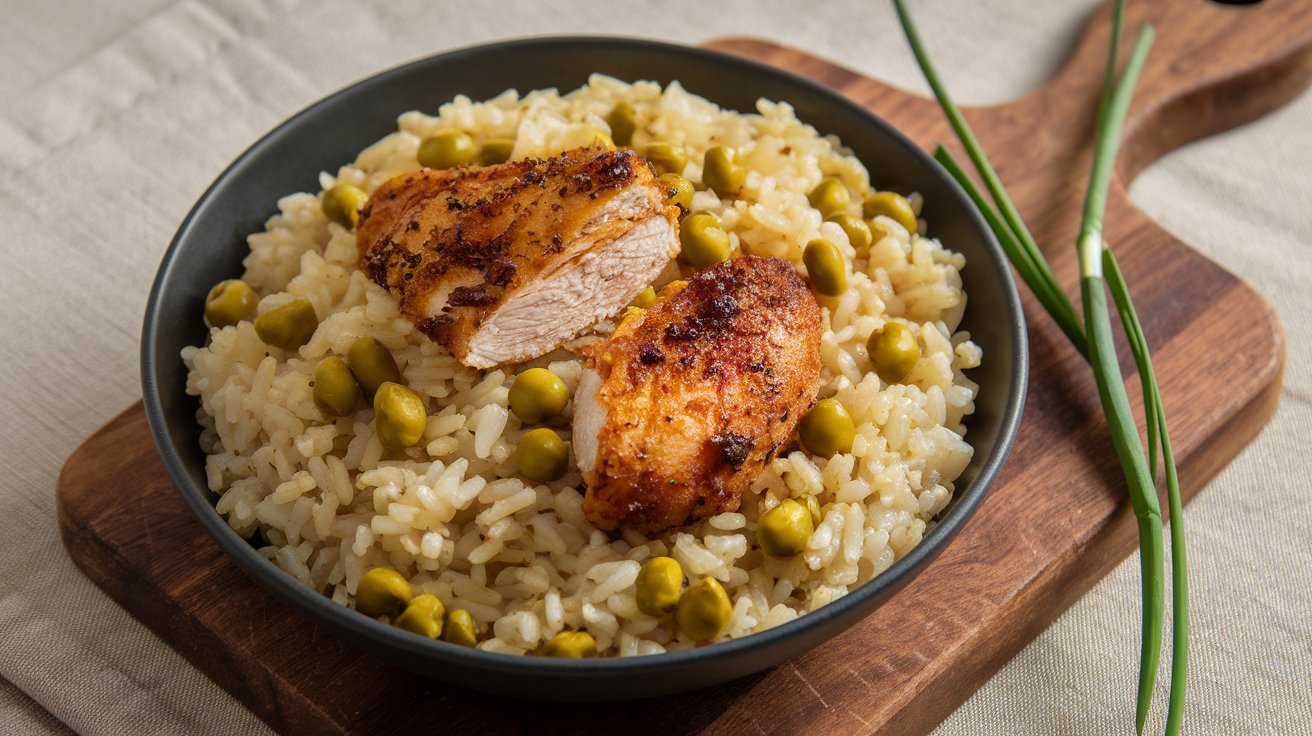
Traditional Caribbean accompaniments enhance the jerk experience significantly. Rice and peas, festival bread, and coleslaw provide cooling contrasts to the marinade’s heat intensity. These classic pairings have evolved over centuries to complement jerk flavors perfectly, creating a complete cultural dining experience that honors Jamaican culinary traditions.
Troubleshooting Common Marinade Issues
Creating the perfect authentic jerk marinade recipe sometimes requires adjustments based on ingredient availability and personal preferences. If your marinade lacks heat, gradually add more scotch bonnet peppers rather than increasing all spices proportionally. Conversely, excessive heat can be balanced with additional brown sugar, lime juice, or coconut milk without compromising flavor integrity.
Consistency problems often arise from improper blending techniques or ingredient ratios. Too-thick marinades prevent proper meat penetration, while overly thin mixtures fail to adhere properly during cooking. Adjust consistency with small amounts of oil for thickness or citrus juice for thinning, maintaining flavor balance throughout the modification process.
Related video about how to make jerk marinade from scratch
This video complements the article information with a practical visual demonstration.
Key Questions and Answers
What are the ingredients in jerk marinade?
Essential jerk marinade ingredients include scotch bonnet peppers, allspice berries, fresh thyme, brown sugar, lime juice, soy sauce, garlic, ginger, onion, cinnamon, nutmeg, and vegetable oil. These components create the authentic Caribbean flavor profile with proper heat balance and aromatic complexity.
How to make Jamaican jerk seasoning from scratch?
Start by toasting whole allspice berries, then grind fresh. Combine with scotch bonnet peppers, thyme, brown sugar, lime juice, soy sauce, garlic, ginger, and onion in a blender. Process until smooth, adjusting consistency with oil or citrus juice as needed for proper texture.
What are the three main ingredients of jerk?
The three main jerk ingredients are allspice berries (pimento), scotch bonnet or habanero peppers, and fresh thyme. Allspice provides aromatic warmth, scotch bonnets deliver signature heat, and thyme adds herbaceous balance that defines authentic Jamaican jerk seasoning.
What are the three main ingredients when marinating?
Effective marinating requires acid (lime juice), oil (for moisture and flavor distribution), and seasonings (spices and herbs). The acid tenderizes proteins, oil prevents drying during cooking, and seasonings provide flavor penetration for optimal taste development.
How long should you marinate with jerk marinade?
Marinating times vary by protein: seafood requires 30 minutes to 2 hours, chicken needs 4-24 hours, and red meats benefit from 24-48 hours. Always marinate in refrigerated conditions and never reuse marinade that contacted raw meat without proper cooking first.
Can you make mild jerk marinade for sensitive palates?
Yes, create mild jerk marinade by substituting jalapeño peppers for scotch bonnets, removing pepper seeds and membranes, or reducing pepper quantities by half. Increase brown sugar and pineapple juice to balance remaining heat while maintaining authentic Caribbean flavors.
| Key Aspect | Important Details | Benefit |
|---|---|---|
| Fresh Spice Grinding | Toast and grind allspice berries fresh | Maximum aromatic potency and flavor depth |
| Proper Marinating Time | 4-24 hours for chicken, 24-48 for red meat | Optimal flavor penetration and tenderness |
| Heat Control | Remove pepper seeds for milder versions | Customizable spice levels for all palates |
| Storage Safety | Refrigerate during marinating, never reuse | Food safety and marinade freshness |