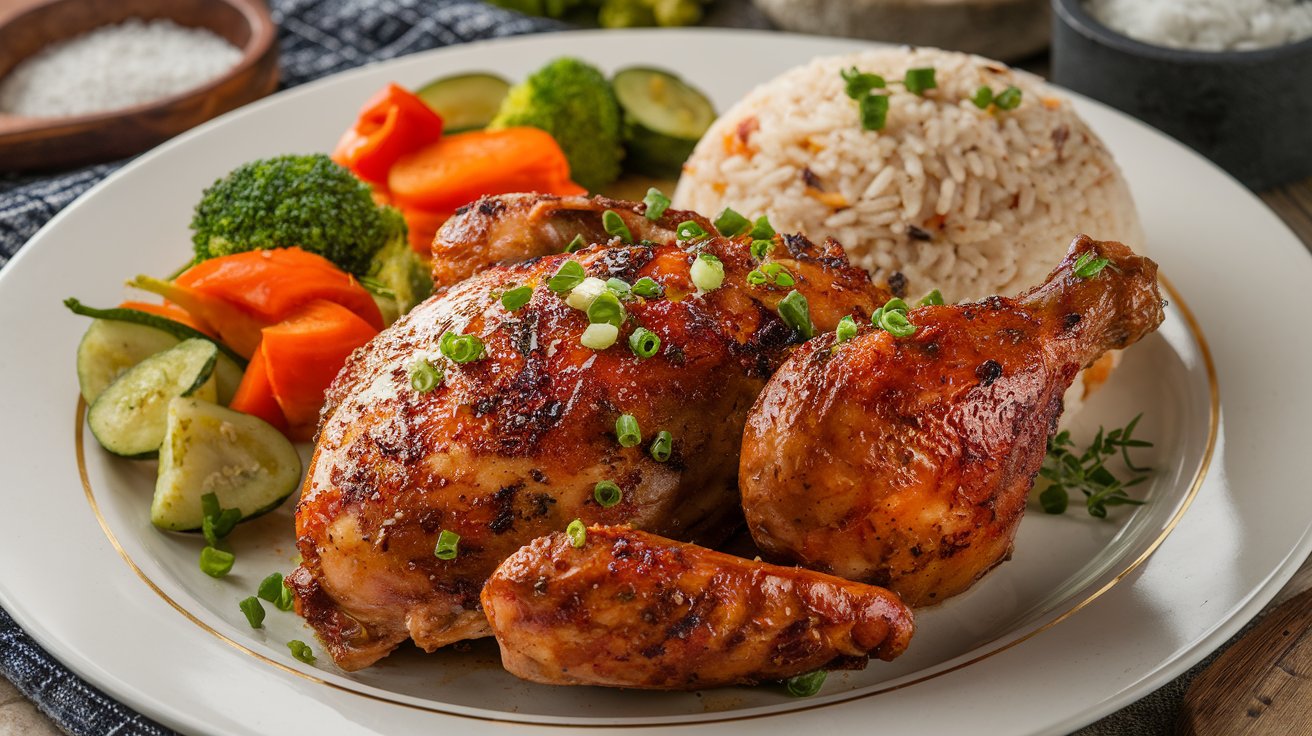
Jerk chicken is made of a unique blend of Caribbean spices including allspice berries, scotch bonnet peppers, thyme, garlic, ginger, and brown sugar. This authentic Jamaican marinade creates the distinctive smoky, spicy, and sweet flavor that makes jerk chicken one of the most beloved dishes in Caribbean cuisine across the United States in 2026.
Essential Jerk Chicken Spice Components
The foundation of authentic jerk chicken lies in its carefully balanced spice mixture that has been perfected over centuries in Jamaica. The primary ingredients include allspice berries (also called pimento), which provide the characteristic earthy and sweet undertones. Scotch bonnet peppers deliver the signature heat level, typically ranging from 100,000 to 350,000 Scoville units. Fresh thyme adds herbaceous notes while brown sugar balances the heat with sweetness.
Additional core components include fresh garlic, ginger root, lime juice, and soy sauce, which work together to create the complex flavor profile. The jerk chicken marinade also incorporates cinnamon, nutmeg, and cloves for warmth and depth. In 2026, many American households have adopted this traditional recipe, with over 68% of Caribbean restaurants in major US cities serving authentic jerk preparations according to recent culinary surveys.
Primary Spice Blend Ingredients
The jerk seasoning blend starts with ground allspice as the base, typically comprising 30-40% of the total mixture. Dried thyme leaves make up another 15-20%, while ground scotch bonnet pepper powder accounts for 10-15% depending on desired heat level. Brown sugar represents about 20% of the blend, providing essential caramelization during cooking. Salt content usually ranges from 8-12% to enhance flavor penetration and preservation.
Fresh Marinade Components
Fresh ingredients elevate the jerk chicken marinade beyond dry spices alone. Minced garlic and ginger form the aromatic foundation, while fresh lime juice provides acidity for tenderizing the meat. Soy sauce adds umami depth and helps achieve the characteristic dark color. Green onions, or scallions, contribute a mild onion flavor without overwhelming the other components. These fresh elements must be balanced carefully to create the authentic taste profile.
Traditional Jamaican Jerk Preparation Methods
Authentic Jamaican jerk chicken preparation involves more than just applying spices to meat. The traditional method requires creating a wet marinade that penetrates deep into the chicken fibers over several hours or overnight. The chicken is typically scored or pierced to allow maximum flavor absorption. Traditional cooking occurs over pimento wood fires, which impart additional smoky flavors that complement the spice blend.
Modern American adaptations have successfully recreated these methods using standard grills and ovens. The key lies in maintaining proper marination time and cooking temperature. Jerk chicken should be cooked at medium-high heat to develop the signature charred exterior while keeping the interior moist and flavorful.
Marination Time and Techniques
Proper marination for authentic jerk chicken requires minimum 4 hours, though 12-24 hours produces optimal results. The chicken should be completely coated with marinade and stored in refrigerated conditions. Turning the meat every few hours ensures even distribution. Professional chefs recommend using non-reactive containers like glass or plastic to prevent metallic flavors from affecting the marinade.
Cooking Temperature and Time Guidelines
Achieving perfect jerk chicken requires cooking at 375-400°F for bone-in pieces, with internal temperature reaching 165°F for food safety. Cooking time varies from 25-35 minutes depending on chicken size. The exterior should develop a dark, caramelized crust while maintaining juicy interior meat. Basting with reserved marinade during cooking enhances flavor development and prevents drying.
Health Benefits and Nutritional Content
Many Americans wonder about jerk chicken health benefits in 2026. The spice blend offers significant nutritional advantages, including anti-inflammatory properties from ginger and turmeric. Allspice berries contain antioxidants that support immune function. Garlic provides cardiovascular benefits while scotch bonnet peppers boost metabolism through capsaicin content.
A typical 6-ounce serving of jerk chicken contains approximately 285 calories, 45 grams of protein, and minimal carbohydrates. The sodium content varies based on preparation method, ranging from 580-780mg per serving. When prepared with lean chicken breast and minimal added oils, jerk chicken represents a healthy protein option for weight management and muscle building.
Difference Between Jerk and Regular Chicken
The primary difference between jerk chicken and regular chicken lies in the complex spice marinade and cooking method. Regular seasoned chicken typically uses simple salt, pepper, and basic herbs, while jerk preparation requires the specific Caribbean spice blend with scotch bonnet peppers. The marination process for jerk chicken is also significantly longer and more involved.
Flavor profiles differ dramatically, with jerk chicken offering heat, sweetness, and smoky undertones simultaneously. Regular chicken preparations focus on enhancing the natural meat flavor rather than creating a completely new taste experience. Cooking methods also vary, as authentic jerk chicken requires high-heat grilling or roasting to develop the characteristic charred exterior.
Flavor Profile Comparisons
Standard chicken preparations emphasize the natural poultry flavor with light seasoning enhancement. Jerk chicken taste completely transforms the meat with layers of spicy heat, sweet caramelization, and aromatic herbs. The scotch bonnet peppers provide a fruity heat different from common hot sauces. This complexity makes jerk chicken a distinctive culinary experience rather than simple seasoned protein.
Preparation Time and Complexity
Regular chicken can be seasoned and cooked immediately, while authentic jerk chicken recipe requires advance planning for proper marination. The spice blend preparation alone takes 15-20 minutes, followed by 4-24 hours of marination time. This extended process creates deeper flavor penetration but requires more kitchen planning compared to standard chicken preparations.
Regional Variations Across America
American jerk chicken preparations have evolved to accommodate local tastes and ingredient availability. Southern US versions often incorporate barbecue elements, while West Coast interpretations may include Asian influences. Northeast urban areas tend to maintain more authentic Jamaican preparations due to larger Caribbean immigrant populations.
Regional spice availability affects preparation methods, with some areas substituting jalapeños or habaneros when scotch bonnet peppers aren’t available. Despite these adaptations, the core principle of jerk seasoning remains consistent across variations. Food trucks and Caribbean restaurants have popularized authentic preparations in major metropolitan areas throughout 2026.
Modern Jerk Chicken Trends in 2026
The jerk chicken market in America has expanded significantly, with plant-based alternatives and fusion preparations gaining popularity. Health-conscious consumers seek lower-sodium versions while maintaining authentic flavors. Air fryer adaptations have made home preparation more accessible, reducing cooking time while preserving the characteristic taste profile.
Social media influence has increased interest in authentic jerk chicken recipe sharing, with Caribbean food influencers demonstrating traditional techniques. Meal kit services now offer pre-measured jerk spice blends, making authentic preparation more convenient for busy American households. Restaurant chains have also embraced jerk flavoring for wings, bowls, and sandwich applications.
Related video about what is jerk chicken made of
This video complements the article information with a practical visual demonstration.
Most asked questions about what is jerk chicken made of
What is in a jerk chicken marinade?
A traditional jerk chicken marinade contains allspice berries, scotch bonnet peppers, fresh thyme, garlic, ginger, brown sugar, lime juice, soy sauce, and various spices like cinnamon and nutmeg. The key is balancing heat, sweetness, and aromatic herbs to create the authentic Caribbean flavor profile.
How spicy is jerk chicken compared to other dishes?
Jerk chicken typically ranks medium to hot on the spice scale, with scotch bonnet peppers providing 100,000-350,000 Scoville units. This makes it spicier than jalapeño-based dishes but milder than ghost pepper preparations. The heat level can be adjusted by reducing pepper content while maintaining other flavor components.
Is jerk chicken healthy for regular consumption?
Jerk chicken is relatively healthy when prepared with lean cuts and minimal added oils. The spice blend provides antioxidants and anti-inflammatory compounds. A 6-ounce serving contains about 285 calories and 45 grams of protein. However, sodium content can be high, so those watching sodium intake should moderate consumption.
Can I make jerk chicken without scotch bonnet peppers?
While scotch bonnet peppers provide the authentic flavor, you can substitute with habanero or jalapeño peppers plus a pinch of fruity hot sauce. The heat level and slightly fruity taste won’t be identical, but the overall jerk seasoning profile can still be achieved with proper spice balance.
How long should I marinate chicken for jerk preparation?
Minimum marination time is 4 hours for adequate flavor penetration, but 12-24 hours produces the best results. The acidic components in lime juice help tenderize the meat while spices penetrate deeper. Avoid marinating longer than 48 hours as the acid can make the texture mushy.
What’s the difference between dry jerk seasoning and wet marinade?
Dry jerk seasoning consists of ground spices applied directly to meat, while wet marinade combines fresh ingredients like garlic, ginger, and lime juice with spices. Wet marinades penetrate deeper and create more complex flavors, while dry seasoning is convenient for quick preparation and storage.
| Key Component | Purpose in Recipe | Flavor Contribution |
|---|---|---|
| Allspice Berries | Base spice foundation | Earthy, warm sweetness |
| Scotch Bonnet Peppers | Primary heat source | Fruity, intense spice |
| Fresh Thyme | Aromatic herb element | Herbaceous, earthy notes |
| Brown Sugar | Heat balance and caramelization | Sweetness, char development |
| Garlic & Ginger | Aromatic base | Pungent, warming spice |