Allspice is a versatile spice that brings warm, complex flavors to countless dishes worldwide. Derived from dried pimento berries, this single spice combines notes of cinnamon, nutmeg, and cloves, making it an essential ingredient in both sweet and savory cooking applications.
Understanding Allspice: Origins and Flavor Profile
Native to the Caribbean and Central America, allspice berries come from the Pimenta dioica tree. The spice earned its name because its complex flavor resembles a combination of multiple warm spices. When ground, allspice delivers earthy, sweet, and slightly peppery notes that enhance both sweet desserts and savory main dishes.
The aromatic compounds in allspice include eugenol, which gives it clove-like qualities, and cineole, contributing to its fresh, camphor-like undertones. This unique chemical composition makes allspice particularly effective in marinades and spice blends where depth of flavor is desired.
Caribbean and Latin American Cooking Applications
In Caribbean cuisine, allspice is fundamental to authentic jerk seasoning, which combines the spice with scotch bonnet peppers, thyme, and garlic. Jamaican jerk chicken and pork rely heavily on allspice for their distinctive smoky-sweet flavor profile that has become globally recognized.
Latin American dishes frequently incorporate whole allspice berries in slow-cooked stews, rice dishes, and meat preparations. Mexican mole sauces often include ground allspice to add complexity to their rich, multi-layered flavor profiles.
Jerk Seasoning and Marinades
Traditional jerk seasoning combines ground allspice with brown sugar, soy sauce, and lime juice to create penetrating marinades. The spice’s natural oils help tenderize proteins while infusing them with authentic Caribbean flavors that develop beautifully during grilling or smoking processes.
Rice and Bean Dishes
Caribbean rice and peas dishes rely on whole allspice berries simmered with coconut milk and kidney beans. The berries release their essential oils slowly during cooking, creating aromatic, flavorful rice that serves as a perfect accompaniment to grilled meats and seafood.
European and American Baking Applications
European baking traditions extensively use ground allspice in holiday cookies, fruit cakes, and spice breads. German lebkuchen, British Christmas puddings, and Scandinavian pepparkakor all depend on allspice for their characteristic warm, festive flavors that define traditional holiday baking.
American apple pies, pumpkin spice blends, and gingerbread recipes commonly include allspice as a key ingredient. The spice pairs exceptionally well with cinnamon and nutmeg in sweet applications, creating the complex flavor profiles associated with autumn and winter desserts.
Pie Spice Blends and Desserts
Classic American pie spice blends typically contain allspice combined with cinnamon, nutmeg, and ginger. This combination enhances apple, pear, and pumpkin desserts while providing the warming qualities that make these treats perfect for cooler weather entertaining.
Holiday Baking Traditions
During the 2026 holiday season, allspice remains essential in traditional European cookies and cakes. German stollen, Italian panettone variations, and British mince pies all incorporate allspice to achieve their distinctive seasonal flavors that connect modern baking to centuries-old traditions.
Savory Meat and Vegetable Dishes
Savory cooking applications for allspice include pot roasts, braised meats, and hearty stews where its warm notes complement rich, slow-cooked flavors. Middle Eastern cuisine uses allspice in spice blends for lamb dishes and stuffed vegetables like grape leaves and eggplant.
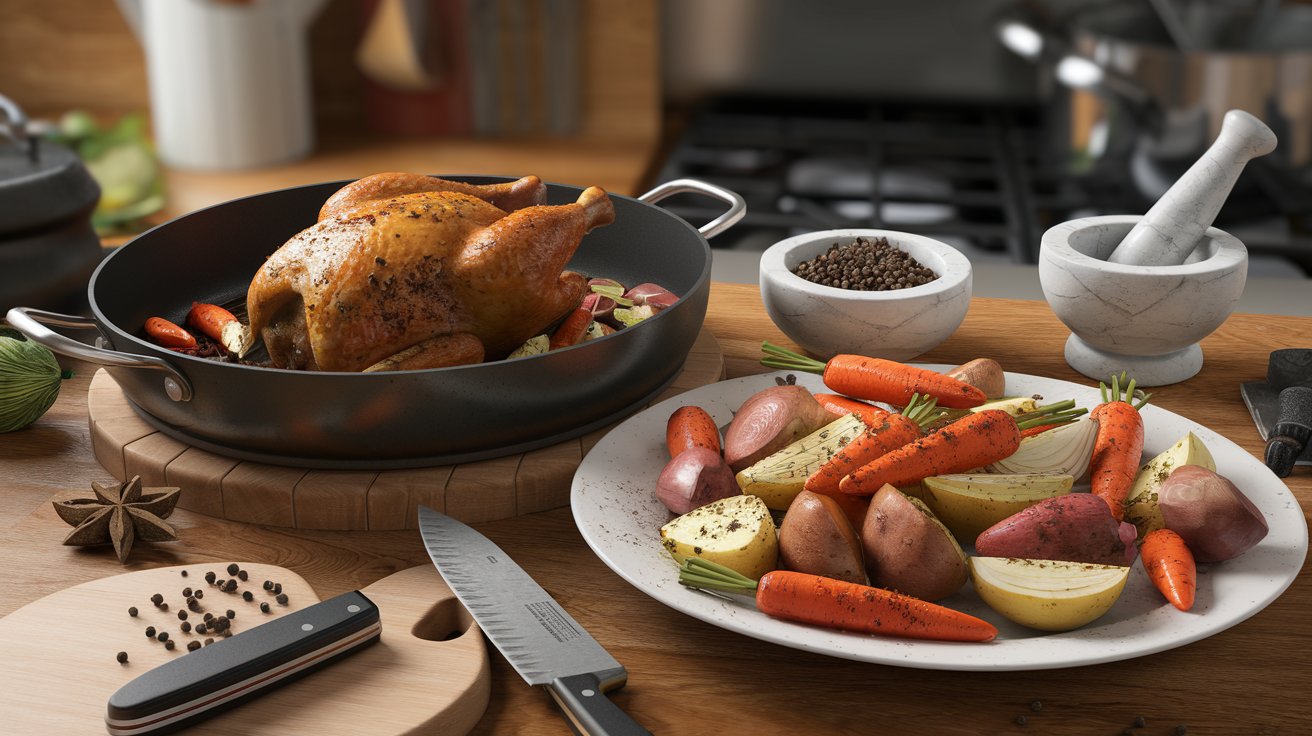
Vegetarian and vegan dishes benefit from allspice’s complex flavor in roasted root vegetables, lentil stews, and grain-based salads. The spice adds depth to plant-based proteins and helps create satisfying, flavorful meals without relying on meat for taste complexity.
Pickling and Preservation Uses
Traditional pickling recipes rely on whole allspice berries to add aromatic complexity to preserved vegetables and fruits. Pickled beets, cucumbers, and mixed vegetables benefit from allspice’s antimicrobial properties while gaining distinctive flavors that develop during the pickling process.
Modern home preserving enthusiasts use allspice in chutneys and relishes where its warm notes balance acidic ingredients like vinegar and citrus. The spice helps create well-rounded condiments that complement both casual and formal dining experiences.
Vegetable Pickling Applications
Cucumber pickles enhanced with allspice berries develop complex flavors that surpass simple dill pickles. The spice works particularly well in bread and butter pickle recipes where sweet and tangy elements require balancing with warm, aromatic notes.
Fruit Preserves and Chutneys
Apple and pear chutneys incorporate ground allspice to complement their natural sweetness while adding complexity that pairs beautifully with cheese plates and roasted meats. The spice’s natural preservation qualities also help extend the shelf life of homemade preserves.
Beverage and Cocktail Applications
Hot beverages like mulled wine, cider, and tea blends commonly feature allspice berries for their warming qualities and aromatic properties. The spice infuses slowly in hot liquids, releasing essential oils that create comforting, festive drinks perfect for cold weather entertaining.
Modern craft cocktails increasingly incorporate allspice dram, a liqueur made from the spice, to add complexity to rum-based drinks and tiki cocktails. Bartenders value allspice for its ability to bridge sweet and spicy flavor profiles in innovative cocktail creations.
Storage and Usage Tips for Maximum Flavor
Proper storage of whole allspice berries in airtight containers away from light and heat preserves their potent essential oils for up to three years. Ground allspice loses potency more quickly and should be replaced every 12-18 months for optimal flavor impact in cooking applications.
To maximize flavor extraction, lightly crush allspice berries before adding to slow-cooked dishes or marinades. This technique releases more aromatic compounds while maintaining the berries’ structural integrity for easy removal after cooking is complete.
Related video about what is allspice used for cooking
This video complements the article information with a practical visual demonstration.
Most asked questions about what is allspice used for cooking
Can I substitute allspice for other spices in recipes?
Yes, you can substitute allspice with a blend of equal parts cinnamon, nutmeg, and cloves. However, this combination won’t perfectly replicate allspice’s unique flavor profile. Use ¾ the amount of the substitute blend compared to the original allspice quantity called for in recipes.
What’s the difference between whole and ground allspice?
Whole allspice berries retain their essential oils longer and provide more potent flavor when freshly ground. They’re ideal for long-cooking dishes and pickling. Ground allspice offers convenience for baking and quick-cooking applications but loses potency faster than whole berries.
How much allspice should I use in cooking?
Start with ¼ teaspoon ground allspice per pound of meat or 4-6 servings of vegetables. For baking, use ½ teaspoon per cup of flour. Allspice is potent, so begin with smaller amounts and adjust to taste, as too much can overwhelm other flavors.
Does allspice work well with other spices?
Allspice pairs excellently with cinnamon, nutmeg, ginger, cloves, and black pepper in sweet applications. For savory dishes, it complements thyme, garlic, bay leaves, and chili peppers. Avoid combining with delicate herbs like basil or cilantro that might be overpowered.
Is allspice the same as mixed spice or pumpkin pie spice?
No, allspice is a single spice from pimento berries, while mixed spice and pumpkin pie spice are blends containing multiple spices including allspice. These blends typically combine allspice with cinnamon, nutmeg, ginger, and sometimes other spices for specific culinary applications.
| Culinary Application | Best Form to Use | Flavor Benefit |
|---|---|---|
| Caribbean Jerk Seasoning | Ground Allspice | Authentic smoky-sweet depth |
| Holiday Baking | Ground Allspice | Warm festive complexity |
| Pickling Vegetables | Whole Berries | Aromatic preservation enhancement |
| Braised Meats | Whole or Ground | Rich savory depth |
| Hot Beverages | Whole Berries | Warming aromatic infusion |