Caribbean cuisine represents one of the world’s most diverse culinary traditions, shaped by centuries of cultural exchange and migration. The fusion of Indigenous heritage, African traditions, European colonization, and East Indian immigration created the vibrant flavors that define Caribbean food today. Understanding these cultural influences reveals how geography, history, and human migration combined to create a unique gastronomic identity across the Caribbean islands.
Indigenous Taíno and Arawak Culinary Foundations
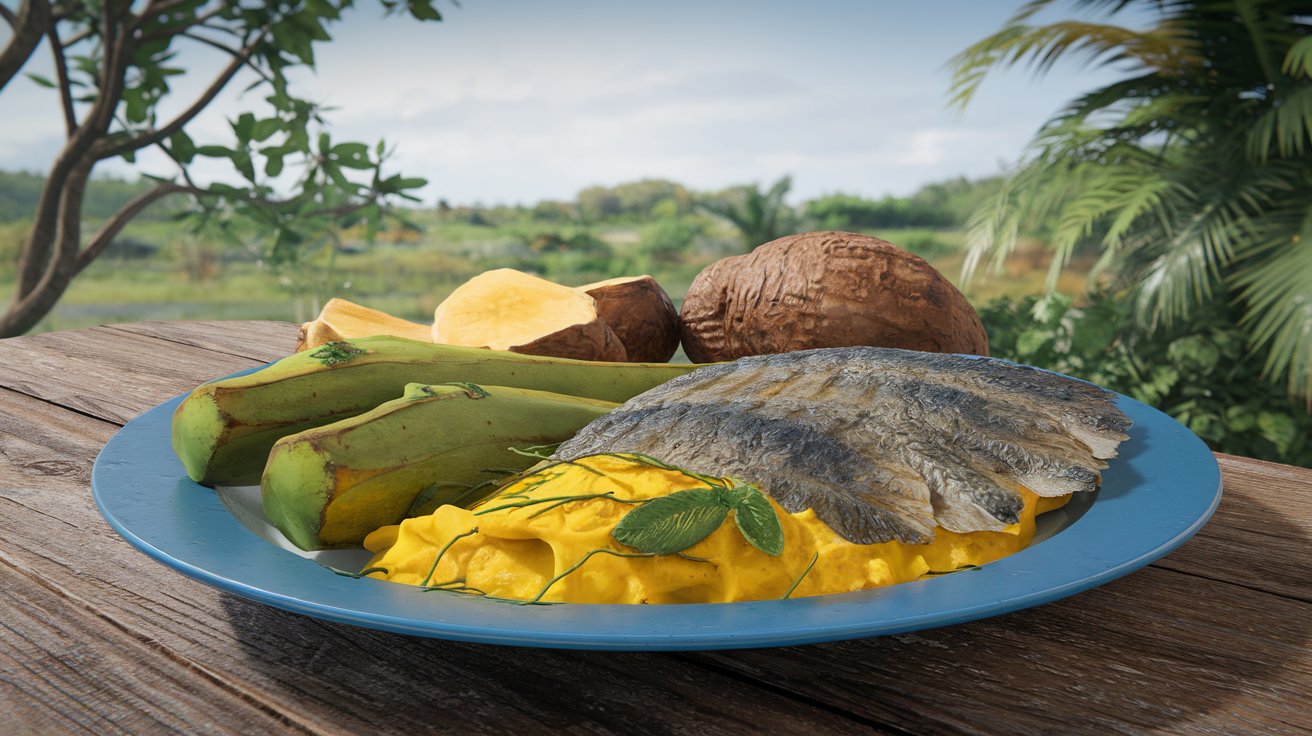
The Indigenous heritage of the Caribbean forms the foundational layer of regional cuisine, predating all other cultural influences by thousands of years. The Taíno, Arawak, and Carib peoples developed sophisticated agricultural and cooking techniques perfectly adapted to the tropical climate. Their cultivation of cassava, sweet potatoes, corn, and various tropical fruits established the agricultural framework that continues to define Caribbean food production in 2026.
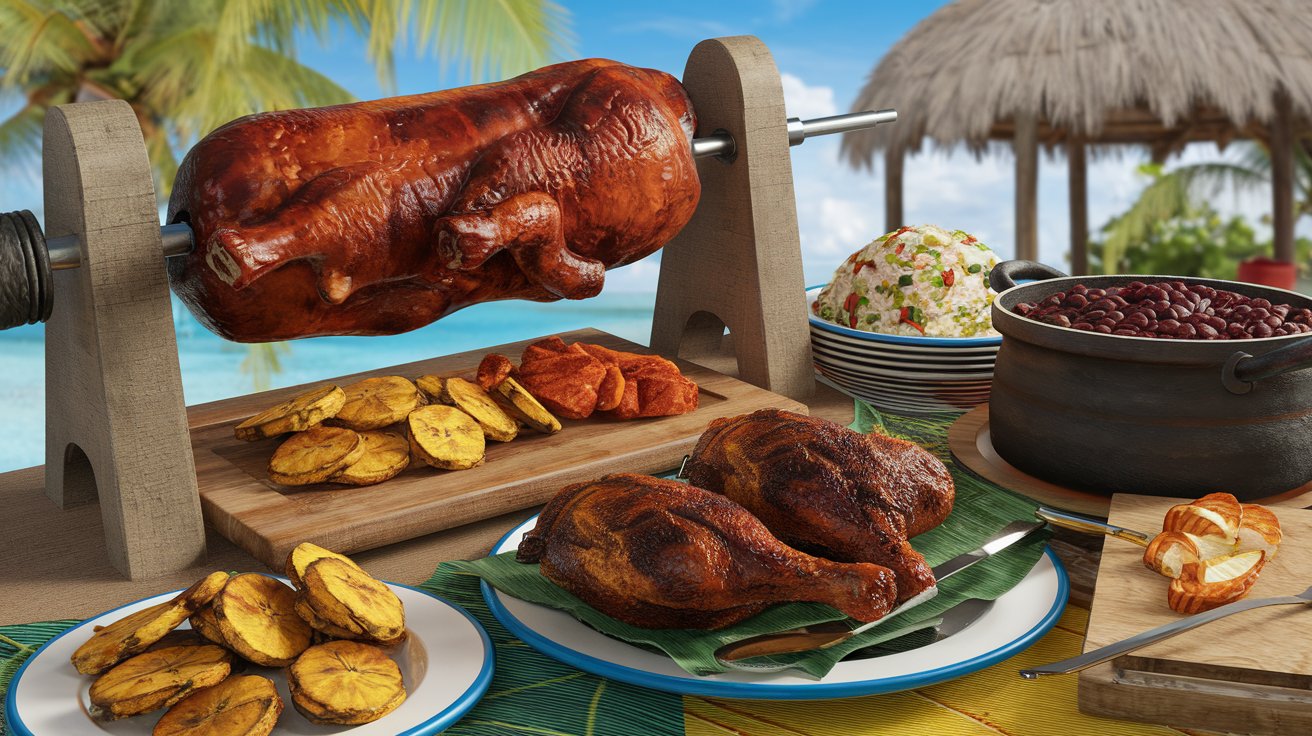
These Indigenous communities introduced essential cooking methods including barbacoa grilling, which evolved into modern Caribbean barbecue traditions. The use of clay pots for slow cooking, fish preservation techniques, and the integration of wild herbs and spices created flavor profiles that persist in contemporary Caribbean cooking. Their sustainable farming practices and understanding of seasonal ingredients continue to influence modern Caribbean agricultural approaches.
African Culinary Influence and Cooking Techniques
The African influence on Caribbean cuisine represents the most profound and lasting cultural impact, introduced through the tragic history of the Atlantic slave trade. Enslaved Africans brought sophisticated culinary knowledge from West and Central Africa, adapting their traditional recipes and cooking methods to available Caribbean ingredients. This cultural fusion created many signature dishes that define Caribbean food identity today.
African cooking techniques transformed Caribbean kitchens through the introduction of one-pot meals, complex spice combinations, and preservation methods. The use of okra, plantains, and yams became central to Caribbean cooking, while African-derived seasonings like scotch bonnet peppers and allspice berries created the distinctive heat and flavor profiles. Traditional African cooking vessels and methods, adapted to Caribbean conditions, continue to influence modern cooking practices across the region.
West African Spice Traditions
West African spice traditions fundamentally shaped Caribbean seasoning profiles, introducing complex spice blends that became signature elements of regional cuisine. The use of hot peppers, aromatic herbs, and bold seasoning combinations created the distinctive flavor intensity that characterizes Caribbean cooking. These traditions evolved through generations, creating unique island-specific spice blends that maintain African roots while incorporating local ingredients.
African Cooking Methods and Food Preservation
Traditional African cooking methods adapted to Caribbean conditions created innovative food preparation techniques that maximized flavor and nutrition. Smoking, salt-curing, and fermentation methods developed in Africa proved essential for food preservation in the tropical Caribbean climate. These techniques evolved into signature Caribbean preparations like jerk seasoning and curry marinades that continue to define regional cuisine in 2026.
Spanish Colonial Culinary Legacy
Spanish colonial influence established fundamental cooking techniques and ingredients that continue to shape Caribbean cuisine throughout the region. Spanish colonizers introduced rice cultivation, citrus fruits, and domesticated animals including pork, beef, and chicken, which became central to Caribbean protein sources. The Spanish tradition of sofrito, a aromatic base of sautéed vegetables and herbs, became integral to countless Caribbean dishes.
The Spanish colonial period introduced European cooking methods including advanced bread-making techniques, dairy processing, and wine production that influenced Caribbean food culture. Spanish-style stews, rice dishes, and meat preparations blended with local ingredients to create distinctive fusion cuisines. The tradition of communal cooking and elaborate feast preparations during religious and cultural celebrations reflects ongoing Spanish cultural influence in Caribbean food traditions.
French Culinary Contributions and Techniques
French culinary contributions elevated Caribbean cooking through sophisticated sauce-making techniques, pastry traditions, and refined cooking methods that distinguish Francophone Caribbean islands. French colonial influence introduced advanced dairy techniques, wine-based cooking, and elaborate dessert preparations that created unique Caribbean-French fusion cuisine. The French tradition of using fresh herbs, butter-based sauces, and precise cooking techniques significantly influenced island cooking styles.
French influence particularly shaped the cuisine of Martinique, Guadeloupe, and Haiti, where traditional French cooking methods merged with local ingredients to create distinctive regional specialties. The French approach to bread-making, cheese production, and wine appreciation established culinary traditions that continue to influence Caribbean food culture in 2026. French-inspired cooking techniques and presentation styles elevated Caribbean cuisine from subsistence cooking to sophisticated culinary art.
British Colonial Food Culture and Dietary Patterns
British colonial influence shaped Caribbean food culture through the introduction of specific dietary patterns, meal structures, and cooking preferences that became embedded in daily life across English-speaking Caribbean islands. British traditions of afternoon tea, formal dinner customs, and specific meat preparations influenced social dining customs that persist in modern Caribbean culture. The British preference for certain spices, cooking methods, and food presentation created lasting impacts on Caribbean culinary development.
British colonial administration also influenced food distribution systems and agricultural policies that shaped which crops were prioritized and how food markets developed. The British tradition of preserving meats, making jams and jellies, and creating hearty stews adapted to tropical conditions, creating hybrid British-Caribbean dishes. These influences remain visible in contemporary Caribbean cooking, particularly in former British colonies where traditional British dishes evolved into unique Caribbean variations.
Dutch Trading Influence and Spice Commerce
Dutch trading influence significantly impacted Caribbean cuisine through the introduction of global spice networks and innovative food preservation techniques. Dutch colonial presence in islands like Curaçao, Aruba, and Sint Maarten established important trading connections that brought Asian spices, European cooking techniques, and global food influences to the Caribbean region. The Dutch tradition of cheese-making and dairy processing introduced new protein sources and cooking ingredients.
The Dutch expertise in international spice trading made exotic spices and seasonings more accessible throughout the Caribbean, enriching local flavor profiles and cooking possibilities. Dutch influence also introduced specific cooking techniques including advanced baking methods, beer brewing, and unique meat preservation techniques that adapted well to tropical conditions. The Dutch approach to combining different cultural food traditions created some of the most internationally diverse Caribbean cuisines.
East Indian Heritage and Curry Traditions
East Indian heritage represents one of the most significant and transformative cultural influences on Caribbean cuisine, introduced through indentured labor migration during the 19th and early 20th centuries. Indian immigrants brought sophisticated curry-making techniques, complex spice combinations, and vegetarian cooking traditions that revolutionized Caribbean food culture. The adaptation of traditional Indian recipes to Caribbean ingredients created entirely new cuisine categories that define modern Caribbean cooking.
Indian influence introduced curry powder blends, roti bread-making techniques, and extensive use of legumes and vegetables that expanded Caribbean dietary diversity and nutritional value. Traditional Indian cooking methods including tandoor-style cooking, complex rice preparations, and elaborate spice grinding techniques became integral to Caribbean cuisine. The Indian tradition of using coconut milk, fresh herbs, and aromatic spices created some of the most popular and internationally recognized Caribbean dishes.
Traditional Indian Spice Blending Techniques
Traditional Indian spice blending revolutionized Caribbean seasoning by introducing complex curry powder combinations and aromatic spice pastes that became central to Caribbean cooking. Indian techniques for toasting, grinding, and combining spices created new flavor dimensions that distinguished Caribbean curry from other world cuisines. These spice-blending traditions continue to evolve in 2026, with Caribbean cooks developing unique regional variations that maintain Indian roots while incorporating local ingredients.
Indian Bread-Making and Rice Cooking Methods
Indian bread-making techniques introduced roti, naan, and other flatbread traditions that became staple foods throughout the Caribbean region. Indian rice cooking methods, including pilaf and biryani preparations, elevated Caribbean rice dishes beyond simple Spanish-influenced preparations. These cooking techniques required specialized knowledge and equipment that immigrant communities maintained and adapted to Caribbean conditions, creating unique hybrid cooking traditions.
Chinese Immigration and Cooking Techniques
Chinese immigration to the Caribbean introduced distinctive cooking techniques, ingredients, and flavor combinations that created another significant layer of cultural influence on regional cuisine. Chinese immigrants brought wok cooking methods, soy-based seasonings, and specific vegetable preparation techniques that adapted perfectly to Caribbean ingredients and climate conditions. The Chinese tradition of quick cooking methods and fresh ingredient combinations influenced Caribbean cooking styles significantly.
Chinese influence expanded Caribbean cuisine through the introduction of new cooking equipment including woks and steamers, as well as cooking techniques like stir-frying and steaming that preserved nutritional value while creating distinctive textures. Chinese-Caribbean fusion cuisine emerged as Chinese cooking methods combined with local ingredients, creating popular dishes that became integral to Caribbean food culture across multiple islands.
Middle Eastern and Lebanese Cultural Impact
Middle Eastern and Lebanese immigration brought another significant cultural influence to Caribbean cuisine, particularly through the introduction of specific spice combinations, bread-making techniques, and meat preparation methods. Lebanese immigrants introduced kibbeh, tabouleh, and other traditional dishes that adapted to Caribbean ingredients while maintaining authentic flavor profiles. The Lebanese tradition of using fresh herbs, olive oil, and complex spice combinations enriched Caribbean cooking possibilities.
Lebanese influence also introduced new business models for food service and distribution that influenced how Caribbean food culture developed commercially. Lebanese entrepreneurs established restaurants, food markets, and catering services that helped spread Lebanese-Caribbean fusion cuisine throughout the region. The Lebanese approach to combining fresh vegetables, grains, and spiced meats created healthy, flavorful options that became popular throughout Caribbean communities.
Modern Caribbean Cuisine Evolution in 2026
Modern Caribbean cuisine evolution in 2026 reflects ongoing cultural exchange and adaptation as Caribbean communities continue to innovate while maintaining traditional cultural influences. Contemporary Caribbean chefs combine historical influences with modern cooking techniques, health consciousness, and global food trends to create exciting new interpretations of classic dishes. The integration of sustainable agriculture, organic ingredients, and plant-based alternatives demonstrates how Caribbean cuisine continues evolving.
Current trends in Caribbean cuisine innovation include the revival of Indigenous cooking techniques, fusion with contemporary international cuisines, and the development of health-conscious versions of traditional dishes. Social media and global connectivity allow Caribbean cooks to share techniques and recipes internationally, spreading Caribbean food culture while also incorporating new influences from worldwide culinary traditions. This ongoing evolution ensures that Caribbean cuisine remains dynamic and relevant in the global food landscape.
Related video about what cultures influenced caribbean cuisine
This video complements the article information with a practical visual demonstration.
Most asked questions about what cultures influenced caribbean cuisine
What is Caribbean cuisine influenced by?
Caribbean cuisine is influenced by Indigenous Taíno and Arawak traditions, African cooking techniques from West and Central Africa, Spanish colonial culinary methods, French sophisticated cooking styles, British dietary patterns, Dutch spice trading, East Indian curry and spice traditions, Chinese cooking techniques, and Middle Eastern flavoring methods. This unique fusion creates the diverse flavors that define Caribbean food culture.
What are the cultural influences on Caribbean culture?
Caribbean culture reflects influences from Indigenous peoples who first inhabited the islands, African cultures brought through slavery, European colonial powers including Spain, France, Britain, and the Netherlands, East Indian traditions from indentured laborers, Chinese immigration communities, and Middle Eastern influences particularly from Lebanese immigrants. Each culture contributed distinct elements including cooking methods, spices, ingredients, and food traditions.
What fusion of culture does Caribbean food come from?
Caribbean food represents a fusion of Indigenous agricultural techniques, African spice traditions and cooking methods, European colonial cooking styles and ingredients, East Indian curry and vegetarian traditions, Chinese stir-frying and steaming techniques, and Middle Eastern spice combinations. This multicultural fusion occurred over centuries through colonization, slavery, indentured labor, and voluntary immigration, creating unique hybrid cuisines across different Caribbean islands.
What are the cultural influences on Jamaican food?
Jamaican food reflects strong African influences through jerk seasoning and one-pot cooking methods, Indigenous Taíno agricultural traditions including cassava and sweet potatoes, Spanish colonial ingredients like citrus and rice, British colonial dietary patterns, East Indian curry traditions from indentured laborers, and Chinese cooking techniques. The combination of scotch bonnet peppers, allspice, and complex spice blends creates Jamaica’s distinctive flavor profile.
How did African culture influence Caribbean cuisine?
African culture profoundly influenced Caribbean cuisine through traditional cooking techniques like one-pot meals and complex spice combinations, ingredients including okra, plantains, and yams, preservation methods adapted to tropical climates, the use of hot peppers and aromatic herbs, and communal cooking traditions. African cooking knowledge combined with local Caribbean ingredients to create many signature dishes that remain central to Caribbean cuisine today.
What role did indentured Indian laborers play in Caribbean food culture?
Indian indentured laborers introduced curry-making techniques, complex spice blending methods, roti bread-making traditions, vegetarian cooking practices, rice preparation techniques, and the extensive use of coconut milk and fresh herbs. Their culinary contributions created entirely new categories of Caribbean cuisine and established curry dishes as fundamental elements of Caribbean food culture, particularly in Trinidad, Guyana, and Suriname.
| Cultural Influence | Key Contributions | Lasting Impact |
|---|---|---|
| Indigenous Taíno/Arawak | Agricultural foundations, barbacoa grilling, cassava cultivation | Sustainable farming practices, tropical ingredient use |
| African Heritage | Spice combinations, one-pot cooking, preservation techniques | Signature seasonings, cooking methods, flavor profiles |
| Spanish Colonial | Rice cultivation, citrus fruits, sofrito techniques | Fundamental cooking bases, protein sources |
| French Culinary | Sophisticated sauces, pastry traditions, refined techniques | Elevated cooking standards, culinary sophistication |
| East Indian Heritage | Curry traditions, spice blending, vegetarian cooking | Complex spice use, curry culture, dietary diversity |