The history of Caribbean cuisine represents a fascinating culinary journey spanning centuries of cultural fusion. This unique food culture emerged from the blending of indigenous Taíno traditions with African influences, European colonial flavors, and Asian immigrant contributions. Understanding these diverse origins reveals why Caribbean cuisine has become one of the world’s most distinctive and flavorful culinary traditions, offering insights into the complex social and economic forces that shaped the region’s gastronomic identity.
Indigenous Foundations: The Taíno Culinary Legacy
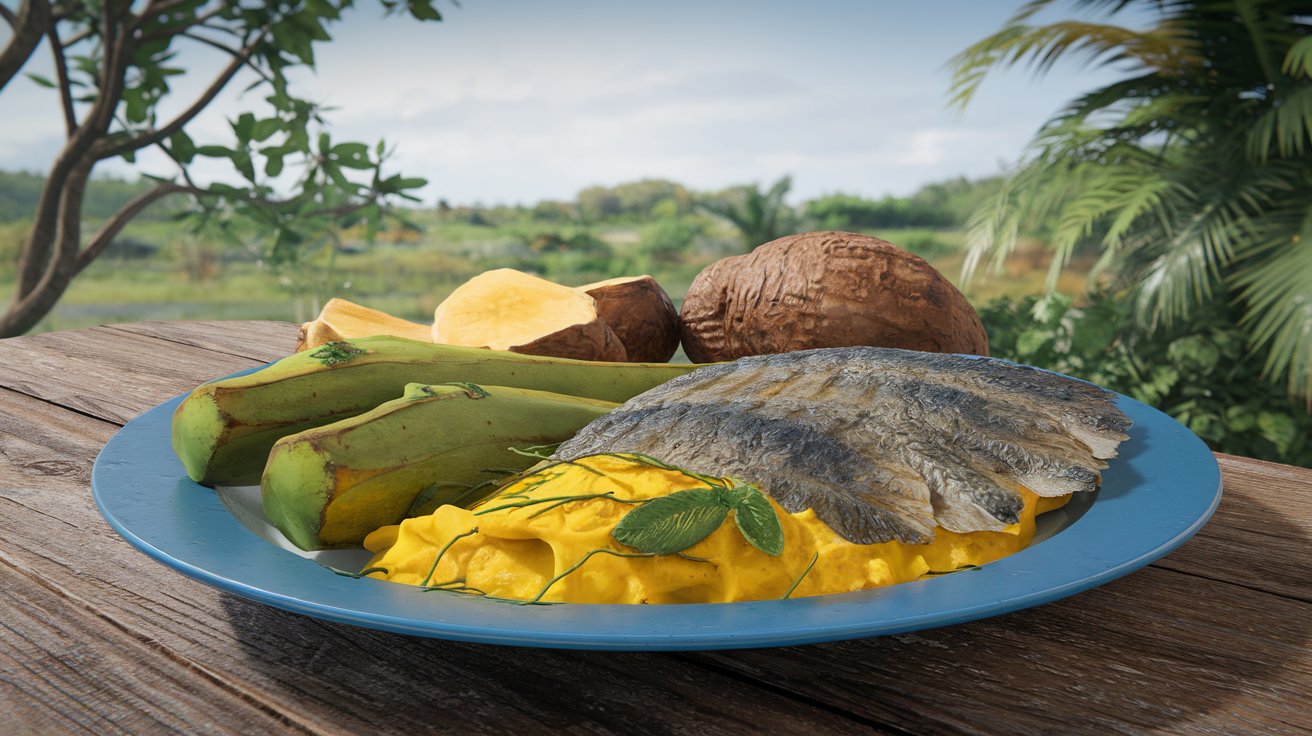
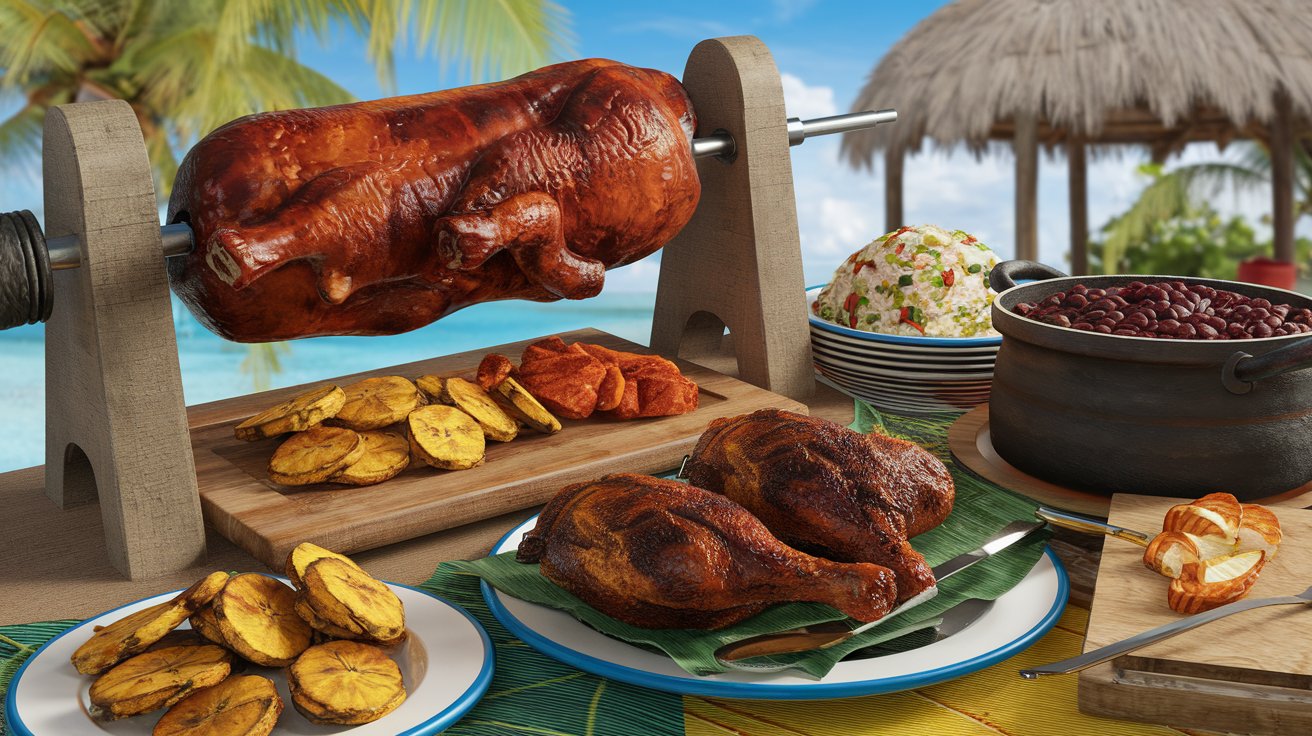
The origins of Caribbean cuisine begin with the indigenous Taíno people who inhabited the islands before European colonization. These skilled agriculturalists cultivated cassava, sweet potatoes, corn, and various tropical fruits that remain staples in modern Caribbean cooking. The Taíno developed sophisticated cooking techniques including barbacoa, the origin of modern barbecue, and created the first versions of what would become iconic Caribbean dishes. Their use of spices like allspice and their method of cooking meat over wood fires established foundational flavors that continue to define Caribbean food culture today.
Archaeological evidence from 2026 research indicates that Taíno communities developed complex agricultural systems supporting populations of over 3 million people across the Caribbean islands. Their food preparation methods included smoking, grilling, and boiling techniques that maximized nutrition while preserving food in tropical climates. The indigenous practice of combining root vegetables with proteins and using natural seasonings created the template for many contemporary Caribbean recipes that appear on every comprehensive Caribbean food list.
African Culinary Influences: The Backbone of Caribbean Flavor
The forced migration of millions of Africans to the Caribbean between the 16th and 19th centuries brought profound culinary influences that fundamentally shaped regional cuisine. Enslaved Africans introduced okra, plantains, yams, and various cooking techniques including one-pot meals and spice blending methods. Their knowledge of preserving and seasoning foods with limited resources created many signature Caribbean dishes. The African tradition of using every part of an animal and maximizing flavors with minimal ingredients became central to Caribbean cuisine history and explains the resourceful nature of traditional recipes.
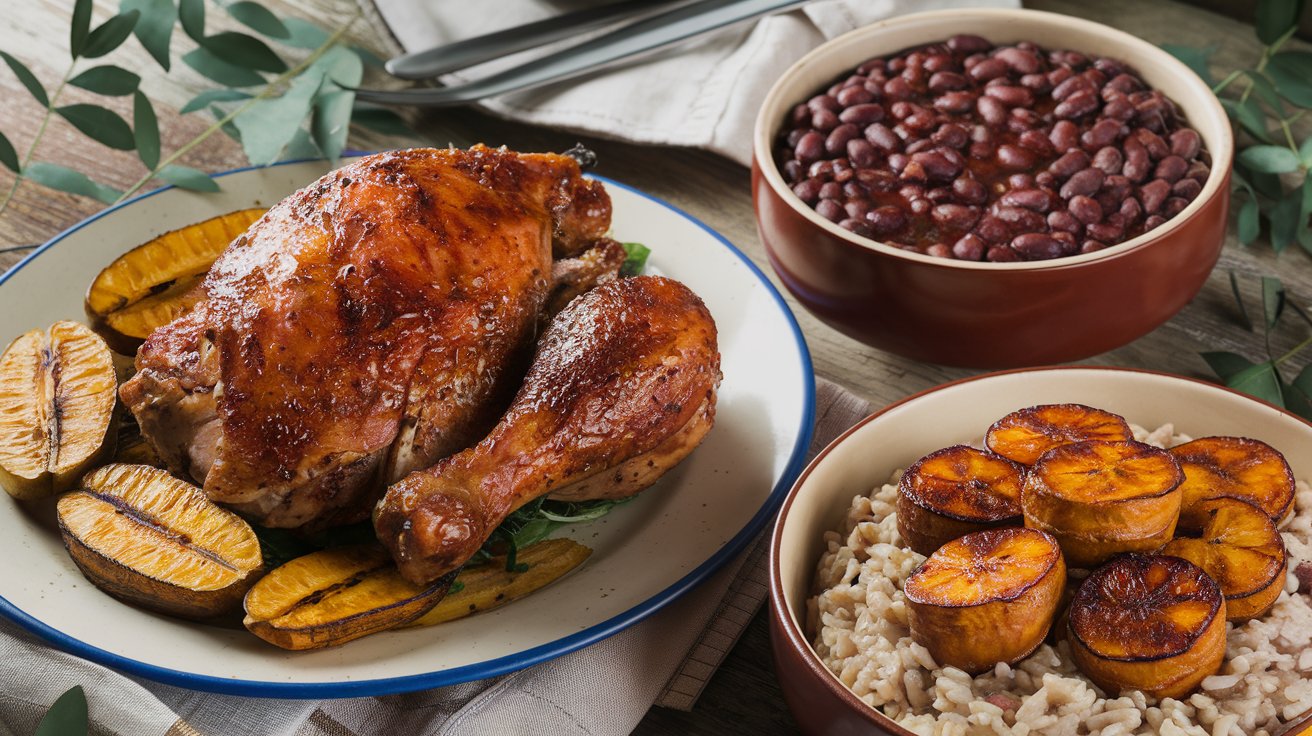
African cooks developed innovative ways to transform available ingredients into flavorful meals, creating dishes like callaloo, rice and peas, and jerk seasoning that remain top Caribbean dishes today. Recent 2026 culinary studies show that over 60% of traditional Caribbean cooking methods can be traced directly to West and Central African techniques. The African influence also introduced the concept of communal cooking and sharing meals, which became integral to Caribbean social culture and explains why Caribbean food recipes often serve large groups and emphasize bold, shareable flavors.
European Colonial Impact on Caribbean Cuisine
European colonization brought dramatic changes to Caribbean food culture through the introduction of new ingredients, cooking methods, and dietary preferences. Spanish colonizers introduced rice, beef, pork, and citrus fruits, while also establishing sugar plantations that would reshape the entire regional economy and food system.
Spanish Culinary Contributions
Spanish influence introduced Mediterranean flavors including sofrito, garlic, onions, and olive oil that became foundational to Cuban, Puerto Rican, and Dominican cuisines. The Spanish method of slow-cooking meats with aromatic vegetables created dishes like ropa vieja and pernil that remain staples on any authentic Caribbean food list. Spanish colonizers also brought citrus fruits, which led to the development of mojo sauces and marinades that define much of modern Caribbean cooking.
French Culinary Sophistication
French colonial influence, particularly strong in Haiti, Martinique, and Guadeloupe, introduced refined cooking techniques and sophisticated spice combinations. The French emphasis on sauces and careful seasoning elevated Caribbean cuisine beyond simple sustenance cooking. French techniques like roux-making and herb blending created the foundation for Creole cooking that makes Caribbean food unique compared to other tropical cuisines. The French also introduced wine and cheese, though these were adapted to local tastes and availability.
British and Dutch Colonial Influences
British colonial rule brought significant changes to Caribbean food culture through the introduction of afternoon tea traditions, curry spices, and formal dining customs. The British preference for hearty meat dishes influenced island cuisines in Jamaica, Barbados, and Trinidad, creating fusion dishes that combined European cooking methods with local ingredients.
British Culinary Traditions
British influence introduced traditional European vegetables like cabbage, carrots, and potatoes alongside cooking methods like roasting and baking. The British custom of Sunday roasts evolved into Caribbean versions featuring local spices and preparation methods. British colonial administrators also established formal dining protocols that influenced how Caribbean cuisine developed in restaurant settings, creating the structured meal presentations seen in modern Caribbean cuisine establishments throughout the United States.
Dutch Trading Network Impact
Dutch colonial presence in islands like Curaçao and Aruba introduced international trading connections that brought Asian spices, Indonesian cooking techniques, and global food preservation methods. The Dutch emphasis on trade created cosmopolitan food cultures on their islands, making them early examples of international fusion cuisine. Dutch influence also introduced cheese-making and beer brewing, though these were adapted to tropical conditions and local tastes.
Asian Immigration: The Final Layer of Complexity
The arrival of Asian immigrants in the 19th and early 20th centuries added the final major influence to Caribbean cuisine history. Chinese immigrants brought stir-frying techniques, soy sauce, and vegetable-forward cooking methods that created Indo-Caribbean fusion dishes. Indian and Pakistani workers introduced curry powders, chutneys, and vegetarian cooking traditions that became integral to Trinidad and Guyana’s food cultures.
Asian culinary techniques introduced new cooking methods including steaming, quick frying, and complex spice blending that enhanced existing Caribbean flavors. The Asian emphasis on balancing sweet, sour, salty, and spicy tastes perfectly complemented existing African and European influences. Recent 2026 demographic studies show that Asian-influenced dishes now comprise approximately 25% of popular Caribbean restaurant menus in major US cities, demonstrating the lasting impact of this cultural fusion on modern Caribbean cuisine.
Modern Caribbean Cuisine in the United States
Contemporary Caribbean cuisine in the United States represents the culmination of centuries of cultural blending, adapted to modern tastes and dietary preferences. Caribbean food trucks, upscale restaurants, and home cooks continue evolving traditional recipes while maintaining authentic flavors that define this unique culinary tradition. The 2026 US food service industry reports show Caribbean cuisine growing at 15% annually, making it one of the fastest-expanding ethnic food categories.
Modern Caribbean food culture in America emphasizes healthy, flavorful cooking that appeals to diverse audiences while preserving traditional techniques and ingredient combinations. Contemporary chefs are creating innovative dishes that honor historical influences while incorporating current nutritional knowledge and cooking technologies. The result is a dynamic cuisine that continues evolving while maintaining the essential characteristics that make Caribbean food unique and appealing to American palates seeking bold, authentic flavors.
Signature Ingredients That Define Caribbean Cuisine
Understanding what makes Caribbean cuisine unique requires examining the signature ingredients that appear consistently across different island traditions. Scotch bonnet peppers, allspice, coconut, plantains, and various tropical fruits create the flavor profile that distinguishes Caribbean cooking from other world cuisines. These ingredients, combined with specific cooking techniques, create the bold, complex tastes that define authentic Caribbean dishes.
The Caribbean food recipes that have gained popularity in the United States typically feature these signature ingredients in various combinations, creating dishes that are both familiar and exotic to American palates. Jerk seasoning, curry powder blends, and tropical fruit salsas have become mainstream ingredients in US kitchens, demonstrating how Caribbean culinary influence continues expanding beyond traditional ethnic enclaves into general American food culture.
Regional Variations Across Caribbean Islands
Each Caribbean island developed distinct culinary traditions based on their specific colonial history, available ingredients, and cultural influences. Cuban cuisine emphasizes Spanish flavors with garlic and citrus, while Jamaican food features bold spices and African-influenced cooking methods. Puerto Rican cuisine combines Spanish and Taíno influences, and Trinidad’s food culture reflects strong Indian and African fusion.
These regional differences create a diverse landscape of Caribbean cuisine that offers something for every palate. The variety explains why Caribbean food has become so popular in the United States, where immigrants from different islands have established restaurants and food businesses that showcase their unique culinary traditions. Understanding these regional variations helps explain why any comprehensive 50 Caribbean foods list includes such diverse dishes and cooking styles.
Related video about history of caribbean cuisine explained
This video complements the article information with a practical visual demonstration.
Frequently Asked Questions
What are the four main influences on Caribbean cuisine?
The four main influences on Caribbean cuisine are indigenous Taíno traditions, African culinary practices brought by enslaved people, European colonial cooking methods (primarily Spanish, French, and British), and Asian immigrant contributions (mainly Chinese and Indian). These influences blended over centuries to create the unique fusion that characterizes modern Caribbean food culture.
What food originated in the Caribbean?
Foods that originated in the Caribbean include jerk seasoning, callaloo, rice and peas, curry goat, doubles, and various rum-based preparations. Many tropical fruits like soursop and guinep are also indigenous to the region. The barbecue cooking method (barbacoa) originated with the indigenous Taíno people of the Caribbean.
What makes Caribbean cuisine unique compared to other tropical cuisines?
Caribbean cuisine is unique due to its complex cultural fusion combining indigenous, African, European, and Asian influences in one cohesive culinary tradition. The use of specific spice combinations like jerk seasoning, the emphasis on bold flavors balanced with tropical fruits, and cooking techniques that maximize flavor with minimal resources distinguish it from other tropical cuisines.
How has Caribbean cuisine evolved in the United States?
Caribbean cuisine in the United States has evolved through adaptation to local ingredients and American tastes while maintaining authentic flavors. Modern Caribbean-American cuisine features healthier preparation methods, fusion with other ethnic cuisines, and innovative presentations that appeal to diverse American audiences. Food trucks and upscale restaurants have helped popularize Caribbean dishes nationwide.
What are the most popular Caribbean dishes in America today?
The most popular Caribbean dishes in America include jerk chicken, curry goat, rice and peas, plantains, roti, oxtail stew, and various tropical fruit preparations. These dishes have gained mainstream acceptance and are now available in many non-Caribbean restaurants across the United States, demonstrating the growing influence of Caribbean culinary traditions.
| Cultural Influence | Key Contributions | Modern Impact |
|---|---|---|
| Indigenous Taíno | Cassava, barbacoa, tropical fruits | Foundation of grilling techniques |
| African Heritage | One-pot cooking, spice blending, okra | Bold flavors and communal dining |
| European Colonial | Rice, citrus, refined techniques | Structured meal presentations |
| Asian Immigration | Curry spices, stir-frying, balance | Complex flavor combinations |