Callaloo is a nutritious leafy green vegetable widely consumed throughout the Caribbean, particularly in Jamaica, Trinidad, and other West Indian islands. This versatile plant, scientifically known as Amaranthus viridis, serves as both a standalone dish and ingredient in various Caribbean recipes. Learning how to cook callaloo opens doors to exploring authentic Caribbean cuisine while enjoying significant health benefits including high iron content, vitamins, and minerals essential for optimal nutrition.
Understanding Callaloo: The Caribbean Superfood
Callaloo plant belongs to the amaranth family and grows abundantly across tropical regions. In 2026, nutritional studies confirm that callaloo contains more iron per serving than spinach, making it exceptionally valuable for addressing anemia. The callaloo vegetable features broad, green leaves with a slightly earthy flavor similar to spinach but with a more robust taste profile. Fresh callaloo is preferred over canned varieties, though both options remain widely available in United States Caribbean grocery stores.
The plant’s popularity extends beyond its nutritional value. Caribbean communities have cultivated callaloo for generations, passing down traditional cooking methods that preserve both flavor and nutrients. In Jamaica, callaloo often appears alongside ackee and saltfish as part of the national breakfast, while Trinidad incorporates it into callaloo soup with coconut milk and various seasonings.
Callaloo vs Other Leafy Greens: Key Differences
Many Americans wonder about the relationship between callaloo and spinach or collard greens. While these vegetables share similar preparation methods, significant differences exist in taste, texture, and nutritional content. Callaloo provides a more robust flavor than spinach, with leaves that maintain structure better during cooking. Unlike collard greens, which require longer cooking times, callaloo cooks quickly while retaining vibrant color and essential nutrients.
The iron content in callaloo surpasses both spinach and kale, making it particularly beneficial for individuals managing iron deficiency. Recent 2026 nutritional analyses show that one cup of cooked callaloo contains approximately 5.2mg of iron, compared to 3.6mg in equivalent portions of cooked spinach. This makes callaloo an excellent choice for vegetarians and individuals seeking plant-based iron sources.
Health Benefits of Callaloo
Jamaican callaloo offers remarkable health benefits that make it a valuable addition to any diet. The high iron content effectively combats anemia, while abundant vitamin A supports eye health and immune function. Callaloo also provides significant amounts of vitamin C, folate, and calcium, contributing to overall wellness and bone health.
Research conducted in 2026 demonstrates that regular callaloo consumption may help regulate blood sugar levels due to its fiber content and low glycemic index. The vegetable’s antioxidant properties combat free radicals, potentially reducing inflammation and supporting cardiovascular health. Additionally, the high folate content makes callaloo particularly beneficial for pregnant women, supporting proper fetal development.
Preparing Fresh Callaloo for Cooking
Proper preparation ensures optimal flavor and safety when cooking fresh callaloo. Begin by thoroughly washing the leaves under cold running water, removing any dirt or debris. Examine each leaf carefully, discarding any yellowed or damaged portions. The stems of young callaloo plants are edible and nutritious, while older plants may require stem removal due to toughness.
After washing, shake excess water from the leaves and chop callaloo into manageable pieces, typically 2-3 inch segments. Some cooks prefer keeping leaves whole for certain preparations, while others chop finely for quicker cooking. Store prepared callaloo in the refrigerator for up to two days, though immediate use ensures maximum nutritional value and flavor.
Basic Callaloo Cooking Methods
The most fundamental approach to cooking callaloo involves simple sautéing with minimal ingredients. Heat one tablespoon of coconut oil or vegetable oil in a large skillet over medium heat. Add minced garlic and onions, cooking until fragrant, approximately 2-3 minutes. Gradually add prepared callaloo leaves, stirring frequently to ensure even cooking and prevent burning.
Season with salt, black pepper, and traditional Caribbean spices like thyme or scotch bonnet pepper for authentic flavor. The callaloo cooking time typically ranges from 5-8 minutes, depending on leaf thickness and desired tenderness. Overcooking results in mushy texture and nutrient loss, so monitor carefully and remove from heat when leaves appear wilted but still vibrant green.
Easy Callaloo Recipe for Beginners
This easy callaloo recipe requires minimal ingredients while delivering authentic Caribbean flavors. Gather 2 pounds fresh callaloo (or 2 cans if fresh unavailable), 1 medium onion diced, 3 garlic cloves minced, 2 tablespoons coconut oil, 1 teaspoon dried thyme, salt and pepper to taste, and optional scotch bonnet pepper for heat.
Heat coconut oil in a large pot over medium heat. Sauté onions until translucent, approximately 4-5 minutes. Add garlic and cook for additional minute until fragrant. Gradually add prepared callaloo leaves, stirring constantly to prevent sticking. Season with thyme, salt, and pepper. Cover and simmer for 8-10 minutes, stirring occasionally. Serve immediately as a side dish or main course with rice and beans.
Jamaican-Style Callaloo with Coconut Milk
Traditional Jamaican callaloo recipe often incorporates coconut milk for rich, creamy texture and enhanced flavor. This preparation method represents authentic Caribbean cooking and remains popular throughout the United States Caribbean diaspora. The coconut milk adds healthy fats while complementing the earthy callaloo flavor profile.
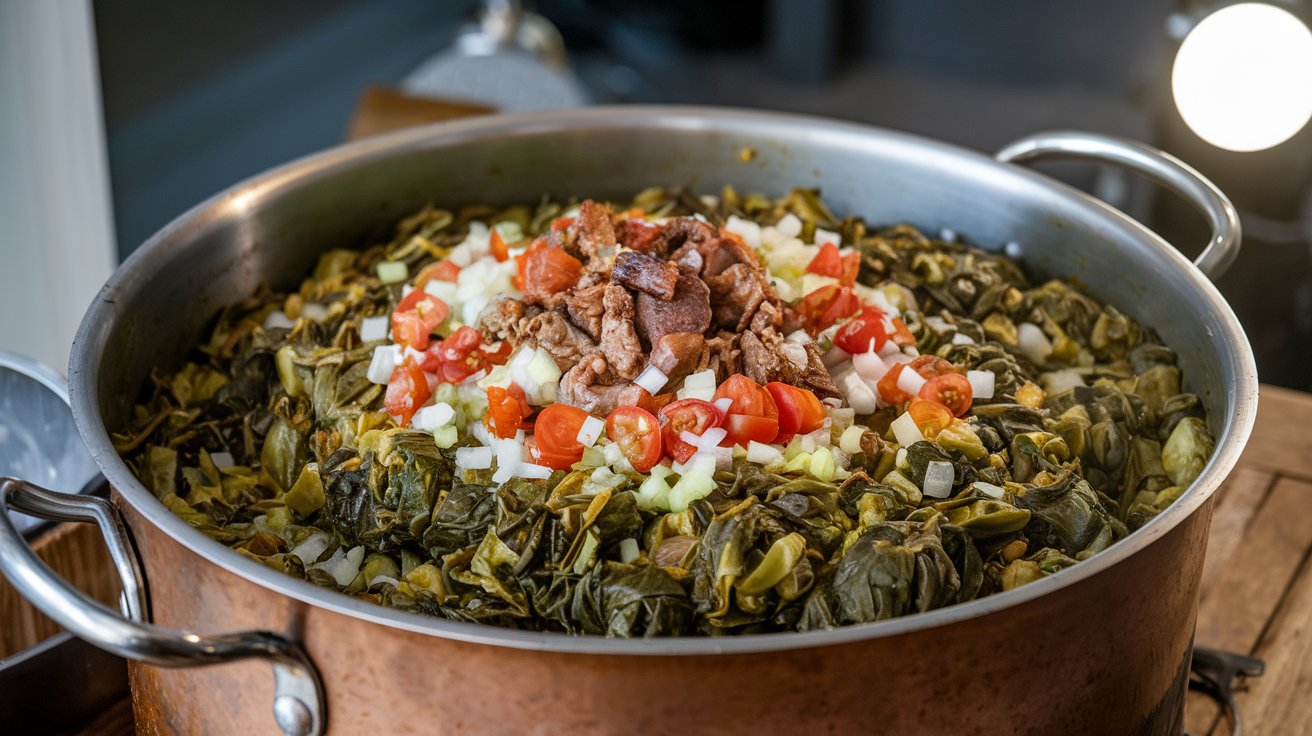
Combine sautéed callaloo with 1 cup coconut milk, allowing the mixture to simmer gently for 10-15 minutes. The coconut milk creates a creamy consistency while infusing the dish with tropical flavors. Some variations include saltfish or crab for protein, transforming simple callaloo into a complete meal. This preparation method works particularly well for entertaining or family gatherings.
Working with Canned Callaloo
When fresh callaloo remains unavailable, canned callaloo provides a convenient alternative for Caribbean cooking. Major brands like Grace and Goya offer quality canned callaloo in United States supermarkets, particularly in areas with significant Caribbean populations. Canned varieties require different preparation techniques compared to fresh callaloo.
Drain and rinse canned callaloo before cooking to remove excess sodium and preserve flavor. The pre-cooked nature of canned callaloo reduces cooking time significantly, requiring only 3-5 minutes of heating with seasonings. While texture differs slightly from fresh varieties, canned callaloo maintains nutritional value and authentic taste when prepared properly with traditional Caribbean seasonings and cooking methods.
Best Callaloo Recipe Variations
The best callaloo recipe depends on personal preferences and available ingredients, but several variations consistently deliver exceptional results. Trinidadian callaloo soup combines the greens with okra, coconut milk, and sometimes crab or saltfish for hearty, nutritious meal. Jamaican-style preparations often feature scotch bonnet peppers and thyme for authentic spicing.
Modern fusion approaches incorporate callaloo into pasta dishes, smoothies, and salads, expanding its culinary applications beyond traditional Caribbean preparations. Some innovative cooks create callaloo pesto or add it to omelets and frittatas. These contemporary adaptations maintain nutritional benefits while appealing to diverse palates and dietary preferences throughout the United States.
Pairing Callaloo with Other Dishes
Caribbean callaloo pairs excellently with various traditional and contemporary dishes. Classic combinations include callaloo with rice and peas, fried plantains, and festival (Caribbean fried bread). The earthy flavors complement protein-rich dishes like jerk chicken, curry goat, or fried fish, creating balanced, nutritious meals.
For health-conscious diners, callaloo works well alongside quinoa, brown rice, or other whole grains. The vegetable’s high iron content makes it particularly valuable when paired with vitamin C-rich foods like tomatoes or citrus fruits, which enhance iron absorption. These strategic pairings maximize nutritional benefits while creating satisfying, flavorful meal combinations.
Tips for Growing Callaloo in the United States
Growing callaloo plants in home gardens provides fresh, organic produce while connecting with Caribbean culinary traditions. Callaloo thrives in warm climates, making it suitable for cultivation in southern United States regions including Florida, Texas, and California. The plant prefers well-drained soil with pH levels between 6.0-7.0 and requires consistent moisture without waterlogging.
Seeds germinate quickly in temperatures above 70°F, with harvest possible within 6-8 weeks of planting. Regular harvesting encourages continued growth, allowing multiple harvests throughout the growing season. Northern gardeners can successfully grow callaloo in containers or greenhouses, ensuring year-round access to fresh leaves for authentic Caribbean cooking.
Related video about what is callaloo and how to cook it
This video complements the article information with a practical visual demonstration.
Key Questions and Answers
How do you prepare callaloo to eat?
To prepare callaloo, thoroughly wash fresh leaves under cold water, remove any damaged portions, and chop into 2-3 inch pieces. Sauté with garlic, onions, and seasonings in coconut oil for 5-8 minutes until wilted but still vibrant green. Season with salt, pepper, and thyme for authentic Caribbean flavor.
What is callaloo called in English?
Callaloo is known in English as amaranth greens or pigweed, though the Caribbean term ‘callaloo’ remains most commonly used. The scientific name is Amaranthus viridis. Some regions also refer to it as African spinach or Caribbean spinach due to similar culinary applications.
Is Jamaican callaloo healthy to eat?
Yes, Jamaican callaloo is extremely healthy, containing high levels of iron (5.2mg per cup), vitamin A, vitamin C, folate, and calcium. It provides more iron than spinach, making it excellent for preventing anemia. The vegetable also offers antioxidants and fiber for overall health benefits.
Is callaloo good for anemia?
Callaloo is excellent for treating anemia due to its exceptional iron content. One cup of cooked callaloo provides approximately 5.2mg of iron, significantly higher than spinach. The vitamin C content also enhances iron absorption, making it particularly effective for individuals with iron-deficiency anemia.
Can you eat callaloo raw?
While callaloo can be eaten raw in small quantities, cooking is recommended for better digestibility and nutrient absorption. Raw callaloo works well in smoothies or salads when young and tender. However, cooking eliminates potential oxalates and makes nutrients more bioavailable.
How long does cooked callaloo last in the refrigerator?
Cooked callaloo lasts 3-4 days in the refrigerator when stored in airtight containers. For best quality and food safety, consume within 2-3 days. Cooked callaloo can also be frozen for up to 6 months, though texture may change slightly upon thawing.
| Callaloo Aspect | Key Details | Health Benefit |
|---|---|---|
| Iron Content | 5.2mg per cup cooked | Prevents anemia, boosts energy |
| Cooking Time | 5-8 minutes fresh, 3-5 minutes canned | Preserves nutrients and flavor |
| Vitamin Content | High in A, C, folate, calcium | Supports immune system, bone health |
| Availability | Fresh and canned in US stores | Year-round access to nutrition |