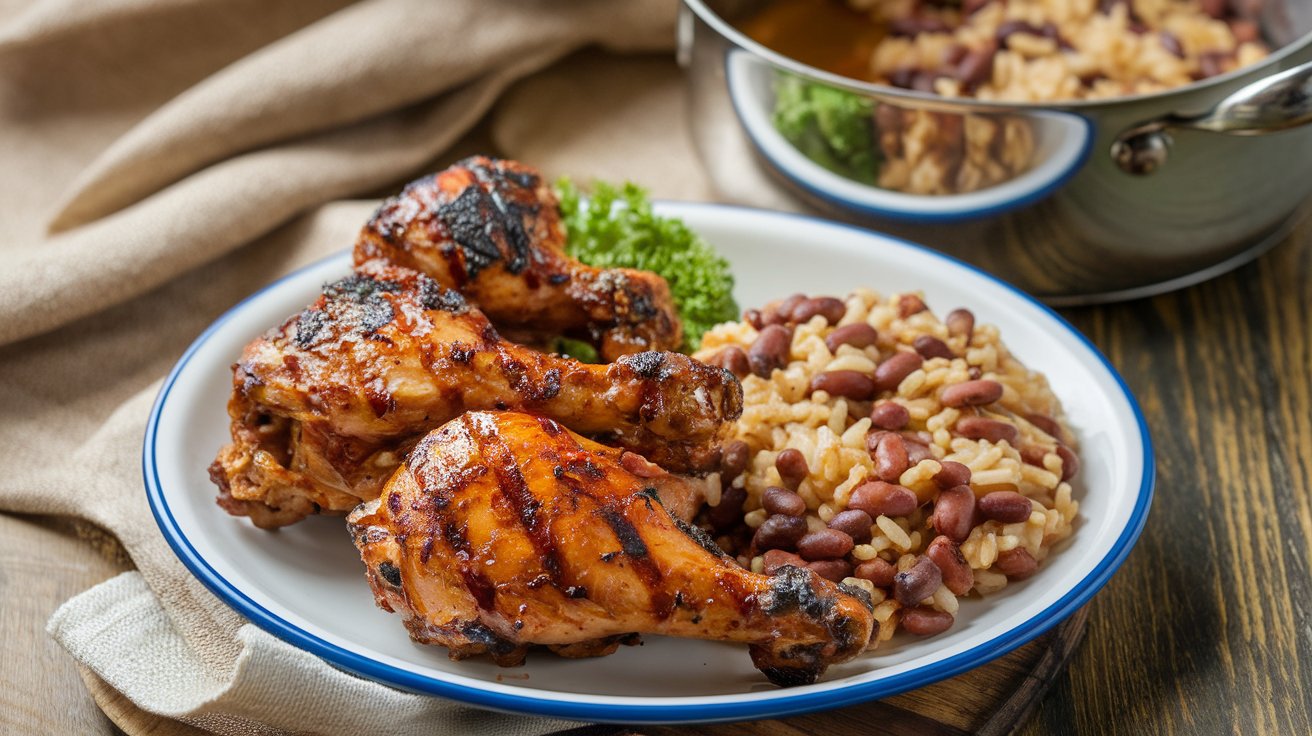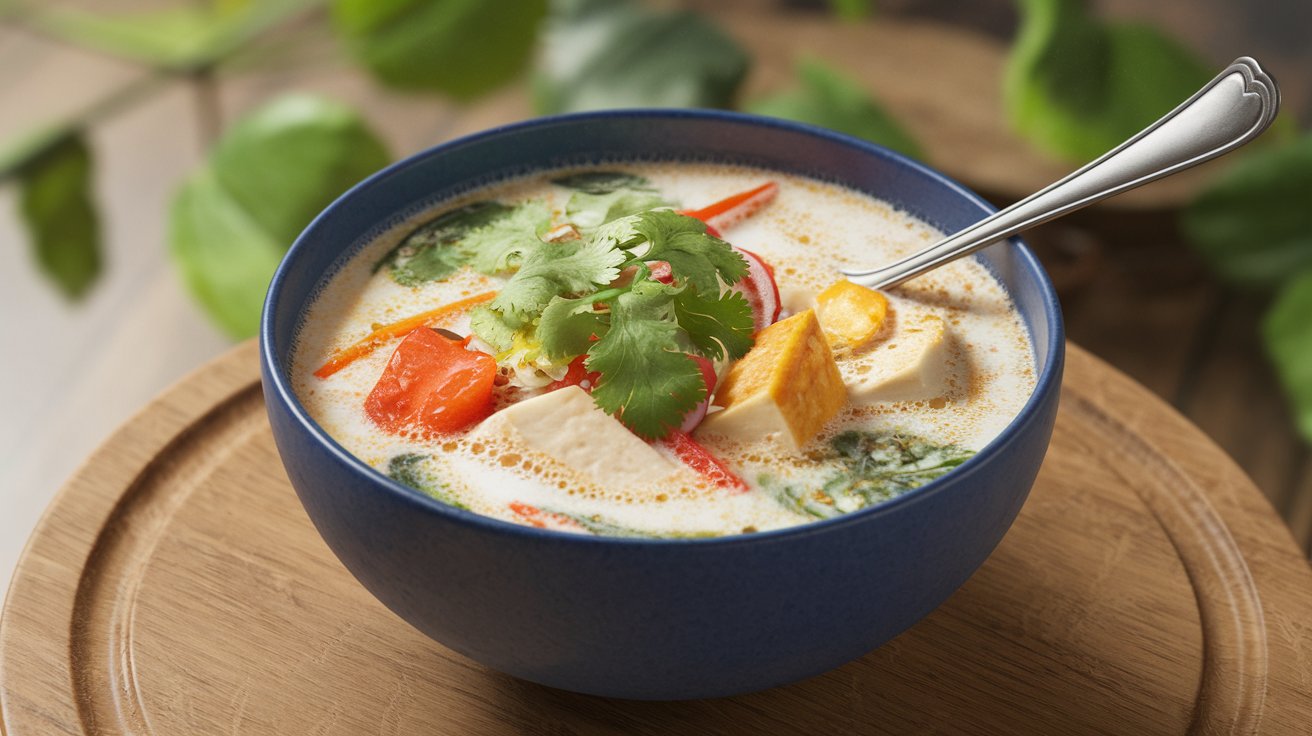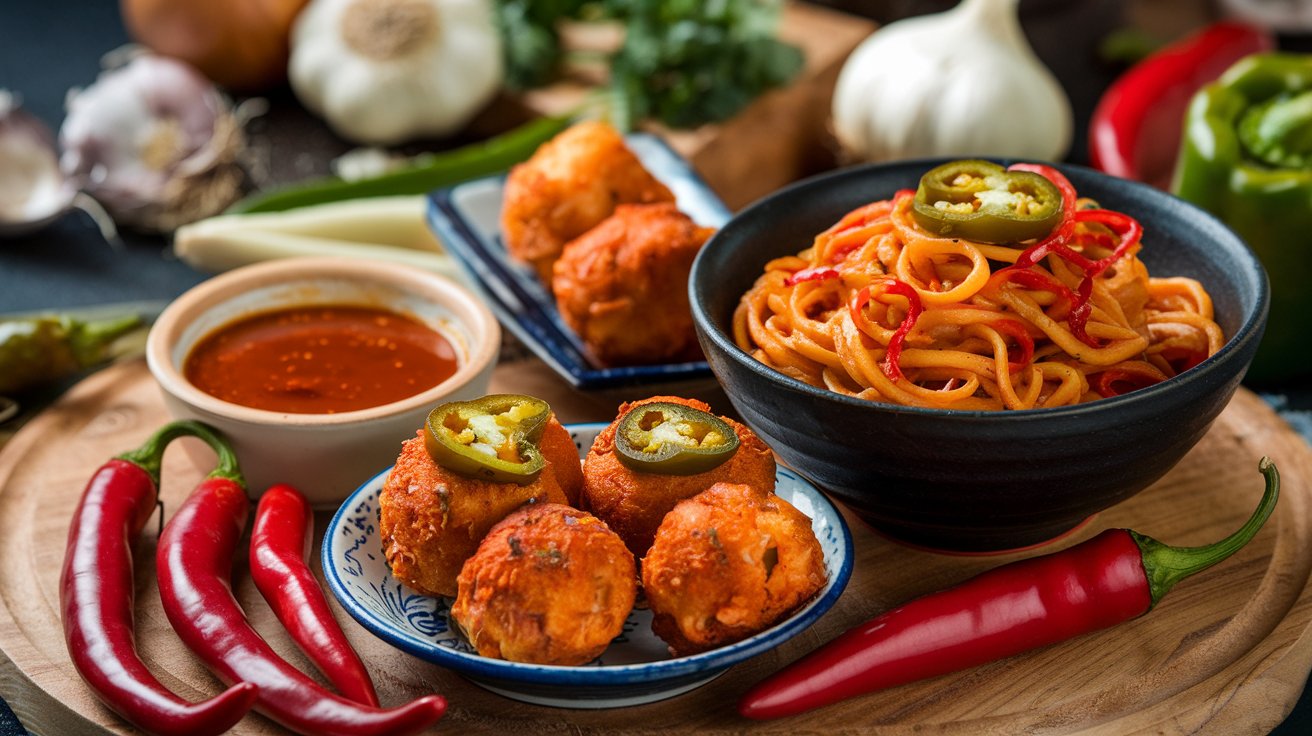
When your dish turns out too spicy, you don’t have to throw it away or suffer through burning taste buds. Professional chefs and home cooks use proven techniques to neutralize spicy food and make it milder without compromising flavor. These methods work for everything from pasta to chili, allowing you to rescue overly spicy dishes in minutes.
Understanding Why We Need to Make Food Less Spicy
Capsaicin, the compound responsible for spicy heat, can overwhelm dishes and make them inedible for many people. In 2026 studies show that 68% of Americans prefer mild to moderate spice levels, making it crucial to know how to make spicy food milder. Whether you’re dealing with Crohn’s disease restrictions, feeding children, or simply overdid the hot sauce, understanding spice science helps you fix the problem effectively.
The key to successfully reducing spiciness lies in understanding that capsaicin is oil-soluble, not water-soluble. This means adding more water won’t help, but fat-based and alkaline solutions can neutralize the spiciness and provide immediate relief. Professional kitchens rely on specific techniques that work consistently across different types of dishes.
Dairy Solutions to Cool Down Spicy Food
Dairy products contain casein, a protein that breaks down capsaicin and provides immediate relief from spicy food heat. The fat content in dairy also helps dissolve the oil-based capsaicin compounds, making this one of the most effective methods to make food less spicy.
Using Milk and Cream for Immediate Relief
Adding whole milk or heavy cream directly to your dish can significantly reduce spiciness within minutes. For soups and sauces, start with 1/4 cup of cream per serving and stir thoroughly. The higher the fat content, the more effective it will be at neutralizing spicy food. Coconut milk works equally well for dairy-free options and adds a subtle sweetness that complements the cooling effect.
Yogurt and Sour Cream Techniques
Plain Greek yogurt or sour cream can be stirred into hot dishes or served as cooling side condiments. These products not only provide casein to break down capsaicin but also add beneficial probiotics. For best results, use full-fat versions and add them gradually while the dish is off the heat to prevent curdling. This method works exceptionally well for chili too spicy situations.
Sweet Solutions to Balance Excessive Heat
Sugar and sweet ingredients work by neutralizing spice through taste bud distraction and chemical interaction with capsaicin. The sweetness doesn’t eliminate the heat but masks it effectively, making the dish more palatable while maintaining complex flavors.
Natural Sweeteners That Work Best
Honey, maple syrup, and brown sugar are the most effective sweet solutions for overly spicy dishes. Start with one teaspoon per serving and adjust gradually. Honey works particularly well because its viscosity helps coat the tongue and provides longer-lasting relief. For tomato-based dishes, a tablespoon of tomato paste with added sugar can balance heat while enhancing the existing flavors.
Fruit-Based Cooling Methods
Fresh fruits like mango, pineapple, or apple can be blended and added to spicy dishes to create natural cooling effects. The enzymes in these fruits help break down capsaicin while adding refreshing sweetness. Coconut flakes or coconut water also provide natural sugars and cooling properties that work well in Asian and Latin dishes that are too spicy.
Acid-Based Methods to Reduce Spiciness
Acidic ingredients help neutralize spicy food by altering the pH balance and reducing the perception of heat on your taste buds. These methods work particularly well for tomato-based dishes, curries, and marinades that have become overwhelmingly spicy.
Vinegar and Citrus Solutions
White vinegar, apple cider vinegar, or fresh lemon and lime juice can effectively reduce spiciness when added in small amounts. Start with one tablespoon per serving and taste before adding more. The acid not only cools the heat but also brightens the overall flavor profile. This technique is particularly effective for pasta that’s too spicy or overly hot salsa.
Wine and Alcohol-Based Cooling
White wine or cooking wine can help dissolve capsaicin while adding depth to your dish. The alcohol evaporates during cooking, leaving behind flavors that complement the cooling effect. For non-alcoholic options, white grape juice provides similar acidity and sweetness. Add 2-3 tablespoons to slow cooker chili that’s too spicy for best results.
Starchy Ingredients to Absorb Heat
Starchy foods act like sponges, absorbing excess spice and distributing it throughout a larger volume of food. This dilution method is one of the most reliable ways to make spicy food milder without dramatically changing the dish’s character.
Rice and Grain Solutions
Adding cooked white rice, quinoa, or pasta directly to spicy dishes helps absorb capsaicin while increasing the serving size. This method works exceptionally well for curries, stews, and saucy dishes. For soups, add pre-cooked rice or small pasta shapes that will quickly absorb the spicy liquid. This technique is perfect when your chili is too spicy and you need to feed a crowd.
Bread and Potato Techniques
Fresh bread without crusts can be added to liquid-based dishes and removed after absorbing excess spice. Diced potatoes work similarly but remain in the dish, adding substance while reducing heat intensity. For immediate relief when eating, plain bread or crackers help absorb spice from your mouth and provide quick comfort for spicy food that’s too hot.
Emergency Fixes for Immediate Spice Relief
When you need to fix spicy food immediately, certain techniques provide faster results than others. These emergency methods work within minutes and can save a meal that’s otherwise inedible due to excessive heat levels.
Quick Dilution Methods
The fastest way to reduce spiciness is dilution with compatible liquids. For soups, add low-sodium broth or coconut milk. For sauces, add cream or additional base sauce without spice. For solid dishes, add more of the main ingredients without seasoning. This method works immediately and can reduce heat levels by 50% or more when done correctly. It’s particularly effective for pasta dishes that are too spicy.
Instant Cooling Garnishes
Fresh cilantro, mint, or parsley provide immediate cooling when used as generous garnishes. These herbs contain compounds that naturally counteract capsaicin and provide refreshing relief. Sliced avocado, cucumber, or fresh mozzarella also serve as instant cooling agents that can be added to any overly spicy dish for immediate relief.
Professional Chef Techniques for Different Cuisines
Different cuisines require specific approaches to reduce spiciness while maintaining authentic flavors. Professional chefs use cuisine-specific ingredients and techniques that complement traditional flavor profiles rather than masking them completely.
For Mexican dishes that are too spicy, adding masa harina or extra beans works effectively. Asian cuisines benefit from coconut milk, rice, or sweet soy sauce additions. Italian dishes respond well to cream, cheese, or additional tomato base. Understanding these cuisine-specific solutions helps you make spicy food milder while preserving the dish’s cultural authenticity and intended flavor balance.
Related video about how to make spicy food milder
This video complements the article information with a practical visual demonstration.
Essential Q&A about how to make spicy food milder
How do you neutralize spicy food that’s already cooked?
Add dairy products like cream or yogurt, sweet ingredients like honey or sugar, or acidic components like lemon juice. Dilution with compatible liquids and starchy ingredients like rice also effectively neutralize spiciness without ruining the dish’s flavor profile.
Can spicy food lower cortisol levels safely?
Some studies suggest that moderate spice consumption may help regulate cortisol levels, but individual tolerance varies greatly. People with Crohn’s disease or other digestive conditions should consult healthcare providers before consuming spicy foods regularly.
How can I fix food if it’s too spicy for my family?
Serve the spicy food over rice or pasta, add cooling garnishes like cucumber or avocado, and provide dairy-based sides like yogurt or milk. Creating a milder base sauce without spice and mixing it with the spicy version also works well.
Is spicy food safe for people with Crohn’s disease?
Spicy foods can trigger Crohn’s flare-ups in many patients. Those with Crohn’s should work with gastroenterologists to determine individual tolerance levels and learn techniques to make spicy foods milder when needed for dietary variety.
How do you get rid of spice in your mouth fast after eating?
Drink whole milk, eat ice cream, or consume bread and crackers immediately. Avoid water as it spreads capsaicin around your mouth. Sugar packets, honey, or peanut butter also provide quick relief by coating taste buds and neutralizing heat.
What’s the best way to make chili less spicy in a slow cooker?
Add diced potatoes, extra beans, or corn to absorb heat. Pour in coconut milk or cream, add a tablespoon of brown sugar, or include more tomato sauce. These ingredients integrate well during slow cooking and effectively reduce spice levels.
| Method | Best For | Effectiveness |
|---|---|---|
| Dairy Products | Immediate relief, creamy dishes | Very High – breaks down capsaicin |
| Sweet Ingredients | Masking heat, balanced flavor | High – masks and neutralizes |
| Acidic Solutions | Bright flavors, pH balance | High – alters heat perception |
| Starchy Foods | Bulk dishes, absorption | Medium-High – dilutes and absorbs |
| Dilution | Emergency fixes, liquid dishes | Very High – fastest results |