When you can’t find scotch bonnet peppers at your local grocery store, finding the right substitute can make or break your recipe. These fiery Caribbean peppers pack 100,000-350,000 Scoville heat units and deliver a distinctive fruity flavor that’s essential for authentic jerk chicken, rice and peas, and curry dishes. The closest substitute is the habanero pepper, which shares similar heat levels and tropical taste profiles.
Understanding Scotch Bonnet Pepper Characteristics
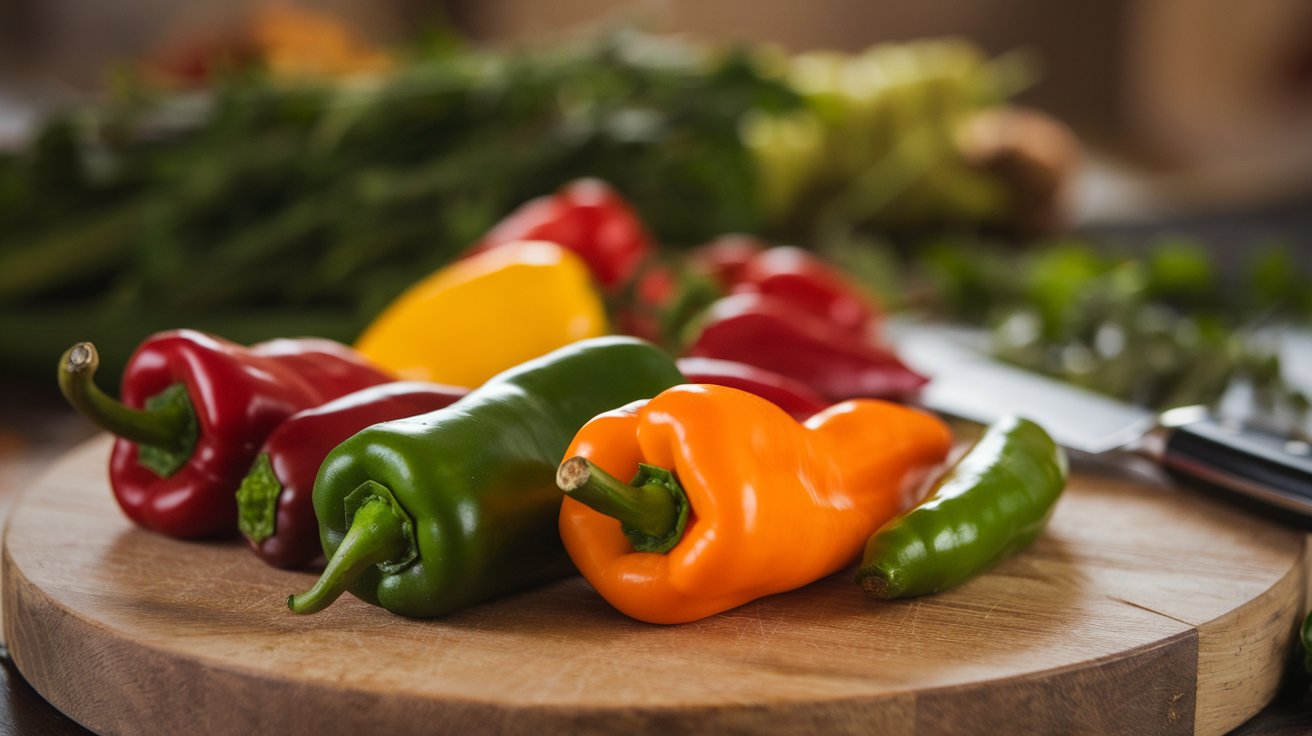
Scotch bonnet peppers are small, wrinkled peppers that resemble a Scottish tam o’shanter hat, hence their name. These Caribbean chili peppers typically measure 1-2 inches in length and range from green to bright orange, red, or yellow when ripe. Their heat level falls between 100,000-350,000 Scoville Heat Units, making them significantly hotter than jalapeños but comparable to habaneros.
What sets scotch bonnets apart is their unique fruity flavor profile that combines intense heat with sweet, tropical notes. This distinctive taste is crucial for authentic Caribbean cuisine, particularly in Jamaican cooking where these peppers are considered irreplaceable. The pepper’s flesh is thin but packed with capsaicin, delivering both immediate heat and lingering warmth that builds gradually.
Best Scotch Bonnet Pepper Substitutes by Heat Level
Choosing the right scotch bonnet substitute depends on your heat tolerance and recipe requirements. In 2026, American grocery stores typically stock several viable alternatives that can replicate both the heat and flavor characteristics of authentic scotch bonnets.
Habanero Peppers: The Closest Match
Habanero peppers serve as the best scotch bonnet substitute for most recipes, sharing nearly identical heat levels at 100,000-350,000 SHU. These peppers offer a similar fruity flavor with citrusy undertones that complement Caribbean dishes perfectly. Habaneros are widely available in US supermarkets year-round, making them the most practical choice for home cooks. Use a 1:1 ratio when substituting habaneros for scotch bonnets in any recipe.
Cayenne Peppers: For Intense Heat
Cayenne peppers provide comparable heat levels at 30,000-50,000 SHU, though they lack the fruity flavor characteristic of scotch bonnets. These thin, red peppers work best in curry dishes and hot sauces where heat takes priority over specific flavor notes. Use 2-3 cayenne peppers to replace one scotch bonnet, and consider adding a pinch of fruit juice or zest to mimic the tropical sweetness.
Mild Substitutes for Heat-Sensitive Palates
For those seeking the scotch bonnet flavor without overwhelming heat, several milder alternatives can provide similar taste profiles while keeping the spice level manageable for American palates.
Jalapeño Peppers: Widely Available Option
Jalapeño peppers offer a mild substitute for scotch bonnet pepper at only 2,500-8,000 SHU, making them perfect for families with varying heat preferences. While lacking the fruity notes, jalapeños provide earthy, grassy flavors that work well in rice and peas or mild curry dishes. Use 2-3 jalapeños per scotch bonnet and add a touch of pineapple juice or mango puree to approximate the tropical sweetness.
Serrano Peppers: Medium Heat Alternative
Serrano peppers bridge the gap between jalapeños and scotch bonnets at 10,000-25,000 SHU. These green or red peppers provide more heat than jalapeños while maintaining accessibility in most US grocery stores. Serrano peppers work exceptionally well in salsas and marinades where you need moderate heat with bright, fresh pepper flavor.
Recipe-Specific Scotch Bonnet Substitutions
Different Caribbean dishes require specific approaches when substituting scotch bonnets to maintain authentic flavors and heat levels that complement the overall dish profile.
Scotch Bonnet Substitute for Jerk Chicken
For authentic jerk chicken, habanero peppers provide the best scotch bonnet substitute, maintaining the essential fruity heat that defines this Jamaican classic. Combine 2-3 habaneros with allspice, thyme, and garlic to create a marinade that closely mimics traditional jerk seasoning. If using milder peppers like jalapeños, increase the quantity to 4-5 peppers and add hot sauce to achieve proper heat levels.
Scotch Bonnet Substitute for Rice and Peas
Rice and peas requires a more subtle pepper presence, making serrano or jalapeño peppers excellent scotch bonnet alternatives. Use 1-2 whole serrano peppers or 2-3 jalapeños, removing them after cooking to infuse flavor without overwhelming heat. This approach maintains the traditional coconut rice flavor while providing gentle warmth that complements the kidney beans.
Heat Level Conversion Guidelines
Understanding Scoville Heat Unit conversions helps ensure your scotch bonnet substitute delivers appropriate spice levels for your intended dish and audience preferences.
When converting between pepper types, consider that scotch bonnets at 100,000-350,000 SHU require careful measurement. A single scotch bonnet equals approximately 10-40 jalapeño peppers in heat intensity, 4-14 serrano peppers, or 3-10 cayenne peppers. Always start with smaller quantities and adjust upward to prevent overwhelming heat that cannot be reversed.
Scotch Bonnet Seasoning Substitute Options
Commercial scotch bonnet seasoning substitute products have become increasingly available in American markets as Caribbean cuisine gains popularity. These blended seasonings typically combine dried pepper powders with complementary spices to replicate authentic scotch bonnet flavor profiles.
Popular brands like Grace, Walkerswood, and Island Spice offer pre-made jerk seasonings that incorporate scotch bonnet essence without requiring fresh peppers. These seasonings work exceptionally well for dry rubs, marinades, and cooking applications where fresh pepper texture isn’t essential. Use 1-2 teaspoons of seasoning blend per fresh scotch bonnet called for in recipes.
Regional Availability and Shopping Tips
Finding authentic scotch bonnet peppers in the United States varies significantly by region, with Caribbean communities in Florida, New York, and California offering the best selection. In 2026, major grocery chains like Whole Foods, Publix, and Walmart increasingly stock scotch bonnets in their international or produce sections.
For areas with limited fresh scotch bonnet availability, online retailers and specialty Caribbean markets provide reliable sources. Frozen scotch bonnets maintain much of their heat and flavor, making them viable substitutes when fresh options aren’t available. Many Caribbean grocery stores also carry scotch bonnet hot sauce and paste that can substitute for fresh peppers in cooked dishes.
Flavor Enhancement Techniques
When using scotch bonnet pepper alternatives, several techniques can help replicate the unique fruity-heat combination that makes these peppers special in Caribbean cuisine.
Adding small amounts of tropical fruit juices like mango, pineapple, or passion fruit to milder peppers helps approximate scotch bonnet’s natural sweetness. Combining different pepper varieties also works well – mix habaneros with a small amount of cayenne for complex heat, or blend jalapeños with a dash of hot sauce for accessible flavor. Roasting substitute peppers before use intensifies their natural sugars, creating deeper flavor profiles that better match scotch bonnet characteristics.
Related video about how to substitute scotch bonnet peppers
This video complements the article information with a practical visual demonstration.
Most asked questions about how to substitute scotch bonnet peppers
What is the closest thing to a scotch bonnet pepper?
Habanero peppers are the closest substitute to scotch bonnets, sharing similar heat levels (100,000-350,000 SHU) and fruity flavor profiles. Both peppers belong to the Capsicum chinense species and offer comparable tropical taste notes essential for Caribbean cuisine.
Can I use normal chilli instead of scotch bonnet?
Yes, you can use regular chili peppers as scotch bonnet substitutes, but adjust quantities based on heat levels. Jalapeños require 10-40 peppers per scotch bonnet, while cayenne needs 3-10 peppers. Add fruit juice to mimic scotch bonnet’s natural sweetness.
Can you replace scotch bonnet with jalapeno peppers?
Jalapeño peppers can replace scotch bonnets for mild heat applications, though you’ll need 10-40 jalapeños to match one scotch bonnet’s heat level. This substitution works best for family-friendly versions of Caribbean dishes where heat intensity needs reduction.
What tastes like scotch bonnet?
Habanero peppers taste most similar to scotch bonnets, offering fruity, tropical flavors with intense heat. Both peppers share citrusy undertones and natural sweetness that complement Caribbean spices like allspice, thyme, and garlic in traditional recipes.
How do I substitute scotch bonnet peppers in curry?
For curry dishes, use 1 habanero or 2-3 serrano peppers per scotch bonnet. Remove seeds for milder heat, or use whole peppers and remove them after cooking to infuse flavor without overwhelming spice. Cayenne powder also works at 1/2 teaspoon per pepper.
Can I use scotch bonnet seasoning instead of fresh peppers?
Scotch bonnet seasoning blends effectively substitute fresh peppers in marinades, rubs, and cooked dishes. Use 1-2 teaspoons of seasoning per fresh pepper. These commercial blends combine dried scotch bonnet with complementary spices for authentic Caribbean flavor profiles.
| Substitute Pepper | Heat Level (SHU) | Best Use Case |
|---|---|---|
| Habanero | 100,000-350,000 | Closest match for all Caribbean dishes |
| Serrano | 10,000-25,000 | Medium heat rice and peas |
| Jalapeño | 2,500-8,000 | Family-friendly mild versions |
| Cayenne | 30,000-50,000 | Hot sauces and curry dishes |